
Think you know everything about your favorite classic tunes? Behind those catchy melodies are some wildly unexpected tales of heartbreak, frustration, and sheer accident. Get ready to discover the surprising real-life stories behind these legendary anthems—read on to uncover the truth!
Go Your Own Way, 1976, Fleetwood Mac: Lindsey Buckingham's Bitter Response to His Painful Breakup With Bandmate Stevie Nicks
The recording sessions for this legendary album remain some of the most famously tense moments in music history, largely due to the emotional collapse between key members of the group. Lindsey Buckingham poured his immense frustration and heartbreak over his split from Stevie Nicks directly into this upbeat yet aggressive track. He allegedly wanted to express his lingering anger about their deteriorating relationship and the complex, exhausting dynamics of having to continue working together every single day.
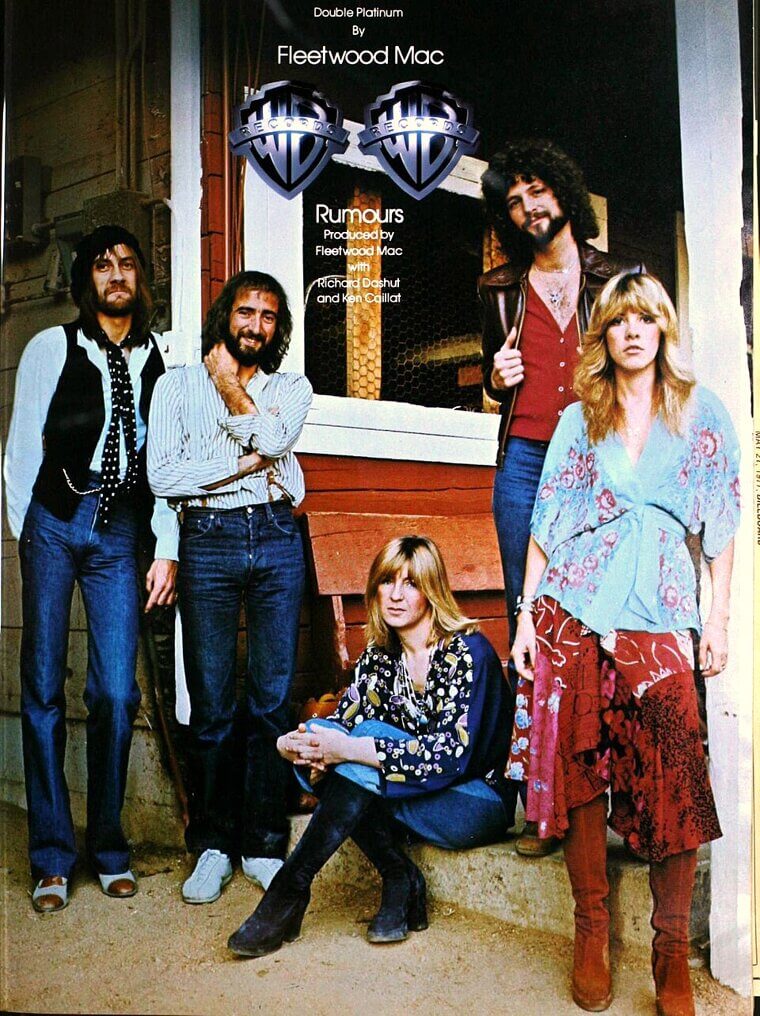
Nicks reportedly hated the lyrics, specifically the line about packing up, feeling it was a rather unfair characterization. Despite the internal friction, the song became a monumental hit that cemented their lasting legacy.
I Will Always Love You, 1974, Dolly Parton: A Heartfelt Farewell to a Longtime Professional Partner Rather Than a Romantic Lover
Many listeners naturally assume this classic ballad was penned for a dramatic romantic breakup, but its actual origins lie in a purely professional separation. Dolly Parton wrote the iconic track as a way to formally sever professional ties with her long-time mentor and television partner Porter Wagoner. She reportedly struggled to communicate her desire to launch a solo career, so she decided to express her immense gratitude and final goodbye through her songwriting instead.

Wagoner allegedly wept upon hearing the emotional tribute for the very 1st time. He agreed to let her move on, provided he could produce this specific record, launching her massive independent career.
Sweet Home Alabama, 1974, Lynyrd Skynyrd: A Direct Musical Retaliation Against Neil Young for His Critiques of the American South
This ubiquitous Southern rock anthem was explicitly crafted as a defensive response to 2 specific songs released by Neil Young, which highly criticized the history of the region. The band felt that Young was unfairly painting an entire region with a broad brush, prompting them to write a catchy tune that celebrated their local pride. They specifically name-dropped the famous folk singer in the lyrics to ensure their pointed message was not lost on anyone listening.
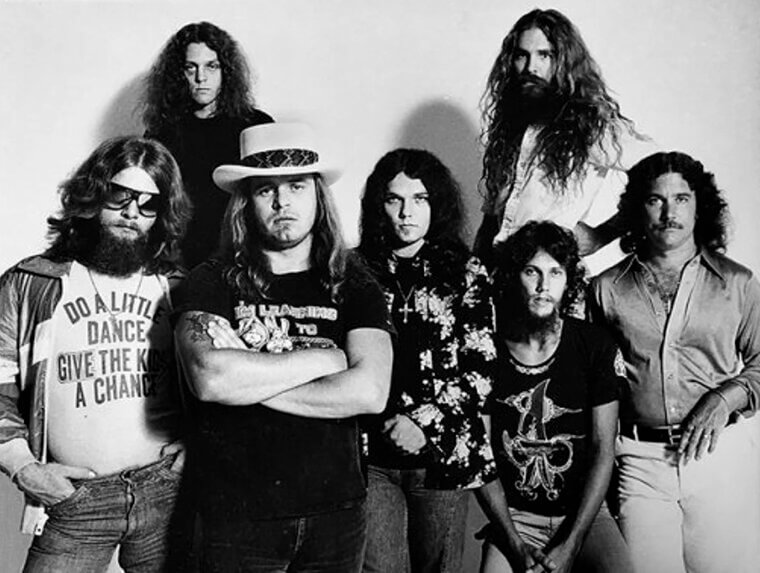
Despite the apparent lyrical feud, the musicians reportedly held immense mutual respect for 1 another behind the scenes. Young later allegedly expressed regret over his original lyrics, acknowledging the band's clever retort.
Hotel California, 1976, Eagles: A Metaphorical Exploration of the Excesses and Darker Side of the Los Angeles Music Industry
While the evocative lyrics paint a vivid picture of a mysterious and inescapable desert inn, the actual meaning dives much deeper into the cultural climate of the era. The writers intended the narrative to serve as a broad commentary on the hedonism, greed, and self-destruction that ran rampant throughout the California music scene during that decade. They reportedly wanted to capture the dizzying journey from hopeful innocence to cynical experience that many young artists faced.
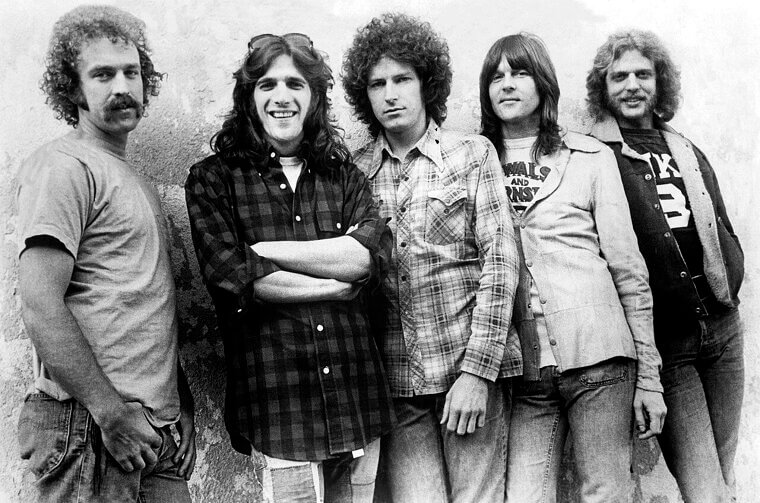
The iconic soaring guitar solos were meticulously planned to reflect this sense of chaotic entrapment. It remains a powerful cautionary tale about the glittering but dangerous illusions of sudden fame and immense wealth.
Every Breath You Take, 1983, The Police: A Deeply Misunderstood Track That Portrays Unhealthy Obsession Rather Than Romantic Devotion
Countless couples have mistakenly chosen this memorable hit for their wedding ceremonies, completely missing the rather unsettling narrative hidden just beneath the surface. Sting composed the track during a period of personal turmoil, focusing on the dark themes of surveillance, jealousy, and possessive behavior after a relationship ends. He reportedly intended the narrator to sound sinister and controlling, carefully watching every single move their former partner makes without their knowledge or consent.

The artist has allegedly expressed amusement and mild horror at how often the public misinterprets the chilling lyrics. It serves as a fascinating example of how a catchy melody can easily mask a remarkably dark underlying message.
Billie Jean, 1983, Michael Jackson: Inspired by the Terrifying Experiences With Obsessive Fans Who Made False Claims
The undeniable groove of this pop masterpiece hides a narrative rooted in the very real anxieties that accompany unparalleled global stardom. The lyrics were allegedly inspired by letters the artist received from various individuals who made baseless claims regarding paternity and personal relationships. He reportedly synthesized these disturbing encounters into a singular fictional character to express the paranoia and immense pressure of constantly being targeted by individuals seeking unearned attention or financial gain.

The producer initially wanted to change the title to avoid confusion with a famous tennis player. However, the artist insisted on keeping it, resulting in 1 of the most recognizable character names in music history.
Total Eclipse of the Heart, 1983, Bonnie Tyler: Originally Conceived as an Epic Love Anthem for a Musical About Mythical Creatures
This dramatic powerhouse ballad features an incredibly theatrical arrangement that makes perfect sense once you uncover its highly unusual theatrical origins. The legendary songwriter reportedly initially developed the sweeping melody and intense lyrics for a planned stage musical centered around nocturnal supernatural beings. When that specific theatrical project failed to materialize, the producer eventually offered the sweeping composition to the raspy-voiced singer, who delivered a career-defining performance that resonated globally.

The famously bizarre music video further highlights the underlying gothic sensibilities of the original concept. It remains a karaoke staple that perfectly balances emotional earnestness with delightfully over-the-top musical production values.
Like a Virgin, 1984, Madonna: Written by a Male Songwriter Who Felt Emotionally Renewed After a Difficult Period
The provocative title and memorable performance by the legendary pop star often overshadow the surprising personal origins of this infectious dance track. A male lyricist actually penned the words while driving his truck, reflecting on his own emotional state after finally finding a healthy relationship following a very painful breakup. He reportedly felt that his new romance had rejuvenated his spirit, making him feel emotionally refreshed and capable of trusting someone all over again.

The catchy demo eventually found its way to the emerging artist, who immediately connected with the bold attitude. Her iconic delivery ultimately transformed a tender personal reflection into a massive cultural phenomenon.
In the Air Tonight, 1981, Phil Collins: An Expression of Intense Anger and Betrayal Regarding a Difficult Divorce Process
An enduring urban legend falsely claims this moody track was inspired by the artist watching someone refuse to save a drowning person, but the truth is purely personal. The iconic drummer wrote the lyrics during a period of immense grief and intense frustration while navigating the painful dissolution of his 1st marriage. He reportedly improvised many of the vocal lines on the spot, channeling his raw feelings of betrayal and abandonment directly into the haunting microphone recording.

The legendary drum fill that arrives late in the track serves as a brilliant musical release of all that built-up tension. It firmly established his successful transition from band member to a massive solo act.
Walking on Sunshine, 1985, Katrina and the Waves: Ironically Composed on a Very Gloomy Afternoon When the Writer Felt Particularly Down
This famously uplifting and energetic pop anthem is universally recognized as the ultimate musical expression of pure joy and boundless optimism. Interestingly, the primary songwriter allegedly crafted the buoyant melody and cheerful lyrics on an incredibly dreary and depressing afternoon while experiencing a significant slump in his own mood. He reportedly decided to write the most enthusiastically positive song he could possibly imagine simply as a deliberate exercise to actively cheer himself up.
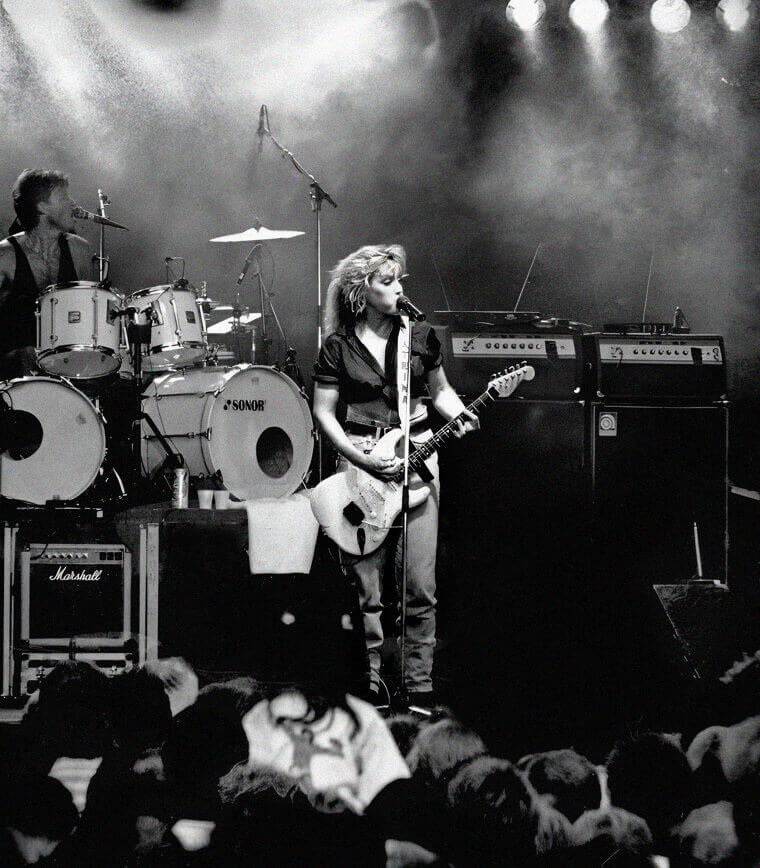
The band initially debated whether the relentlessly cheerful track fit their established rock aesthetic. Thankfully, they recorded it anyway, providing the world with an enduring and essential summertime classic.
Sweet Child O' Mine, 1987, Guns N' Roses: Built Around a Warm-Up Guitar Exercise That the Musician Initially Considered a Joke
The unmistakable opening guitar riff of this massive hard rock ballad is instantly recognizable to millions of fans around the entire globe. However, the renowned guitarist reportedly came up with the intricate fingering sequence merely as a technical string-skipping exercise to warm up his hands during a rehearsal. He allegedly found the melody somewhat silly and circus-like, but his bandmates immediately recognized its undeniable potential and insisted they build a complete arrangement around it.

The lead singer quickly penned heartfelt lyrics inspired by his romantic partner at the time. The resulting contrast between the sweet poetry and the heavy instrumentation created sheer musical magic.
Imagine, 1971, John Lennon: Heavily Influenced by Poetry Written by His Partner Years Before They Even Met
This timeless plea for global harmony and unity is universally celebrated as a masterpiece of modern songwriting and progressive thought. The artist eventually acknowledged that the core conceptual framework was heavily inspired by the avant-garde instructional poetry published by his wife several years earlier. He reportedly admitted that his own traditional views on gender roles initially prevented him from properly crediting her vital contribution to the ideological foundation of the beloved track.

Decades later, her name was officially added as a co-writer to honor her essential influence. The simple piano melody continues to resonate as a powerful anthem for peace during turbulent times.
Jolene, 1973, Dolly Parton: Sparked by a Brief Interaction With a Friendly Bank Employee and a Young Fan's Name
The narrative of a desperate woman pleading with a stunning rival to spare her relationship is 1 of country music's most enduring tales. The songwriter allegedly drew inspiration from a real-life situation where a charming local bank teller was spending a little too much time chatting with her newlywed husband. She reportedly combined those feelings of mild insecurity with the unique 1st name of an adorable young fan she met while signing autographs after a concert.

The urgent finger-picking guitar style perfectly captures the frantic emotional state of the narrator. It remains a masterclass in concise storytelling, effectively setting a vivid scene in under 3 minutes.
Heart of Glass, 1979, Blondie: Evolved Over Several Years From a Slow and Groovy Rhythm Into a Modern Dance Classic
This defining new wave hit underwent a remarkable evolution before becoming the pulsing, electronic-infused staple that dominated global radio waves. The band originally conceived the track years earlier under a different title, playing it as a slow, rhythmic groove heavily influenced by reggae and early funk styles. When they began collaborating with an innovative producer, they allegedly decided to completely restructure the tempo and incorporate cutting-edge synthesizer technology to match the emerging electronic trends.

The resulting fusion of punk attitude with polished electronic production alienated some early fans but captured the mainstream. It proved the band possessed an incredible versatility beyond their underground rock origins.
Born in the U. S. A. , 1984, Bruce Springsteen: A Critical Narrative About Veterans Returning Home That Was Largely Misinterpreted as Purely Patriotic
The bombastic synthesizer hook and powerful chorus led millions of listeners to embrace this energetic stadium rock anthem as an uncomplicated celebration of national pride. However, a close examination of the actual verses reveals a deeply critical narrative detailing the severe struggles and heartbreaking marginalization faced by working-class veterans returning from conflict. The artist reportedly wanted to highlight the stark contrast between blind patriotic slogans and the harsh economic realities experienced by ordinary citizens.
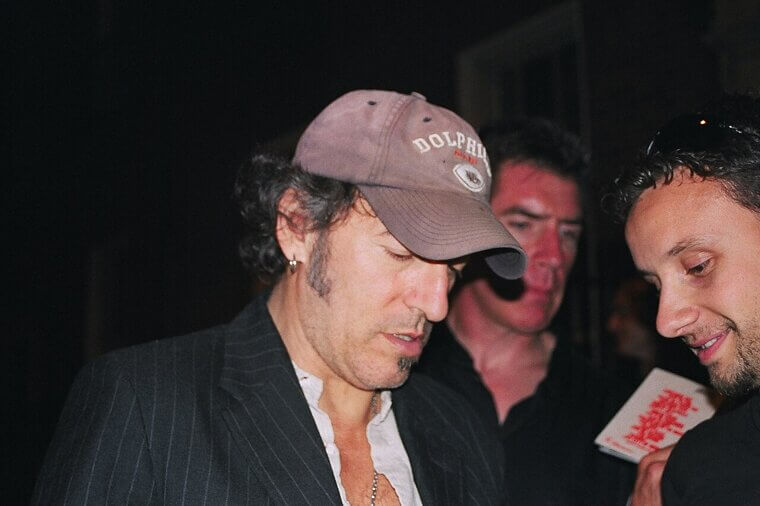
Politicians famously attempted to use the track for campaign rallies, entirely missing the poignant irony. It stands as a brilliant example of how musical arrangements can drastically alter the public perception of lyrics.
London Calling, 1979, The Clash: Fueled by Genuine Fears of a Natural Disaster and Societal Collapse in Their Home City
The urgent and apocalyptic energy of this punk rock masterpiece was born from a very specific set of anxieties plaguing the band during that era. The lyricists were reportedly terrified by contemporary news reports suggesting that the River Thames might flood and submerge the central areas of their beloved capital. They combined these environmental fears with their ongoing concerns about police brutality, economic struggles, and the perceived decline of traditional cultural institutions.

The staccato guitar rhythm brilliantly mimics the sound of a desperate news broadcast or a warning siren. It perfectly encapsulated the widespread feelings of doom and rebellion prevalent among the youth at that time.
Sultans of Swing, 1978, Dire Straits: Inspired by Observing a Dedicated but Largely Ignored Musical Group in a Quiet Local Establishment
The precise and intricate guitar work that defines this smooth rock staple accompanies a surprisingly observant and grounded lyrical narrative. The frontman allegedly ducked into a nearly empty pub on a rainy evening and spent time watching a mediocre jazz combo perform enthusiastically for a completely indifferent audience. He was reportedly struck by the sharp contrast between their grandly chosen band name and the harsh reality of their remarkably modest and unremarkable surroundings.
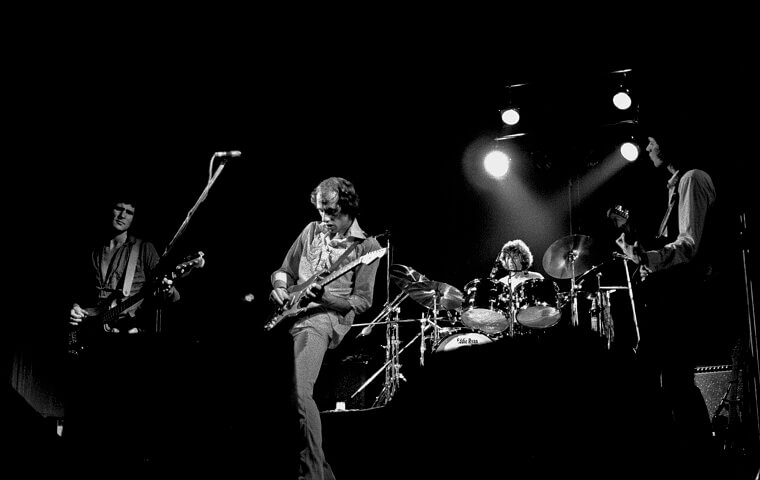
The resulting composition pays sincere tribute to working musicians who play purely for the love of the craft. It served as an incredible showcase for his unique finger-picking style, launching their successful career.
Don't Stop Believin', 1981, Journey: Derived From Words of Encouragement Offered by a Musician's Parent During a Period of Doubt
This beloved arena rock classic, famous for its delayed chorus and infectious piano riff, owes its existence to a simple piece of fatherly advice. Before the band achieved massive success, the keyboardist allegedly struggled with his career choices and considered leaving the competitive music industry entirely to pursue a more stable profession. He reportedly called his father, who firmly encouraged him to maintain his faith and hold on to his artistic vision just a little bit longer.

Those exact encouraging words eventually provided the central lyrical hook for their signature creation. The track continues to inspire generations of listeners facing their own moments of uncertainty and hesitation.
Under Pressure, 1981, Queen and David Bowie: The Result of a Spontaneous Late-Night Collaborative Session Filled With Creative Experimentation
The creation of this iconic duet stands as a legendary testament to the unpredictable magic of bringing highly talented artists together in 1 room. The collaboration was reportedly completely unplanned, occurring when the famous solo artist dropped by the studio where the theatrical rock band was actively working on new material. They allegedly spent the evening drinking, sharing ideas, and improvising various vocal melodies over a memorable bass riff provided by the band's quietest member.

The intense vocal dynamic between the 2 distinct singers perfectly captured the thematic anxiety of the lyrics. It remains a fascinating snapshot of 2 brilliant musical forces perfectly colliding in real time.
Careless Whisper, 1984, George Michael: Conceptualized While the Artist Was Merely Passing Time on Public Transportation
The smooth saxophone melody that defines this quintessential pop ballad is instantly recognizable and permanently etched into the cultural consciousness. Interestingly, the young songwriter allegedly developed the sophisticated chord progression and the iconic instrumental hook entirely in his head while riding a standard passenger bus to his mundane job. He reportedly harbored the melody for several years, slowly refining the melancholic narrative about regret and lost trust before finally committing it to a studio recording.
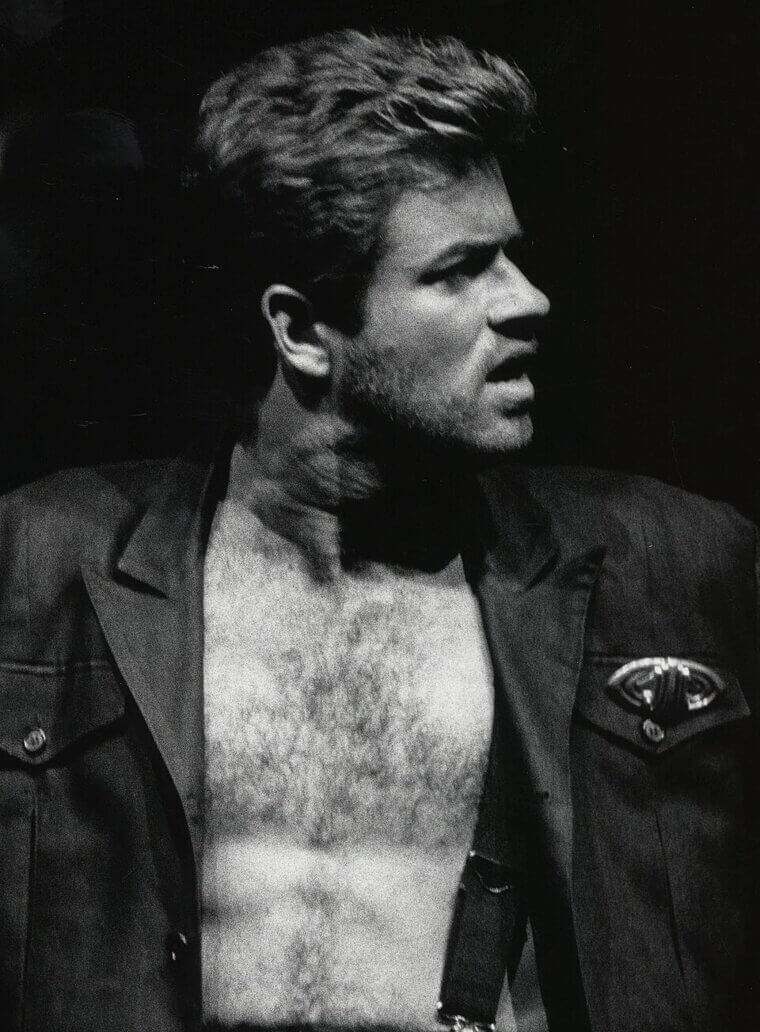
The track impressively highlighted his immense capabilities as a mature composer and a soulful vocalist. It played a crucial role in establishing his individual identity outside of his energetic pop duo.
Let It Be, 1970, The Beatles: Sparked by a Comforting Dream the Songwriter Had During a Period of Immense Personal Stress
This beloved piano ballad often carries religious connotations for many listeners, but the actual inspiration is far more intimate and personal to the primary composer. During a particularly difficult period filled with stressful business disputes and internal band friction, the artist allegedly experienced a vivid dream featuring his deceased mother, Mary. He reportedly stated that her gentle reassuring presence in the dream provided him with a profound sense of peace and inspired the comforting lyrical message.
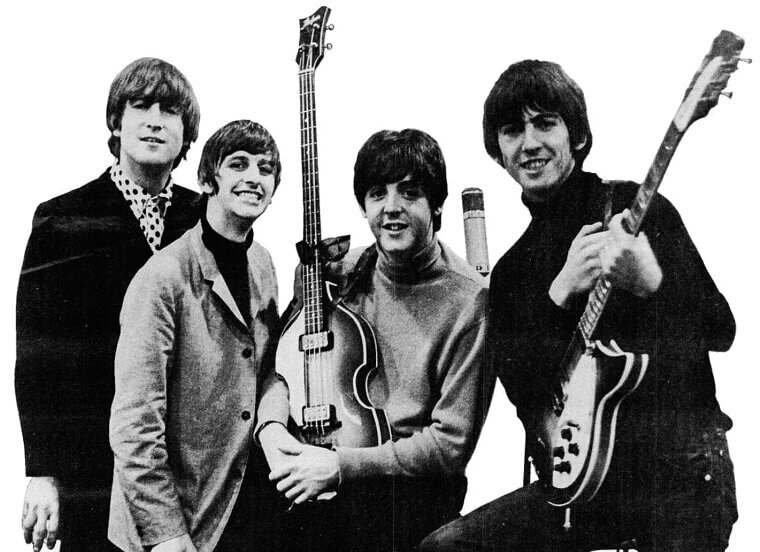
The heartfelt recording sessions provided a brief moment of unity during the final days of the legendary group. It endures as a universal anthem of acceptance, resilience, and quiet hopefulness.
American Pie, 1971, Don McLean: A Sprawling Reflection on a Tragic Aviation Accident That Profoundly Impacted Early Rock History
This enigmatic and lengthy folk-rock epic has inspired decades of intense lyrical analysis from dedicated fans and cultural historians alike. The songwriter allegedly used the devastating plane crash that claimed the lives of 3 pioneer rock musicians as a framing device to explore the broader loss of innocence in American culture. He reportedly wove a complex tapestry of cryptic cultural references, tracing the evolution of popular music alongside the turbulent social changes of the subsequent decade.

The artist notoriously avoided thoroughly explaining every single metaphor, preferring to let the listeners derive their own unique interpretations. The ambitious narrative structure forever changed the possibilities of commercial radio programming.
Bohemian Rhapsody, 1975, Queen: A Deeply Personal Composition That the Creator Kept Largely Mysterious and Open to Interpretation
This groundbreaking operatic rock suite defied every conventional rule of radio broadcasting with its dramatic shifts in tempo, style, and structure. The flamboyant frontman allegedly constructed the complex multi-part arrangement meticulously in his mind, tracking the intricate vocal harmonies on small scraps of paper before presenting them to his confused bandmates. He reportedly refused to ever fully explain the surreal lyrics, allowing fans to endlessly debate whether the narrative reflected his own complex personal journey.

The risky decision to release the lengthy track as a primary single paid off in an unprecedented manner. It shattered established industry norms and permanently elevated the artistic ambition of mainstream rock.
Superstition, 1972, Stevie Wonder: Initially Promised to Another Famous Guitarist Before the Artist Wisely Decided to Keep It
The infectious clavinet riff that drives this funky masterpiece is widely considered 1 of the greatest instrumental hooks ever captured on tape. The legendary multi-instrumentalist allegedly crafted the foundational groove during a casual studio session alongside a highly respected British rock guitarist, intending to gift the finished track to him. However, when the record label executives heard the undeniable commercial potential of the energetic recording, they reportedly insisted that the original creator keep it for his own album.

The track marked a significant turning point in his career, showcasing his growing creative independence and technological innovation. It effortlessly combined philosophical warnings against ignorance with an undeniably compelling dance rhythm.
Dreams, 1977, Fleetwood Mac: Written in a Small Hidden Studio Space Amidst Intense Interpersonal Band Turmoil
The ethereal vocals and hypnotic rhythm of this chart-topping hit starkly contrast with the remarkably chaotic environment in which it was conceived. The famous frontwoman allegedly retreated to a small, windowless studio room containing only a keyboard and a bed to escape the suffocating tension of the main recording area. She reportedly penned the observant lyrics in a matter of minutes, offering a surprisingly calm and reflective assessment of her highly publicized and painful romantic separation.

Her former partner was ironically tasked with producing and arranging the very track that detailed his own flaws. The resulting tension yielded a beautifully melancholic piece of impeccable pop craftsmanship.
Barracuda, 1977, Heart: A Fierce and Angry Reaction to Deceptive Marketing Tactics Employed by Industry Executives
This aggressive hard rock anthem features a galloping guitar riff that perfectly matches the furious lyrical content delivered by the powerful lead vocalist. The sisters leading the band allegedly became enraged after discovering that their own record label had published a sleazy promotional advertisement implying an inappropriate relationship between them. They reportedly channeled their intense disgust and lingering anger toward the manipulative music industry machine directly into this unapologetic and incredibly fierce musical statement.

The track quickly became a feminist touchstone in a largely male-dominated rock landscape. It proved that they could deliver heavy, uncompromising riffs while successfully standing up for their personal integrity.
Walk This Way, 1975, Aerosmith: Sparked by a Memorable Comedic Line From a Popular Theatrical Film Released at the Time
The funky, strutting rhythm of this energetic rock staple perfectly captures the playful and slightly chaotic spirit of the famous Boston group. The band members allegedly struggled to find suitable lyrics for the instrumental groove until they took a break to watch a newly released comedy film directed by Mel Brooks. They were reportedly so amused by a specific recurring visual gag and accompanying dialogue that they immediately returned to the studio and built the entire narrative around it.
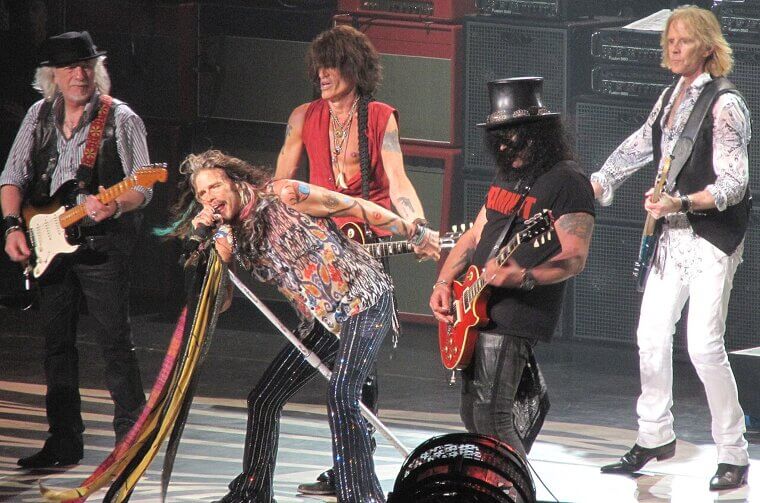
The track famously gained a 2nd life a decade later through a groundbreaking collaborative remix. It played a pivotal role in bridging the gap between heavy rock and emerging hip-hop culture.
Brass in Pocket, 1979, The Pretenders: A Track the Lead Singer Initially Disliked so Much She Allegedly Hesitated to Release It
The confident swagger and distinctive vocal delivery of this new wave hit mask the severe initial doubts harbored by its primary creator. The frontwoman reportedly felt incredibly insecure about the vocal take and the overall commercial sound of the recording, fearing it did not accurately represent their edgy rock sensibilities. She allegedly fought against releasing it as a single, only relenting after significant pressure from the producer and the enthusiastic support of her dedicated bandmates.
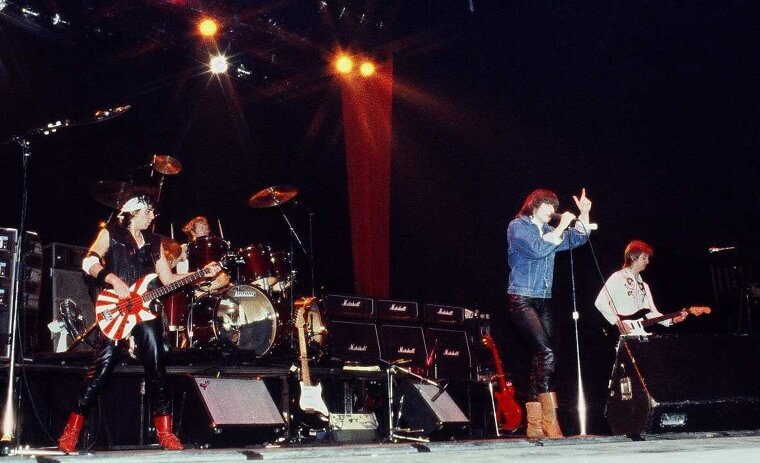
Her initial instincts were proven entirely wrong when the catchy tune catapulted them to international stardom. It remains a definitive statement of independent attitude and undeniable female empowerment.
Sunday Bloody Sunday, 1983, U2: A Passionate Plea for Peace in Response to Ongoing Political and Social Unrest
The militaristic drumbeat and urgent violin melody of this powerful anthem immediately signal its serious and weighty thematic intentions. The band allegedly sought to address the tragic violence and deep divisions tearing apart Northern Ireland without taking a partisan political stance that would further inflame the ongoing conflict. The lyricist reportedly focused on the shared human cost of the violence, asking a poignant rhetorical question about how long the senseless destruction and profound grief must endure.
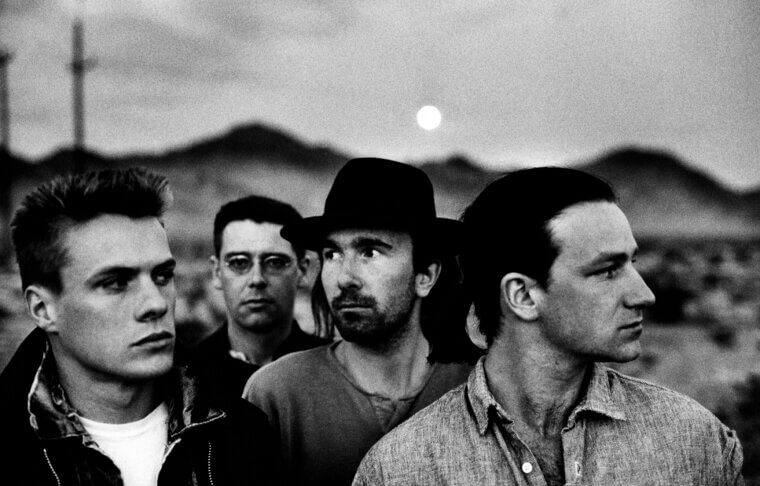
The live performances of this track became legendary for their intense emotional resonance and calls for unity. It successfully elevated the group from popular entertainers to vital voices of social conscience.
Bette Davis Eyes, 1981, Kim Carnes: Completely Transformed From Its Original Upbeat Arrangement Into a Moody Atmospheric Hit
The raspy vocal performance and driving synthesizer pulse of this massive pop hit make it instantly identifiable to anyone who lived through the era. Interestingly, the song was actually penned several years earlier and originally recorded as an upbeat, bouncy tune with a prominent jazz and swing influence. When the new artist and her producer decided to tackle the cover, they allegedly slowed the tempo considerably and introduced the stark, modern electronic elements that define the final version.

The legendary actress referenced in the title reportedly wrote letters to the artist expressing her genuine delight. She was allegedly thrilled that the modern hit made her seem cool to her grandchildren.
Dancing in the Dark, 1984, Bruce Springsteen: Written Late at Night Out of Pure Frustration With Demands for a Commercial Hit
This energetic and universally beloved track holds the unique distinction of being written explicitly because the artist was tired of being asked to write. After presenting an entire album of completed material, the producer allegedly demanded 1 more guaranteed commercial single that could dominate the modern radio format. The frustrated musician reportedly went back to his hotel room and penned lyrics directly addressing his own creative exhaustion, feeling trapped by the immense pressure to constantly produce.

The brilliant irony is that his song about struggling to write a hit became the biggest hit of his entire career. The iconic synthesizer riff perfectly disguised the underlying lyrical anxiety.
Edge of Seventeen, 1981, Stevie Nicks: The Title Emerged After the Singer Misheard a Comment About Another Musician's Relationship Timeline
The driving, percussive guitar riff that propels this classic solo anthem is widely considered 1 of the most exciting instrumental loops in rock history. The legendary songwriter allegedly found the inspiration for the memorable title during a casual conversation with a fellow musician's wife regarding how they 1st met. When the woman mentioned meeting her husband at the age of seventeen, her slight southern drawl reportedly caused the singer to mishear the phrase as the song's eventual title.

She combined this striking phrase with her own grief surrounding the recent passing of an esteemed family member. The resulting composition perfectly balanced intense sorrow with incredible resilient energy.
Beat It, 1983, Michael Jackson: Crafted Specifically Because a Producer Demanded a Track That Would Appeal to Rock Audiences
The aggressive edge and fierce attitude of this monumental crossover hit were meticulously calculated to expand the artist's already massive listening audience. The legendary producer overseeing the album reportedly insisted they needed a genuine hard rock anthem, specifically referencing an earlier hit by a prominent rock band as the targeted stylistic template. The pop superstar allegedly embraced the challenge, writing a tough, narrative and crafting an incredibly driving instrumental rhythm to support it.

They famously enlisted a renowned heavy metal guitarist to provide the blistering, unforgettable solo completely free of charge. The strategic blend of pop sensibilities and heavy rock aggression revolutionized the modern musical landscape.
Livin' on a Prayer, 1986, Bon Jovi: Almost Excluded From Their Album Because the Lead Vocalist Reportedly Did Not Believe in Its Potential
This quintessential stadium rock anthem, famous for its talk-box guitar effect and key change, nearly ended up abandoned on the cutting room floor. The charismatic lead singer allegedly felt the original demo lacked the necessary energy and actively argued against including the track on their highly anticipated upcoming release. It reportedly took intense persuasion from the primary guitarist and an extensive reworking of the bassline to finally convince the skeptical vocalist that the song possessed genuine magic.

The relatable narrative about a working-class couple struggling to survive immediately resonated with millions of listeners globally. It permanently defined an entire era of big-haired, melodic hard rock.
Sweet Dreams (Are Made of This), 1983, Eurythmics: Created During a Tense Disagreement When a Synthesizer Sequence Unexpectedly Broke the Silence
The chillingly precise electronic rhythm that drives this defining synth-pop classic emerged from a remarkably tense and emotionally fraught studio environment. The 2 primary members of the duo were allegedly experiencing a severe argument and a creative slump following the disappointing commercial performance of their previous musical efforts. The producer reportedly walked away in frustration, accidentally triggering a looping bass sequence on his brand new synthesizer that instantly caught the attention of the brooding vocalist.

She immediately improvised the iconic lyrical hook over the relentless mechanical rhythm, perfectly capturing their shared feelings of cynical determination. It transformed their lingering frustration into an enduring masterpiece of electronic music.