
Bill Withers: Soul Legend Who Walked Away in 1985 to Live a Quiet Life and Focus on His Family
Bill Withers achieved massive success during the 1970s with hits that became timeless classics, earning him widespread acclaim and financial security. Despite his immense talent, the soul legend reportedly grew tired of the constant interference from record executives who wanted to control his creative output. In 1985, he made the deliberate decision to walk away from the music industry entirely to prioritize his family and personal peace. Withers chose to live a quiet, unassuming life away from the relentless glare of the media spotlight.
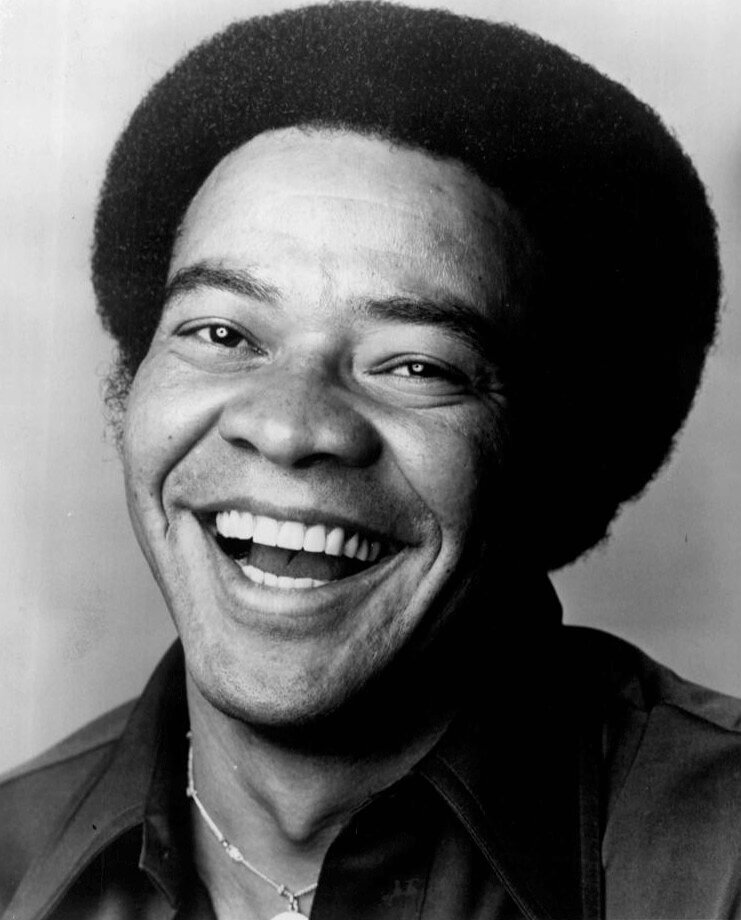
He spent his remaining decades enjoying the simple pleasures of home life, rarely granting interviews and avoiding public appearances. His departure remains one of the most famous examples of an artist leaving on their own terms.
John Deacon: Queen’s Reclusive Bassist Who Retired to Focus on Private Life After the Loss of Freddie Mercury
John Deacon was a vital creative force behind one of the biggest rock bands of the 1970s and 1980s, writing several of their most iconic chart-topping hits. Following the tragic passing of frontman Freddie Mercury, the talented bassist allegedly felt that the heart of the group was gone forever. He participated in a few tribute projects but eventually decided to retire from the music business altogether in the late 1990s. Deacon retreated to a deeply private existence in London, choosing to raise his children away from the intrusive lenses of the press.
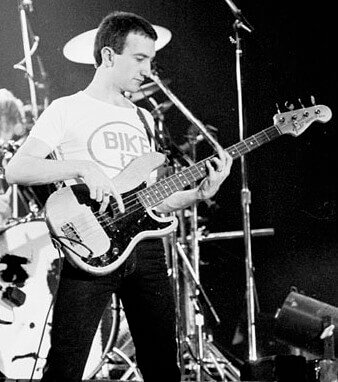
He has reportedly not spoken to his former bandmates in over 2 decades, maintaining a strict policy of silence regarding his past fame. His legacy continues to thrive while he enjoys peaceful anonymity.
Grace Slick: Jefferson Starship Singer Who Swapped the Microphone for a Paintbrush and Found Peace in Art
Grace Slick dominated the rock scene with her powerful vocals and commanding stage presence for decades before deciding she had had enough of the rock and roll lifestyle. By the late 1980s, the iconic frontwoman reportedly felt that rock music was a young person's game and chose to gracefully exit the stage. She traded her microphone for a paintbrush, channeling her boundless creative energy into visual arts instead of music. Slick has spent the subsequent years living in California, dedicating her time to painting portraits of fellow musicians and animals.
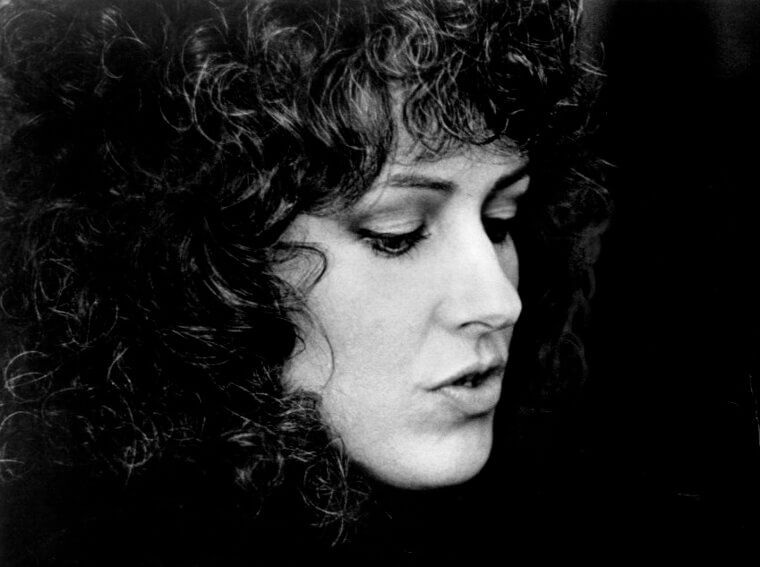
She has allegedly stated numerous times that she does not miss the grueling touring schedule or the pressures of fame. Her transition from legendary singer to respected painter allowed her to find lasting peace.
Bobbie Gentry: Country Pop Pioneer Who Mysteriously Disappeared From the Spotlight to Live Away From Fame
Bobbie Gentry became an overnight sensation in the late 1960s and continued her highly successful career into the 1970s as a singer, songwriter, and television personality. Despite her massive success in Las Vegas and on the international charts, she seemingly grew weary of the relentless demands placed upon her by the entertainment industry. Following a final public appearance in 1982, she mysteriously vanished from the public eye without issuing any formal statement regarding her retirement.
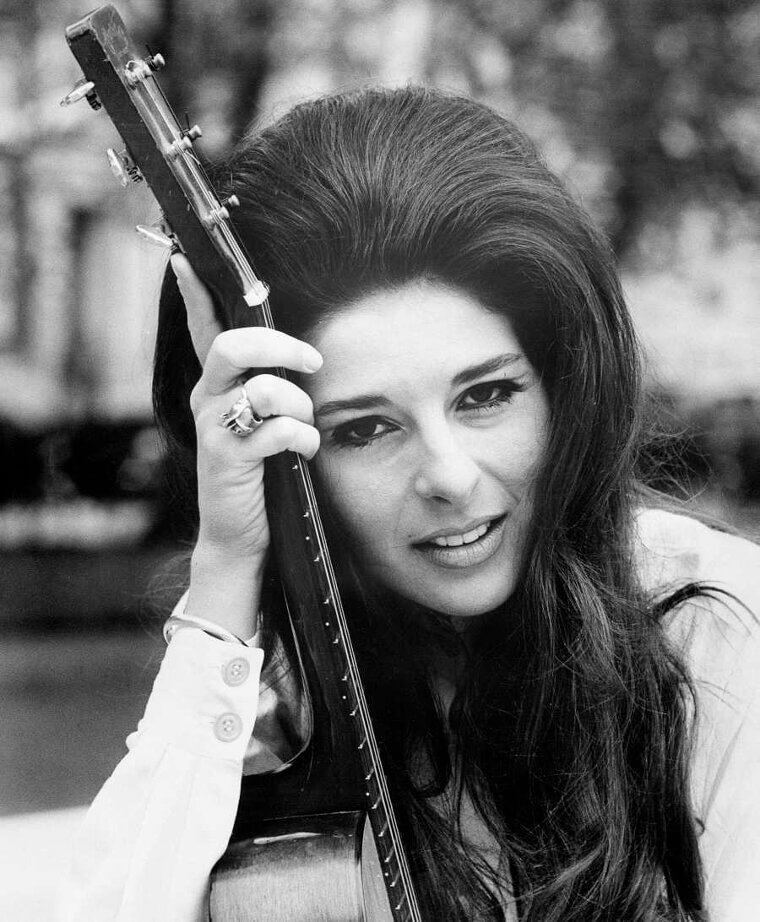
Gentry reportedly chose to live a highly secluded life, largely residing in California and Tennessee, where she focused on private business ventures. She allegedly declined numerous lucrative offers to return to the stage, preferring the tranquility of a life lived entirely out of the public view. Her sudden departure only added to her enduring mystique.
Captain Beefheart: Avant-Garde Icon Don Van Vliet Who Retired to the Desert to Become a Respected Painter
Don Van Vliet, known professionally as Captain Beefheart, carved out a completely unique space in the 1970s music scene with his experimental rock sounds and complex compositions. Despite earning immense critical respect, the grueling nature of the music business and the lack of widespread commercial success reportedly left him feeling disillusioned. In 1982, he walked away from recording and performing to reinvent himself in a completely different artistic field. Van Vliet retired to a remote home in the California desert, dedicating the remainder of his life to abstract painting.
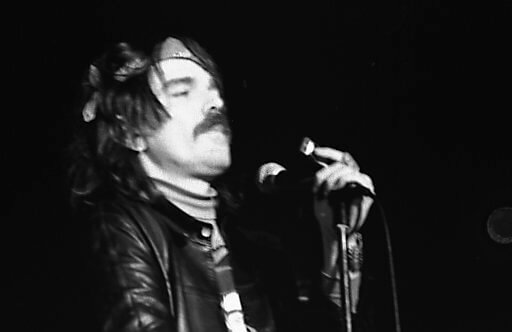
He allegedly found much greater personal satisfaction and financial stability in the art world, exhibiting his work internationally to great acclaim. His decision to abandon music allowed him to live quietly while expressing his creativity on his own terms.
Christine McVie: Fleetwood Mac Star Who Retreated to the English Countryside for 15 Years of Quiet Solitude
Christine McVie wrote some of the most enduring hits of the 1970s and 1980s, navigating the intense pressures of being in one of the world's most famous rock bands. After decades of relentless touring and media scrutiny, she reportedly developed a severe fear of flying and a strong desire to escape the chaos of fame. In 1998, she officially left the band and retreated to a sprawling historic property in the tranquil English countryside. McVie spent the next 15 years enjoying a quiet existence, focusing on restoring her home and walking her dogs far away from the paparazzi.
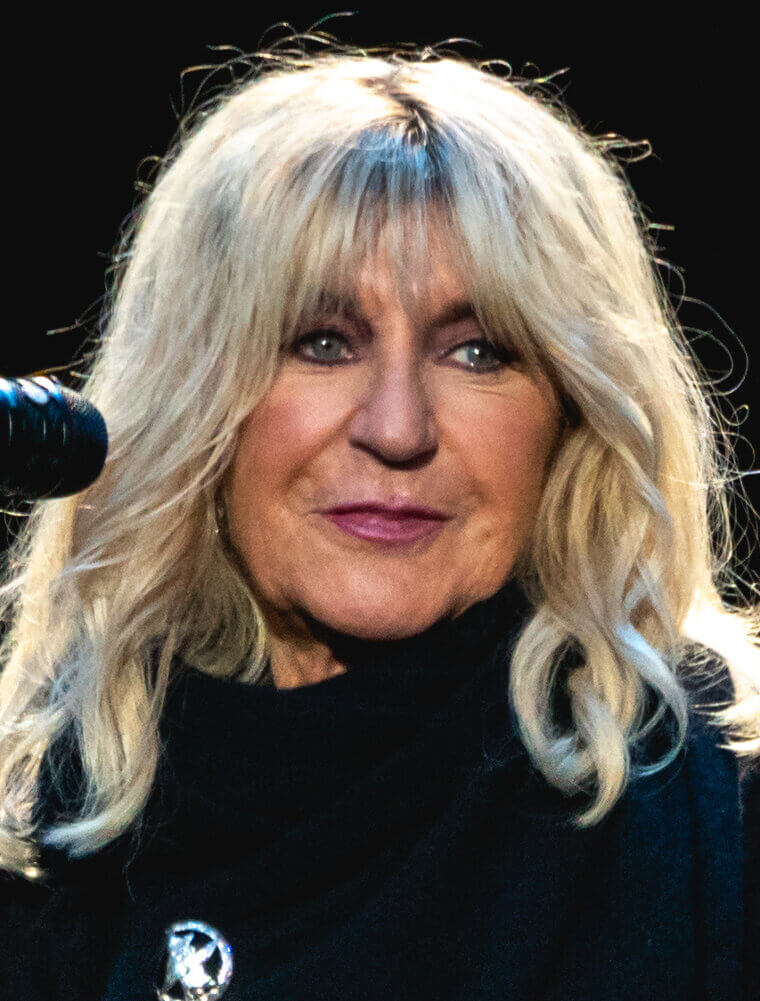
She allegedly enjoyed the anonymity of small-town life, completely detaching herself from the music industry during her long hiatus. Her extended break provided the rest she desperately needed after years in the spotlight.
Mark Hollis: Talk Talk Frontman Who Walked Away From the Industry to Prioritize Raising His Children
Mark Hollis led his pioneering band to massive international success in the 1980s before steering their sound into highly influential, experimental territory. By the time the 1990s arrived, the brilliant songwriter reportedly grew frustrated with the commercial expectations of record labels and the endless promotional cycles. Following the release of a single solo album, he permanently retired from the music industry to focus entirely on raising his 2 sons. Hollis famously stated that he could not justify going on tour and being away from his family, choosing the quiet rewards of fatherhood over continued adulation.
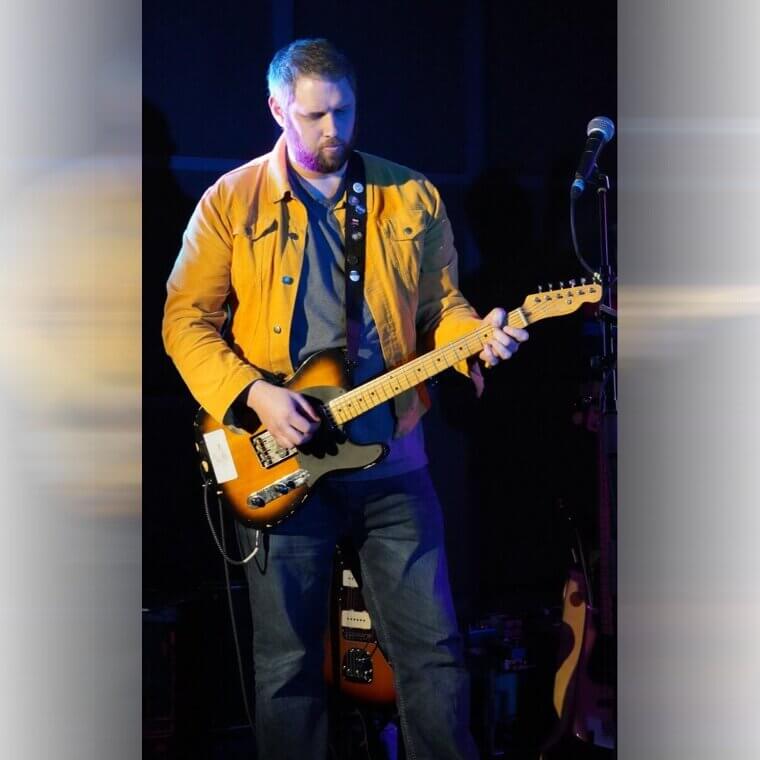
He allegedly lived a very private life in London, completely disconnected from the entertainment world. His uncompromising dedication to his family remains a testament to his values.
Steve Perry: Journey Vocalist Who Stepped Away for Decades to Find Himself Outside the Music Industry
Steve Perry possessed one of the most recognizable voices of the 1980s, propelling his band to monumental stadium-filling success across the globe. However, the relentless cycle of writing, recording, and touring reportedly took a severe toll on his physical health and emotional well-being. In the late 1990s, he made the difficult choice to walk away from his incredibly lucrative career to rediscover who he was without a microphone in his hand. Perry spent decades out of the public eye, focusing on personal healing and living a relatively normal life in California.
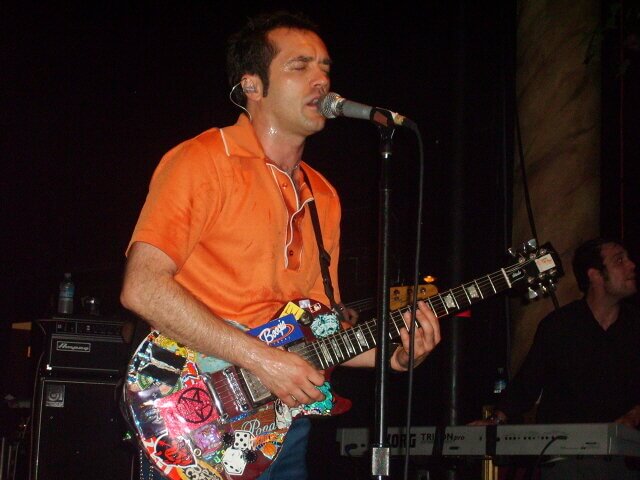
He allegedly needed to regain his passion for music naturally, free from the crushing pressure of industry expectations. His long absence allowed him to return on his own terms years later with a renewed spirit.
Kate Bush: Art Pop Visionary Who Took a 12-Year Hiatus to Focus on Motherhood and Private Life
Kate Bush redefined the possibilities of pop music in the 1980s with her theatrical performances and boundary-pushing studio albums, earning a devoted global following. Despite her legendary status, she has always maintained a strong aversion to the celebrity lifestyle and the invasive nature of the British tabloid press. Following the release of an album in 1993, she stepped away from the limelight for 12 years to focus on raising her newborn son in peace. Bush reportedly prioritized being a present mother over maintaining her career momentum, retreating to her countryside home away from the flashing cameras.
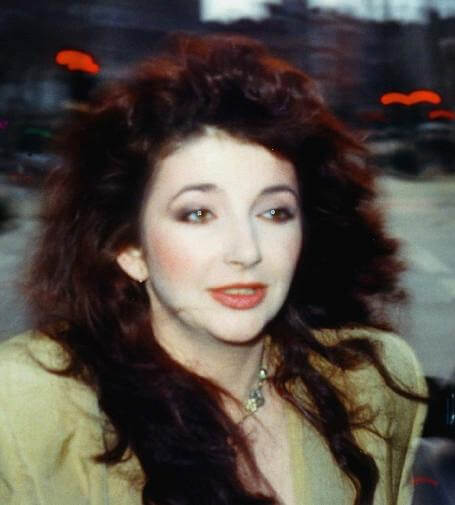
She allegedly enjoyed the mundane tasks of domestic life, finding profound fulfillment outside the recording studio. Her deliberate withdrawal only cemented her reputation as a true independent artist.
Tracy Chapman: Folk Icon Who Chose a Life of Privacy Away From the Glare of the Media
Tracy Chapman skyrocketed to international fame in the late 1980s with her socially conscious songwriting and unmistakable voice, winning multiple prestigious awards. Despite her rapid ascent to global stardom, she has always been intensely private and reportedly uncomfortable with the trappings of celebrity culture. As the decades progressed, she gradually stepped back from the relentless touring schedules and public appearances that dominate the modern music industry. Chapman chose to live a quiet life in California, rarely giving interviews and carefully controlling when and how she shares her art with the world.

She allegedly prefers to let her music speak for itself, avoiding the promotional games required to maintain a high public profile. Her commitment to maintaining her privacy has earned her immense respect from fans and peers alike.
Terry Jacks: Pop Star Who Left Music to Dedicate His Life to Environmental Activism in Canada
Terry Jacks achieved phenomenal global success in the 1970s with his massive hit single, becoming one of the most recognizable voices on international radio. However, the singer reportedly found the music industry hollow and unfulfilling compared to his profound love for the natural world. In the 1980s, he largely abandoned his recording career to dedicate his time and resources to environmental activism in his native Canada. Jacks became a prominent advocate for fighting industrial pollution, working tirelessly to protect waterways and forests from corporate exploitation.
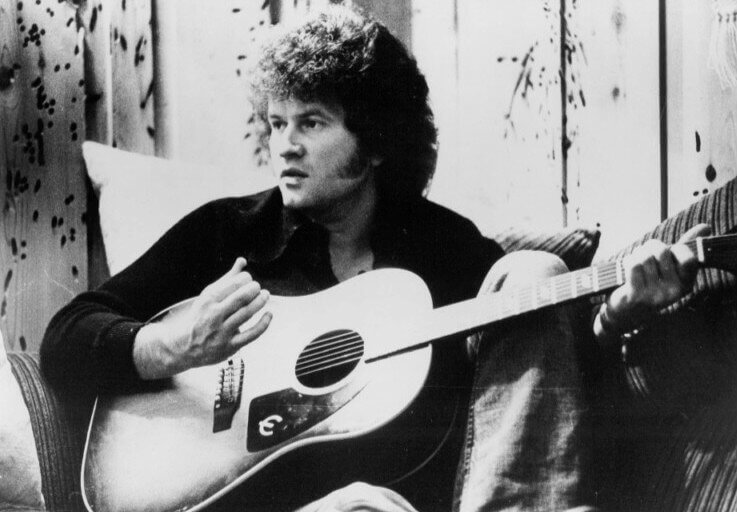
He allegedly produced several documentary films highlighting ecological issues, using his platform to effect tangible change rather than chase chart success. His pivot from pop stardom to environmental crusader demonstrates a remarkable commitment to his core beliefs.
Andrew Ridgeley: Wham! Heartthrob Who Relocated to Cornwall to Enjoy Surfing and Environmental Advocacy
Andrew Ridgeley experienced dizzying heights of global fame as one half of the biggest pop duos of the 1980s, playing to sold-out stadiums worldwide. Following the amicable dissolution of the group, he reportedly had little desire to pursue a solo music career or remain in the chaotic London social scene. Ridgeley made the deliberate choice to relocate to the quiet, picturesque region of Cornwall to enjoy a much slower pace of life. He allegedly spent his days surfing, racing cars, and engaging in local environmental advocacy, particularly focusing on keeping coastal waters clean.
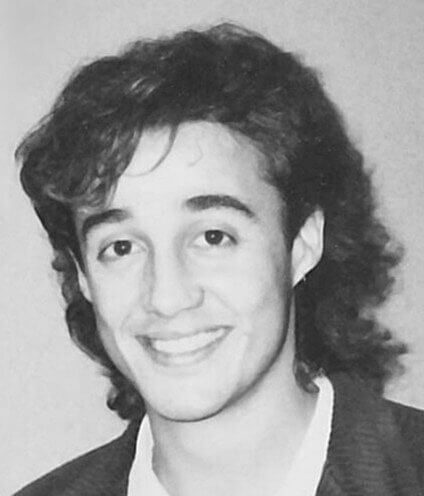
By stepping away from the intense media scrutiny, he successfully transitioned from a teen idol to a content private citizen. His ability to walk away at the absolute peak of fame is incredibly rare.
Paul Simonon: The Clash Bassist Who Traded Punk Rock Stardom for a Quiet Life as a Painter
Paul Simonon provided the driving rhythm and iconic visual style for one of the most influential punk bands of the late 1970s and 1980s. After the group eventually disbanded, the famous bassist reportedly felt no need to desperately cling to his rock star status or chase former glories. Instead, he returned to his original passion for visual arts, trading his bass guitar for canvases and oil paints. Simonon quietly established himself as a respected painter, often depicting landscapes and urban scenes from his life in London and beyond.
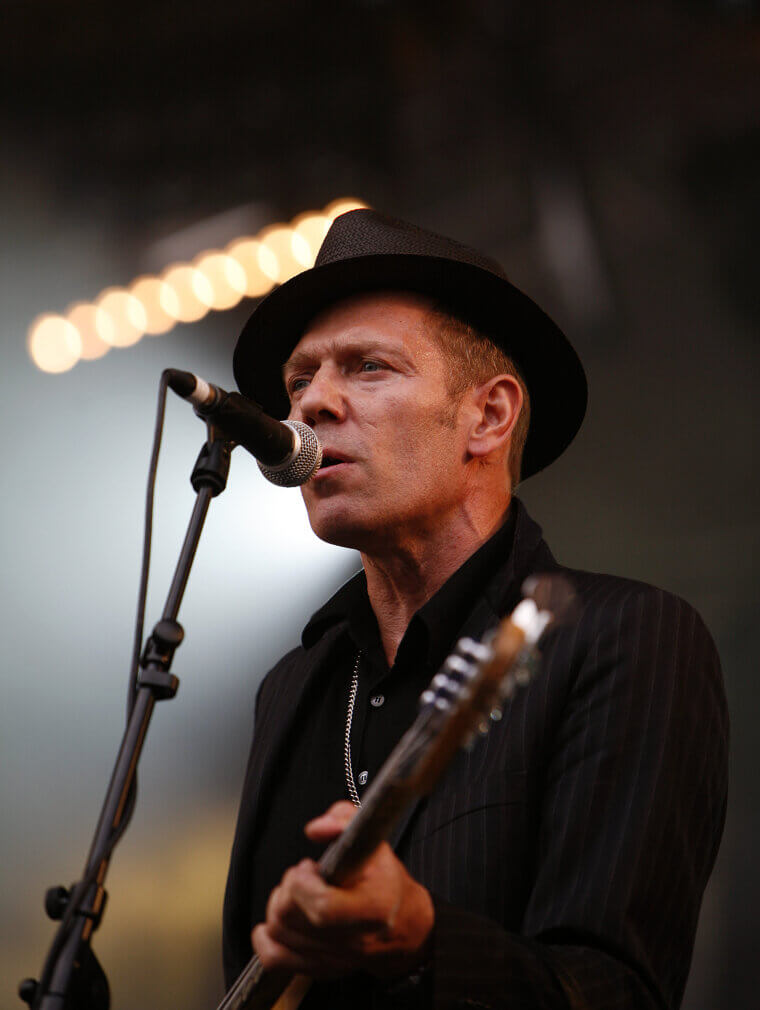
He allegedly prefers the solitary nature of painting to the chaotic environment of touring and recording studios. His successful reinvention allowed him to express his artistic vision without the accompanying noise of the music industry.
Kim Wilde: 1980s Pop Sensation Who Found a New Calling as an Award-Winning Landscape Gardener
Kim Wilde dominated the charts throughout the 1980s with her catchy synth-pop anthems and iconic blonde hair, becoming a massive international star. As the 1990s approached and musical trends shifted, she reportedly experienced immense stress and a desire to find a more grounding and peaceful career path. Seeking solace, she enrolled in horticulture courses and discovered a profound, life-changing passion for landscape gardening. Wilde successfully transitioned into a completely new profession, designing award-winning gardens and even publishing books on the subject.

She allegedly found that working with the earth provided the mental clarity and peace that the music business had slowly eroded. Her transformation from pop idol to respected horticulturalist is a testament to the healing power of nature.
Rick Astley: Pop Phenomenon Who Retired at Age 27 to Raise His Daughter Away From Fame
Rick Astley became an inescapable global pop sensation in the late 1980s, selling millions of records and achieving unprecedented chart success. However, the relentless media attention and the grueling demands of international promotion reportedly triggered intense anxiety and a fear of flying. In 1993, at just 27 years old, he made the shocking decision to officially retire from the music industry to protect his mental health. Astley wanted to be a present father to his young daughter, choosing family life over continued commercial success.
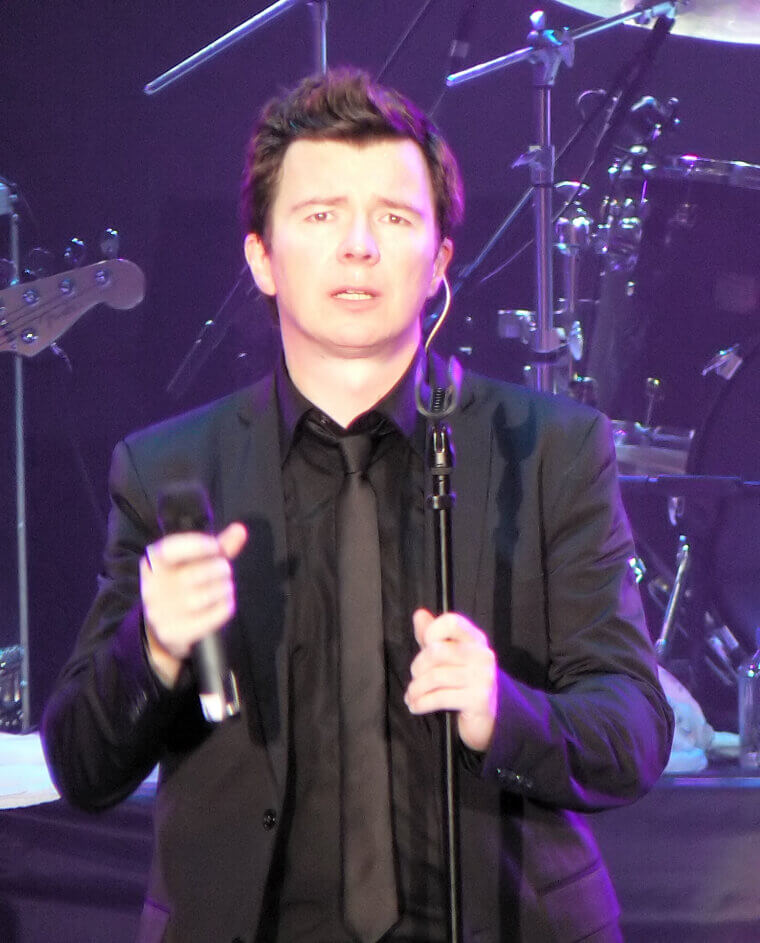
He allegedly spent the next decade enjoying complete anonymity in London, refusing lucrative offers to return to the stage. His early retirement allowed him to enjoy a remarkably normal family life far removed from the pressures of stardom.
Thomas Dolby: Synth-Pop Pioneer Who Transitioned Into a Technology Entrepreneur and University Professor
Thomas Dolby achieved major commercial success in the 1980s with his innovative use of synthesizers and quirky, science-focused music videos. Despite his popularity as a performer, his true passion reportedly always lay in the technological aspects of sound design and computer programming. In the 1990s, he largely walked away from pop stardom to move to Silicon Valley and establish his own software technology company. Dolby successfully created audio technology that was eventually utilized in millions of mobile phones worldwide, cementing his status as a tech innovator.
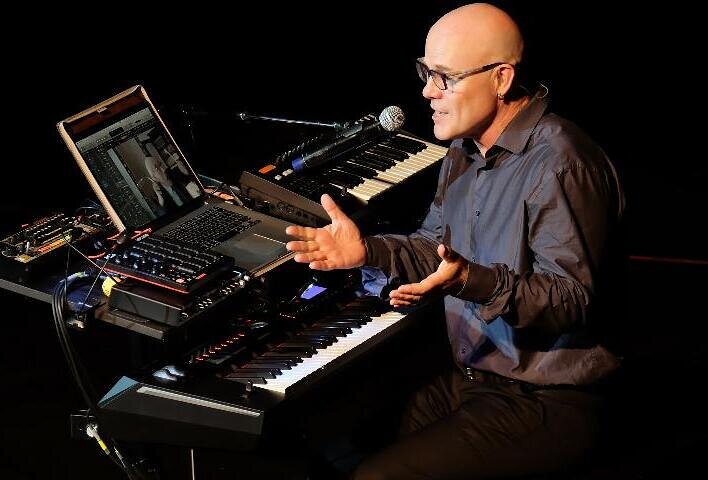
He allegedly found teaching just as rewarding, later becoming a university professor to instruct the next generation of sound designers. His seamless transition from MTV star to respected academic and entrepreneur is highly unusual.
Al Green: Soul Legend Who Left Secular Music at the Height of Fame to Become a Reverend
Al Green was arguably the biggest soul singer of the early 1970s, delivering a string of massive hits that defined the era's sound. Following a traumatic personal incident, he reportedly experienced a profound spiritual awakening that fundamentally altered the trajectory of his life and career. In the late 1970s, he chose to walk away from his incredibly lucrative secular music career to focus entirely on his religious faith. Green purchased a church in Memphis and became an ordained reverend, dedicating his life to preaching and recording gospel music.
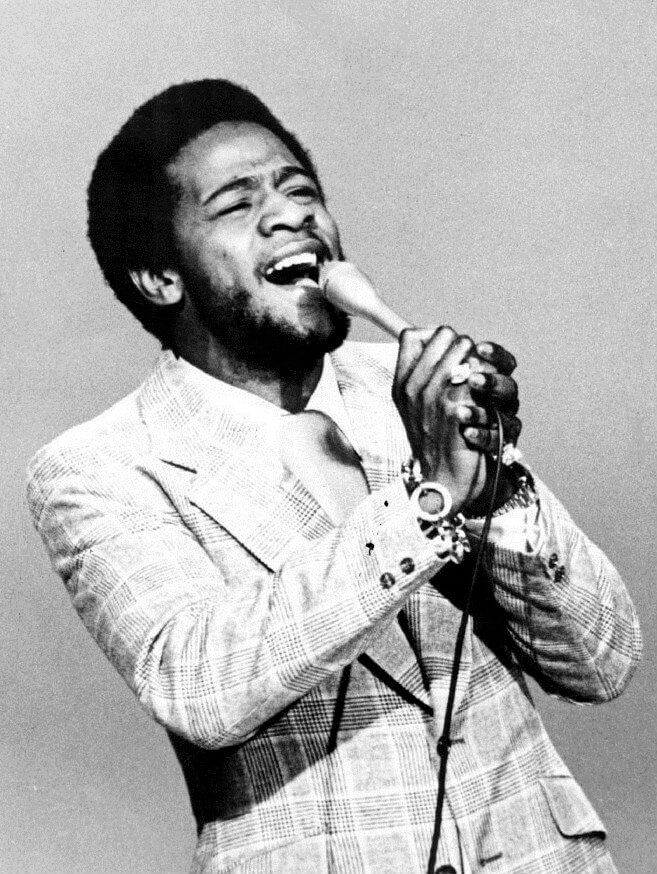
He allegedly found immense peace in his new calling, preferring the pulpit to the concert stage for many years. His pivot remains one of the most famous spiritual transformations in modern music history.
Roland Gift: Fine Young Cannibals Singer Who Stepped Back From Stardom to Pursue Acting and Privacy
Roland Gift achieved monumental worldwide success in the late 1980s as the frontman of his highly acclaimed band, dominating both the pop and alternative charts. Despite the massive financial success of their hit album, the singer reportedly felt uncomfortable with the intense level of fame and media scrutiny that followed. Instead of capitalizing on their momentum, the group quietly disbanded, and he stepped away from the music industry spotlight. Gift chose to pursue a modest acting career and prioritize his private life over the demands of international pop stardom.
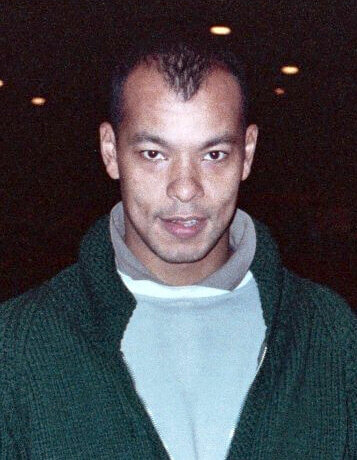
He allegedly preferred the anonymity of living away from major media hubs, avoiding the typical celebrity lifestyle entirely. His decision to walk away at the peak of his commercial viability remains a fascinating chapter in 1980s pop.
Sananda Maitreya: R&B Star Who Changed His Name and Moved to Italy to Escape the Pressures of Fame
Sananda Maitreya, formerly known as Terence Trent D'Arby, exploded onto the music scene in the late 1980s with a debut album that sold millions globally. Following clashes with record executives over his creative direction, he reportedly grew deeply resentful of the corporate machinations of the music industry. In the late 1990s, he chose to legally change his name and completely distance himself from his previous pop star persona. Maitreya relocated to Italy, seeking a quieter environment where he could create independent music entirely on his own terms.
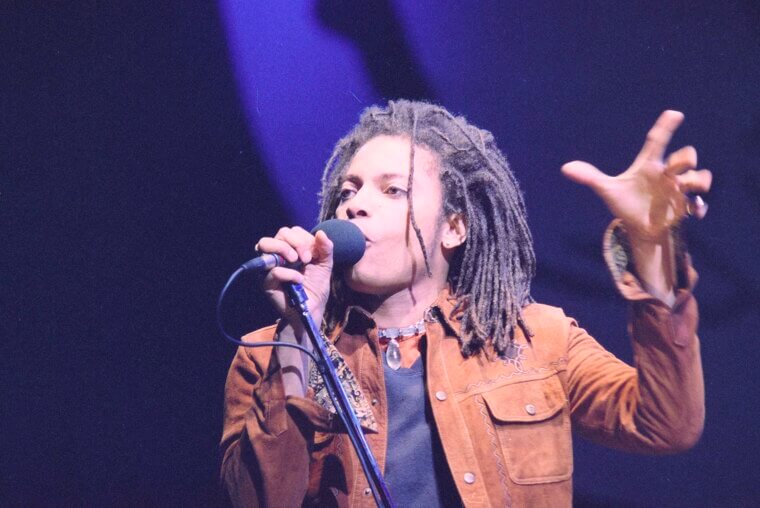
He allegedly found profound freedom in leaving his massive fame behind, preferring a modest, artistically fulfilling life over chart success. His deliberate erasure of his former identity highlights the extreme pressures placed upon pop phenomena.
Anita Baker: R&B Legend Who Paused Her Career for 10 Years to Raise Her Boys in Peace
Anita Baker dominated the R&B charts throughout the 1980s, winning multiple awards for her smooth vocals and sophisticated romantic ballads. As she reached the pinnacle of her career, the exhausting demands of touring and recording reportedly began to conflict with her desire to start a family. In the mid-1990s, she made the courageous choice to step away from the music industry for a full decade to focus on motherhood. Baker chose to raise her 2 sons quietly in Michigan, far away from the entertainment hubs of Los Angeles and New York.

She allegedly wanted to be present for every milestone of her children's lives, valuing her role as a mother above her status as a global superstar. Her long absence proved that family always came first for the iconic singer.
Agnetha Fältskog: ABBA Superstar Who Retreated to an Island to Escape the Overwhelming Pressures of Global Fame
Agnetha Fältskog was one of the most photographed women in the world during the 1970s as a member of the globe-conquering Swedish pop group. The unrelenting attention from obsessive fans and the aggressive tabloid press reportedly caused her severe anxiety and a debilitating fear of flying. After the band dissolved, she chose to largely withdraw from public life, seeking refuge and solitude on a secluded island in Sweden. Fältskog spent decades living quietly, focusing on astrology, horse riding, and walking her dogs in peaceful anonymity.

She allegedly avoided listening to music for years in an effort to completely detach herself from her traumatic experiences with extreme fame. Her retreat remains a stark reminder of the immense personal toll that global superstardom can exact.
Anni-Frid Lyngstad: ABBA Singer Who Married Royalty and Dedicated Her Life to Environmental Causes Away From Pop
Anni-Frid Lyngstad enjoyed unparalleled international fame in the 1970s and early 1980s, helping create some of the most enduring pop anthems of all time. Following the group's demise and a brief solo career, she reportedly found her interests shifting away from the entertainment business and toward philanthropy. She married a German prince in 1992, officially becoming royalty and relocating to Switzerland to enjoy a highly private, elevated lifestyle. Lyngstad dedicated her subsequent decades to environmental causes and charitable work, leaving her pop star past far behind her.
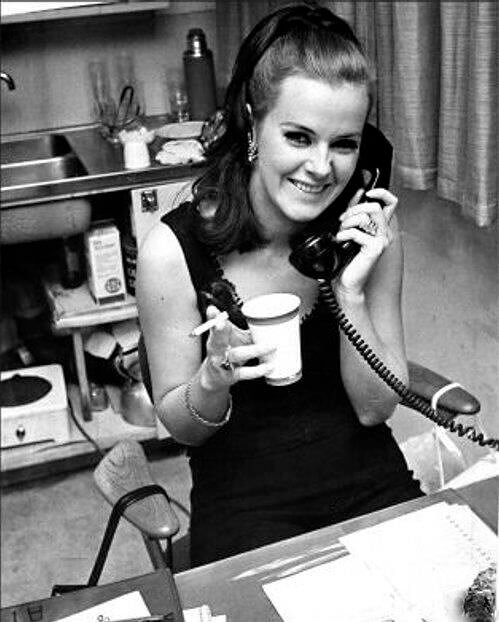
She allegedly found immense fulfillment in using her resources to promote sustainability rather than chasing further musical accolades. Her graceful exit from the limelight allowed her to forge a completely new, meaningful identity.
Syd Barrett: Pink Floyd Founder Who Spent His Later Decades Living Quietly in His Hometown Painting
Syd Barrett was the original visionary behind one of the most influential psychedelic rock bands of the late 1960s and early 1970s. As his mental health reportedly deteriorated due to the immense pressures of fame and alleged substance use, he was forced to step away from the band he created. Barrett subsequently abandoned the music industry entirely, retreating to his hometown of Cambridge to live out the rest of his life in quiet seclusion. He spent his days painting abstract canvases and tending to his garden, fiercely avoiding any interaction with the press or eager fans.
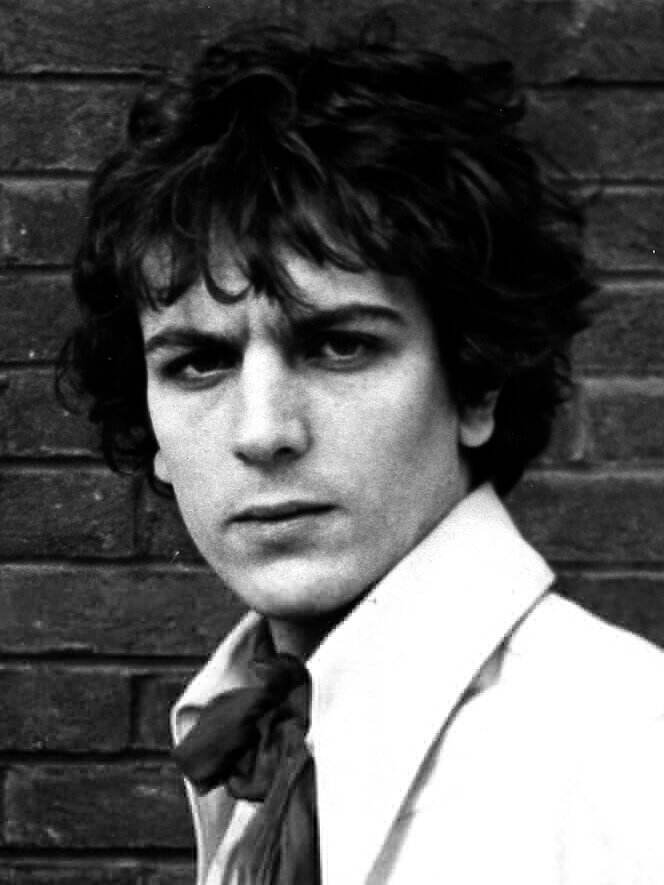
He allegedly preferred to be called by his birth name, Roger, signaling a complete break from his rock star persona. His tragic but peaceful retirement remains a poignant story in rock history.
Sly Stone: Funk Pioneer Who Withdrew From the Public Eye to Live a Highly Secluded Life
Sly Stone revolutionized the music landscape in the early 1970s, blending soul, rock, and funk into a completely original and highly influential sound. Despite his genius, the pressures of maintaining his massive success reportedly led to unreliability and eventual disillusionment with the entertainment business. By the mid-1980s, he had largely vanished from the public eye, choosing to live a highly secretive and reclusive lifestyle in California. Stone rarely granted interviews and stopped releasing new music, becoming an enigmatic figure who actively avoided the spotlight he once commanded.

He allegedly found the music industry too toxic to navigate, preferring the safety of isolation over the demands of a comeback. His long absence only fueled the legendary status of his classic recordings.
John Foxx: Ultravox Founder Who Left the Band to Become a Successful Graphic Designer and Academic
John Foxx was a pioneer of electronic music in the late 1970s, guiding his band to critical acclaim before synthesizer pop dominated the charts. Just as the group was poised for massive commercial success, he reportedly grew tired of the traditional band dynamic and the expectations of touring. Foxx left the group and eventually stepped away from music entirely in the late 1980s to pursue his profound interest in visual arts. He established a highly successful career as a graphic designer and later became a university lecturer in the United States.

David Sylvian: Japan Frontman Who Retreated Into a Deeply Private Life Focused on Spiritual Exploration
David Sylvian achieved major success in the early 1980s as the striking frontman of his new wave band, becoming a reluctant teen idol in several countries. However, the singer reportedly despised the shallow nature of pop stardom and the aggressive focus on his physical appearance. He disbanded the group at the height of their fame and embarked on a solo career that became increasingly avant-garde and commercially challenging. Sylvian eventually retreated to a highly secluded life, reportedly focusing heavily on spiritual exploration and studying various philosophies.
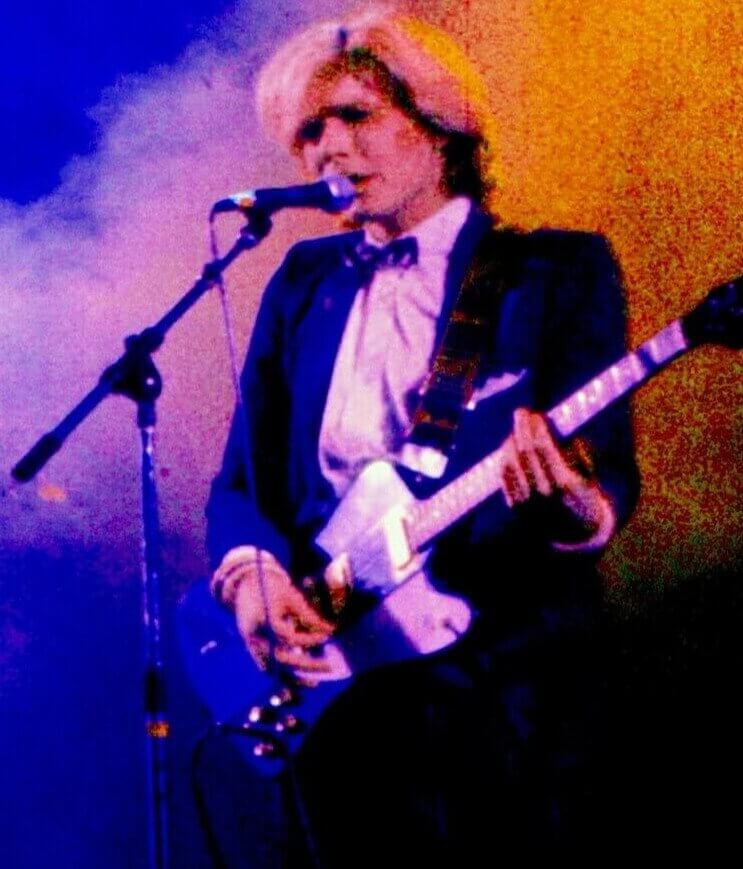
He allegedly releases music only when he feels entirely compelled, completely ignoring the promotional demands of the modern music industry. His uncompromising commitment to his artistic and personal integrity remains his defining characteristic.
Elizabeth Fraser: Cocteau Twins Vocalist Who Chose a Quiet Existence Away From the Demands of the Industry
Elizabeth Fraser possessed one of the most ethereal and distinctive voices of the 1980s, heavily influencing an entire generation of alternative rock singers. Following the emotional dissolution of her band in the late 1990s, she reportedly found the prospect of continuing a high-profile music career incredibly daunting. Fraser chose to step away from the limelight, settling into a quiet domestic life in England to focus on raising her children. She rarely gives interviews and has allegedly declined numerous offers to record solo albums, preferring the tranquility of a life lived out of the public eye.

Her occasional, highly selective vocal contributions to other artists' projects only highlight how much she values her privacy. She remains a beloved but fiercely independent figure in modern music.
Dieter Meier: Yello Co-Founder Who Pivoted From Electronic Music to Become an Organic Farmer and Restaurateur
Dieter Meier helped pioneer electronic dance music in the 1980s, scoring massive international hits with his distinctively quirky vocal delivery and avant-garde visuals. Despite his success in the music industry, the eccentric artist reportedly always viewed himself as a conceptual creator rather than a traditional pop star. In the subsequent decades, he shifted his immense creative energy into entirely different ventures, moving far away from the recording studio. Meier successfully became an organic beef farmer and winemaker in Argentina, later opening his own restaurants to showcase his products.
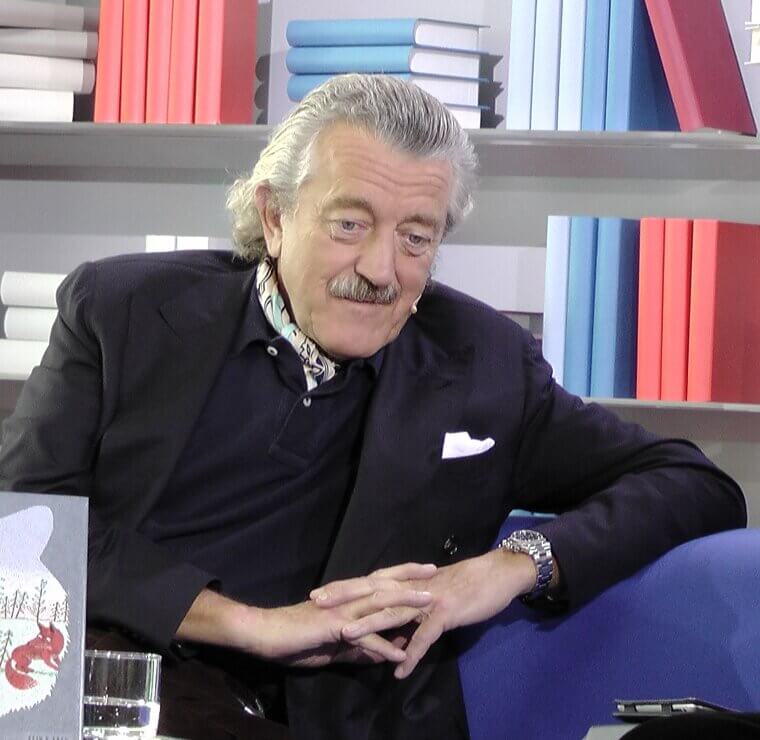
He allegedly finds agricultural work incredibly grounding, comparing the process of crafting fine wine to composing a complex piece of music. His fascinating career trajectory highlights his boundless curiosity and entrepreneurial spirit.
Lee Mavers: The La's Mastermind Who Famously Stepped Away From the Music Industry to Protect His Art
Lee Mavers wrote one of the most enduring alternative guitar anthems of the late 1980s, capturing the attention of critics and fans around the world. However, the notoriously perfectionist songwriter reportedly despised the recording process and felt the final released album completely failed to capture his true vision. Frustrated by the music industry's commercial pressures, he effectively walked away from his career, refusing to release any subsequent material for decades. Mavers retreated to a quiet life in Liverpool, allegedly preferring to play music privately rather than subject his art to corporate interference.
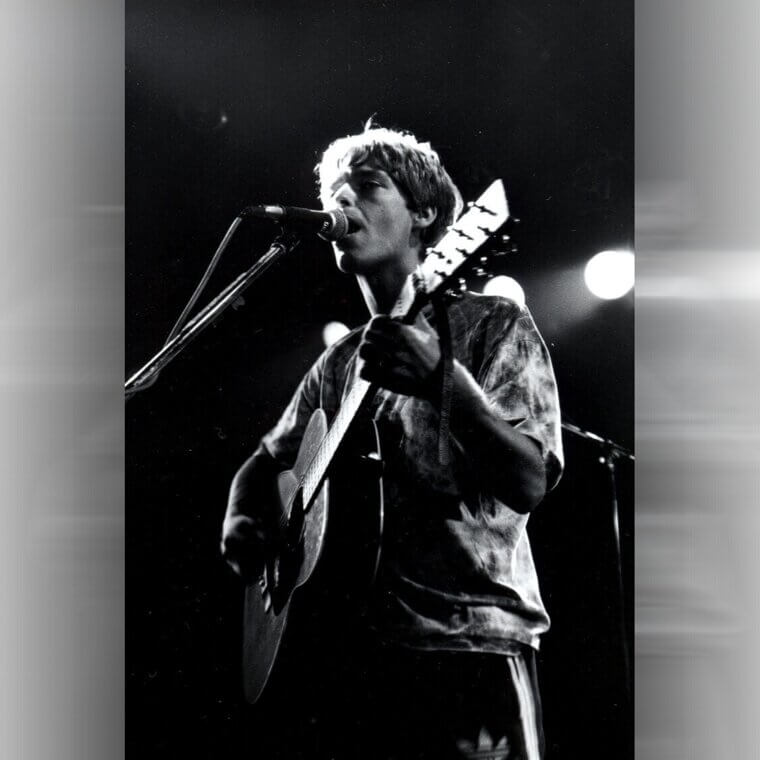
He has famously turned down massive financial offers to tour or record again, maintaining an uncompromising stance that prioritizes artistic integrity over fame. His silence has made him a legendary figure among dedicated music fans.
Joe Jackson: New Wave Star Who Moved to Berlin to Escape the Pop Spotlight and Live Quietly
Joe Jackson scored multiple massive international hits in the late 1970s and 1980s, showcasing his sharp songwriting and musical versatility across various genres. As the decades progressed, he reportedly grew increasingly frustrated with the restrictive nature of the mainstream pop industry and the intrusive culture of celebrity. Seeking a more stimulating and anonymous environment, he relocated to Berlin, intentionally stepping away from the centers of the global entertainment business. Jackson chose to live a relatively quiet life, focusing on composing classical music and writing books rather than chasing further chart success.
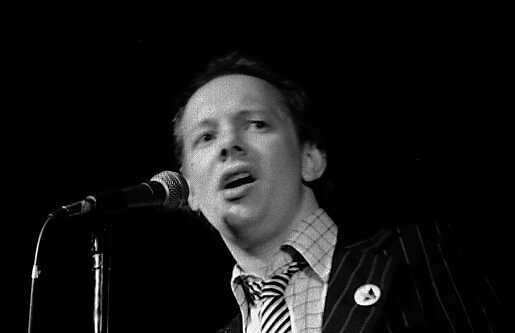
He allegedly prefers the vibrant intellectual culture of his new home, completely detached from the superficial demands of his earlier pop career. His deliberate move allowed him to age gracefully as an independent artist.
Martin McAloon: Prefab Sprout Bassist Who Left Stardom Behind to Become a Dedicated Music Teacher
Martin McAloon helped craft some of the most sophisticated and critically acclaimed British pop music of the 1980s alongside his talented brother. Despite the band's immense respect among critics and peers, they reportedly found the grueling cycle of touring and promotion exhausting and ultimately unrewarding. As the band's activity slowed down, he made the practical decision to walk away from the spotlight and transition into a completely different role. McAloon found a new calling as a music teacher, dedicating his time to educating young adults in colleges across the United Kingdom.
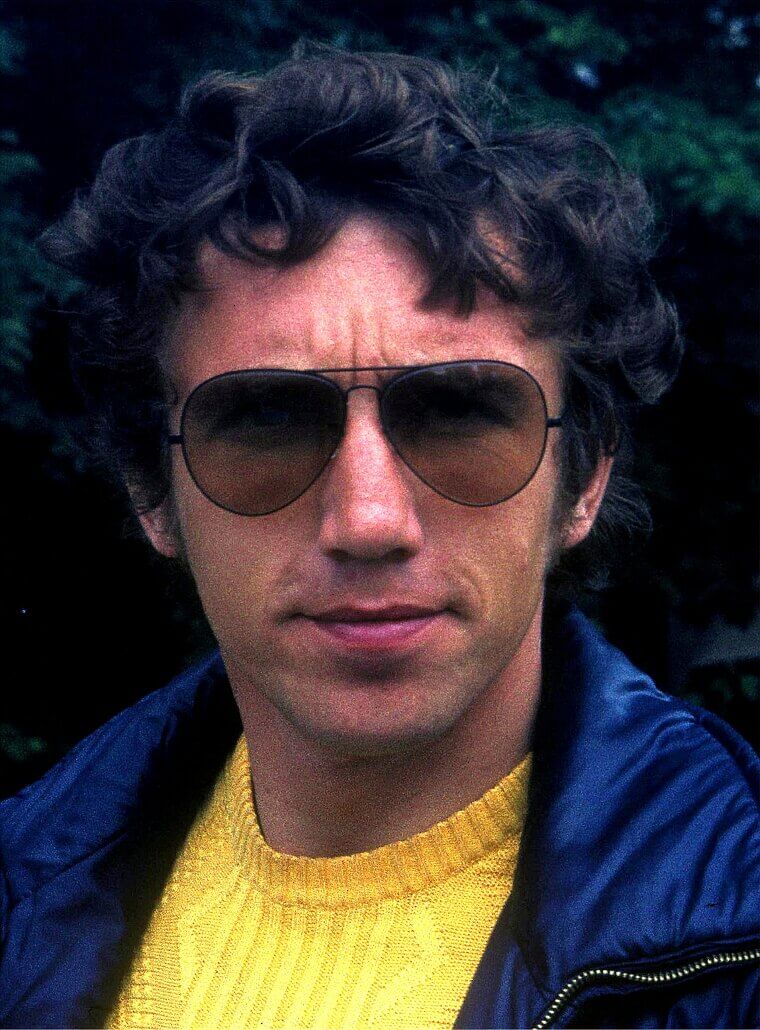
He allegedly finds immense satisfaction in passing his practical knowledge on to the next generation, completely abandoning the ego associated with rock stardom. His humble career pivot reflects a genuine love for the mechanics of music.
Alan Lancaster: Status Quo Founder Who Relocated to Australia to Enjoy a Life Outside the Headlines
Alan Lancaster was a founding member of one of Britain's most successful and enduring rock bands, dominating the charts throughout the 1970s. After years of relentless touring and escalating internal tensions within the group, he reportedly realized that the rock and roll lifestyle was taking a massive toll. In the 1980s, he made the dramatic decision to leave the band and relocate to Australia to escape the intense media scrutiny in the UK. Lancaster chose to live a highly private life with his family, far removed from the constant drama of his former career.

He allegedly embraced the laid-back Australian lifestyle, only occasionally participating in low-profile musical projects for personal enjoyment. His willingness to walk away from immense fame secured him the peaceful existence he desperately craved.
Cat Stevens: Folk Legend Who Walked Away From Pop Stardom in 1979 to Devote Himself to His Faith
Cat Stevens was a massive folk-pop superstar in the 1970s, selling millions of albums and penning classic songs that defined an entire generation. Following a near-death experience in the ocean, he reportedly underwent a profound spiritual awakening that fundamentally altered his worldview and personal priorities. In 1979, he shocked the world by walking away from his incredibly lucrative music career, converting to Islam, and changing his name to Yusuf Islam. He auctioned off all of his guitars and dedicated the next 25 years to his faith, philanthropy, and educational initiatives within his community.
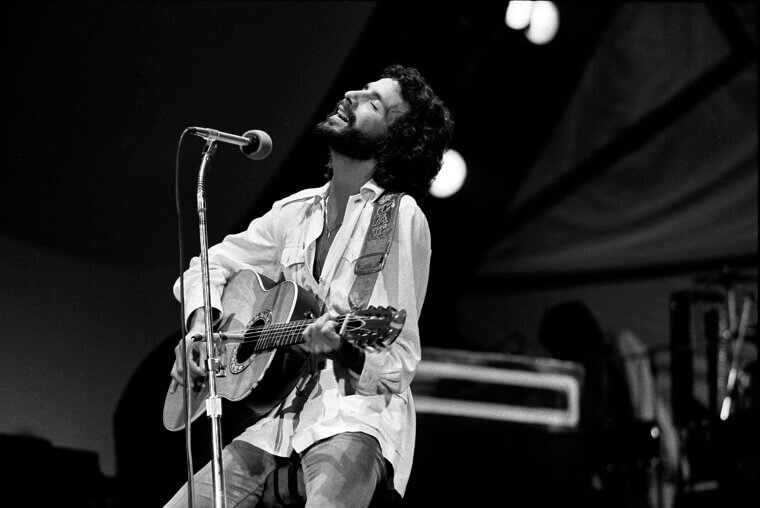
He allegedly felt that the music industry distracted him from his spiritual journey, choosing a quiet life of devotion over continued adulation. His transformation remains one of the boldest decisions in music history.
Jeff Lynne: ELO Mastermind Who Preferred the Solitude of the Studio Over the Glare of the Stage
Jeff Lynne achieved monumental success in the 1970s and 1980s by blending classical orchestrations with rock music, leading his band to global stadium tours. Despite this massive popularity, the brilliant producer reportedly despised the physical demands of touring and the overwhelming lack of privacy that accompanied extreme fame. In the late 1980s, he effectively disbanded his massively successful group to retreat entirely into the recording studio, out of the public eye. Lynne focused his energy on producing albums for other legendary artists, preferring the quiet control of the mixing desk to the chaotic energy of live performances.
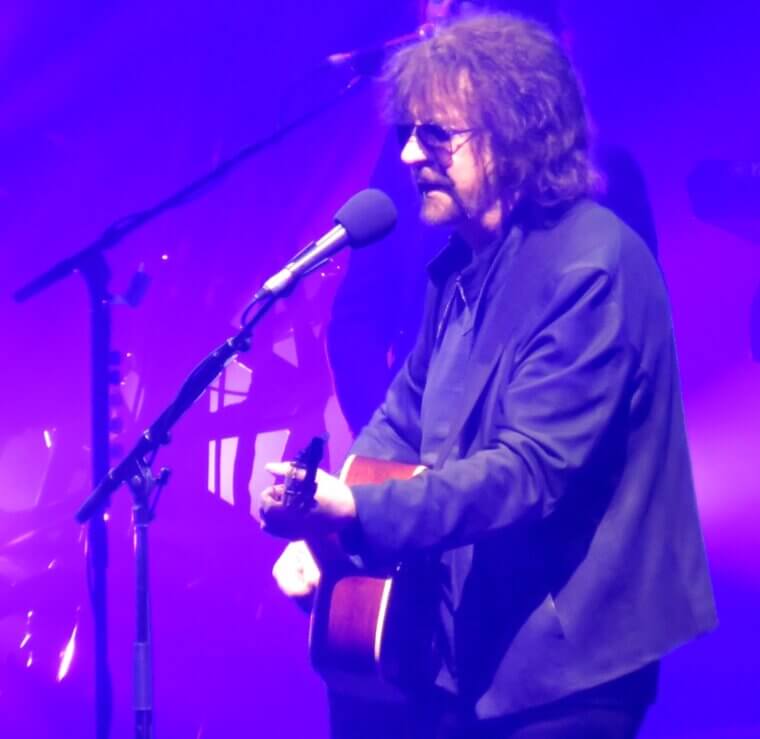
He allegedly found profound contentment in shaping sounds behind the scenes, completely avoiding the traditional trappings of a rock star lifestyle. His pivot allowed his musical genius to flourish without the burden of celebrity.
Peter Cetera: Chicago Frontman Who Stepped Back From Touring to Enjoy a Quiet Life in Idaho
Peter Cetera provided the unmistakable soaring vocals for some of the biggest rock and pop ballads of the 1970s and 1980s. After decades of relentless, exhaustive touring with his legendary band, he reportedly grew tired of living out of a suitcase and desired a stable home life. He launched a successful solo career but eventually decided to step away from the grueling demands of the music industry altogether in recent years. Cetera relocated to the quiet mountains of Idaho, completely removing himself from the entertainment business to enjoy a highly private retirement.

He allegedly spends his time engaging in outdoor activities and entirely avoiding the media, having fulfilled all his musical ambitions. His graceful departure allowed him to trade the chaotic energy of arenas for the peace of nature.