
The music world has lost some incredible talent lately, leaving fans everywhere heartbroken. From heavy metal pioneers to soulful pop legends, these artists shaped the soundtrack of our lives. Dive into our list to honor these unforgettable musicians!
Ozzy Osbourne (Black Sabbath)
John Michael Osbourne helped invent the heavy metal genre during the 1970s as the lead vocalist of his pioneering band. Born in Birmingham, England, he brought a dark and theatrical approach to rock music that resonated with millions of fans globally. Following his departure from the group in 1979, he launched a highly successful solo career, releasing multi-platinum albums featuring legendary guitarists. The musician reportedly bit the head off a bat during a 1982 concert, an incident that cemented his wild reputation.
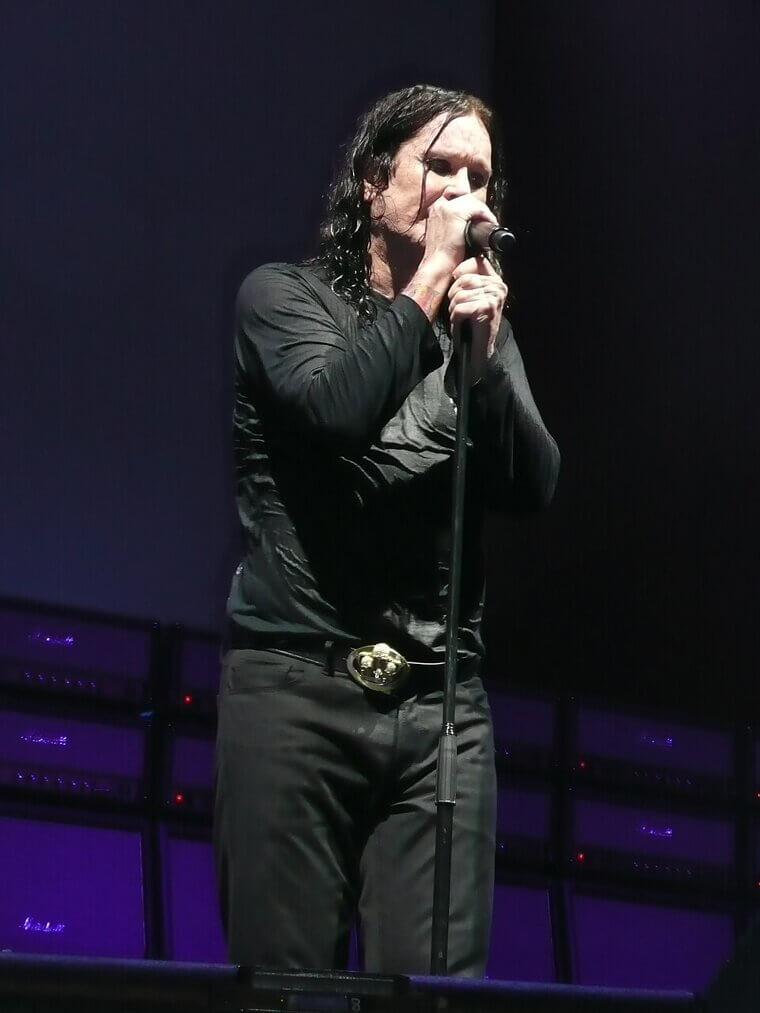
He sold over 100 million records worldwide across his lengthy career. Aside from music, he became a reality television pioneer in 2002, broadcasting his family life to a massive audience. His later years were marked by ongoing health battles, yet he allegedly maintained a strong desire to return to the stage. His influence on modern rock remains undisputed today.
Brian Wilson (The Beach Boys)
This visionary composer and producer shaped the sound of surf rock and intricate vocal harmonies that defined a generation's soundtrack. Behind the scenes, the artist was reportedly the driving force of the group's most acclaimed 1966 studio album, Pet Sounds. His complex arrangements allegedly set a new standard for pop music production techniques. He utilized unconventional instruments like the electro-theremin, bicycle bells, and dog whistles to create lush sonic landscapes.
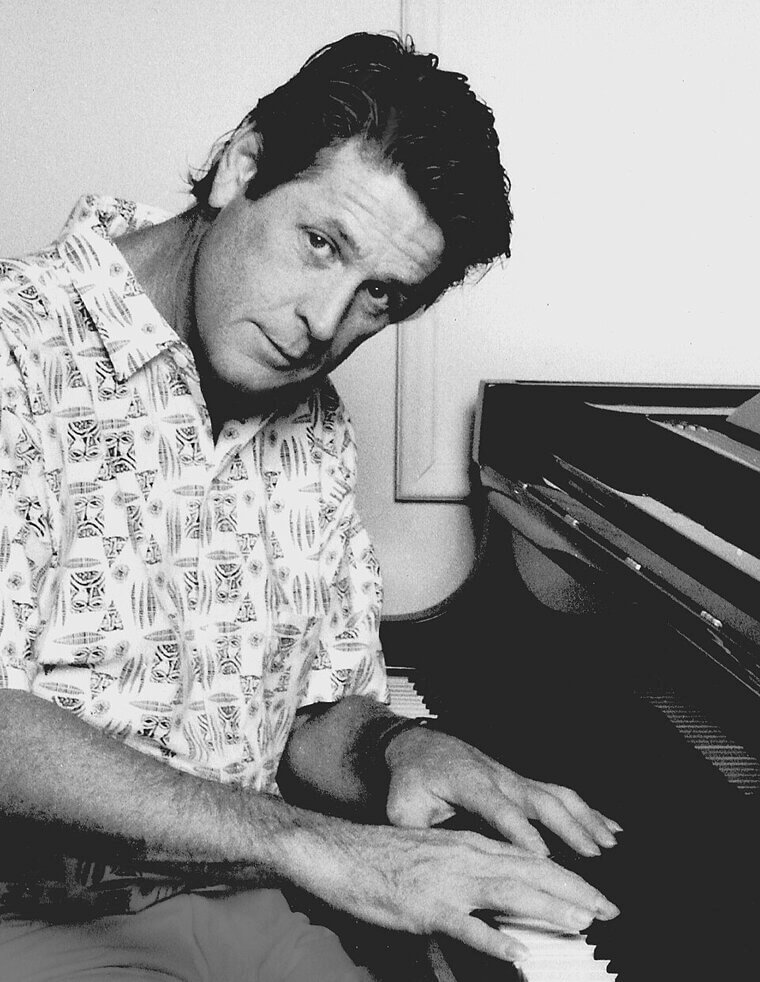
Critics often cite his genius as a turning point in how studio recording was approached by artists worldwide. After stepping away from touring in 1964 due to mental health struggles, he focused solely on studio work. He eventually returned to perform his classic albums in full during the 2000s. His enduring musical legacy continues to inspire modern alternative and indie pop musicians around the globe.
Ace Frehley (KISS)
Renowned for electrifying guitar solos and an iconic stage persona, this musician brought a unique flair to one of rock's most theatrical bands during the 1970s. Many aspiring guitarists allegedly point to his 1978 debut solo album as a major influence on their playing style. The musician reportedly designed the band's famous lightning bolt logo, adding to their enduring visual legacy. Known as the Spaceman, he utilized smoking guitars and pyrotechnics to captivate arena audiences.
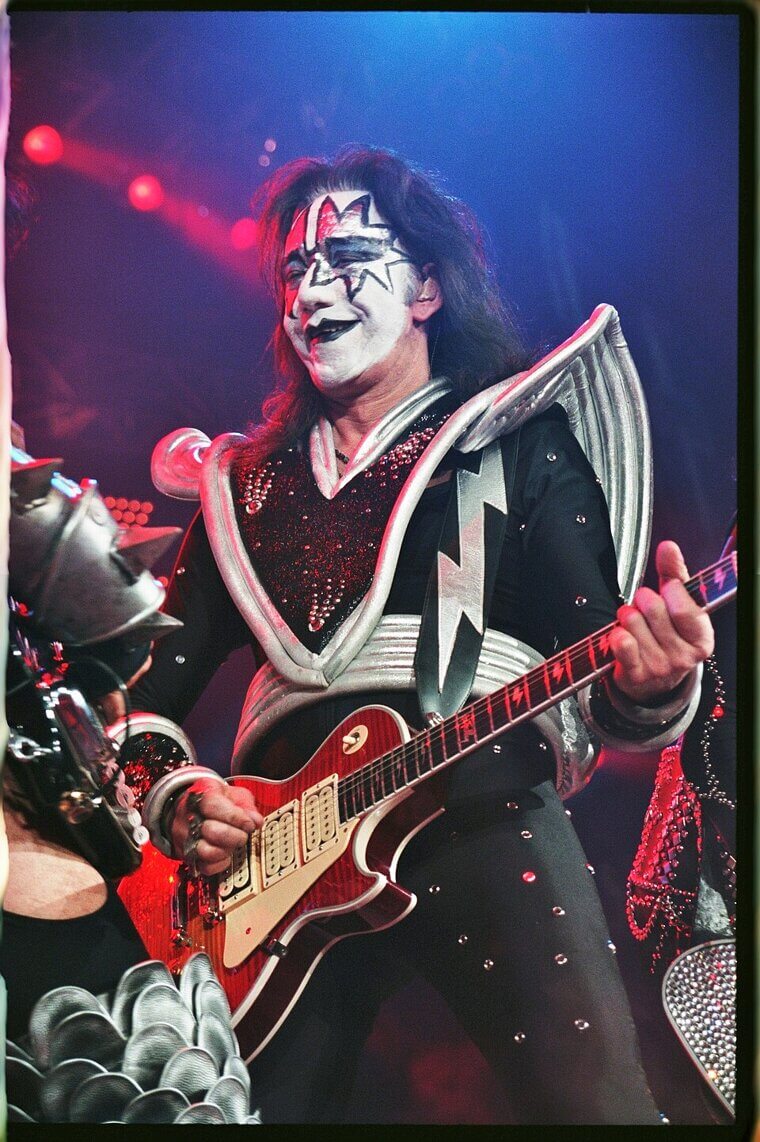
He parted ways with the group in 1982 to pursue other projects, forming his own successful hard rock outfit shortly after. He was inducted into the Rock and Roll Hall of Fame in 2014 alongside his original bandmates. Fans remember him for a laid-back attitude and a distinctive vibrato technique that elevated standard hard rock riffs into memorable anthems.
Sly Stone (Sly and the Family Stone)
Sylvester Stewart merged funk, soul, and rock to create a groundbreaking sound that became the anthem of the late 1960s and early 1970s. His vibrant wardrobe and dynamic performances reportedly captivated audiences at major festivals across the country, including a legendary late-night set at Woodstock in 1969. This pioneer allegedly broke down racial barriers in the music industry by forming 1 of the first fully integrated, mixed-gender bands. The group's 1971 album, There's a Riot Goin' On, showcased a darker, more complex musical direction that reflected the turbulent social climate of the era.
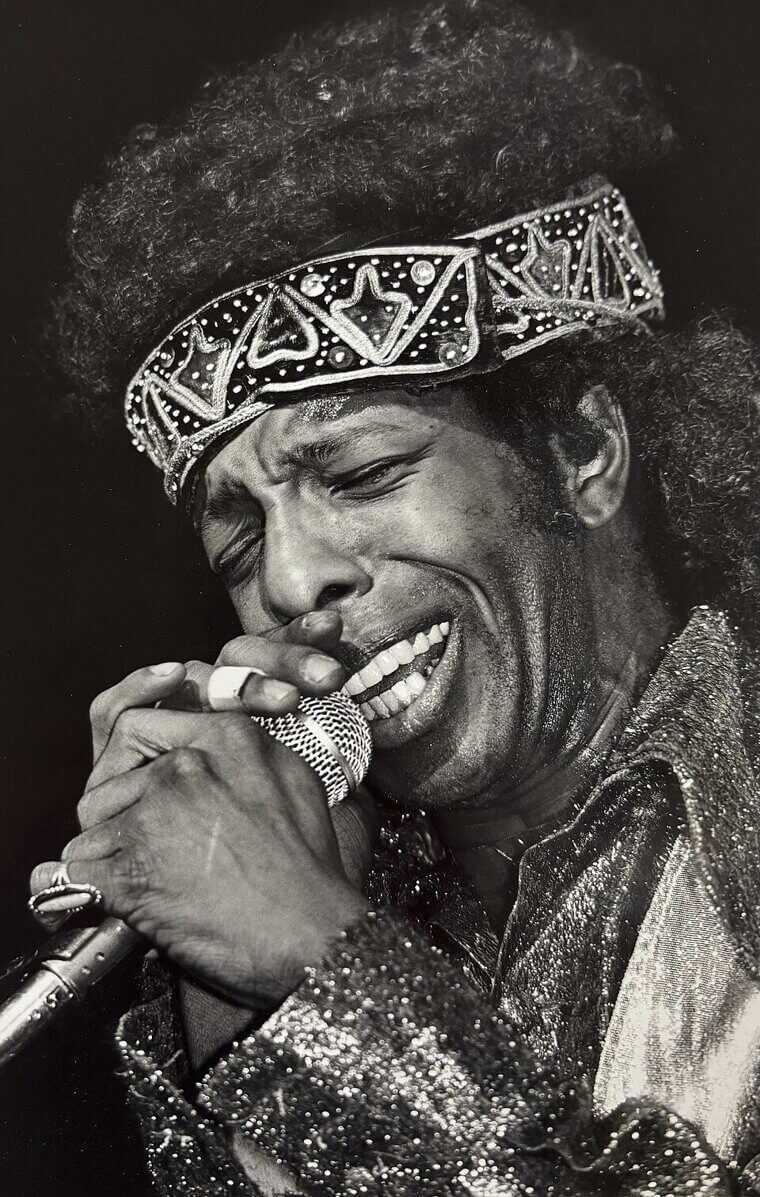
He retreated from the public eye for many years, struggling with personal issues and financial disputes. Despite his reclusive nature later in life, modern hip-hop and R&B producers frequently sample his extensive catalog to capture his signature groove.
Marianne Faithfull (Solo Artist)
With a distinctly raspy voice and a career spanning over 5 decades, this singer evolved from a pop sensation into a critically acclaimed interpreter of song. The artist reportedly collaborated with some of the biggest names in rock during the peak of the 1960s British Invasion, finding early fame with the hit As Tears Go By. This individual allegedly reinvented her sound multiple times, earning a dedicated cult following with her groundbreaking 1979 comeback album, Broken English.
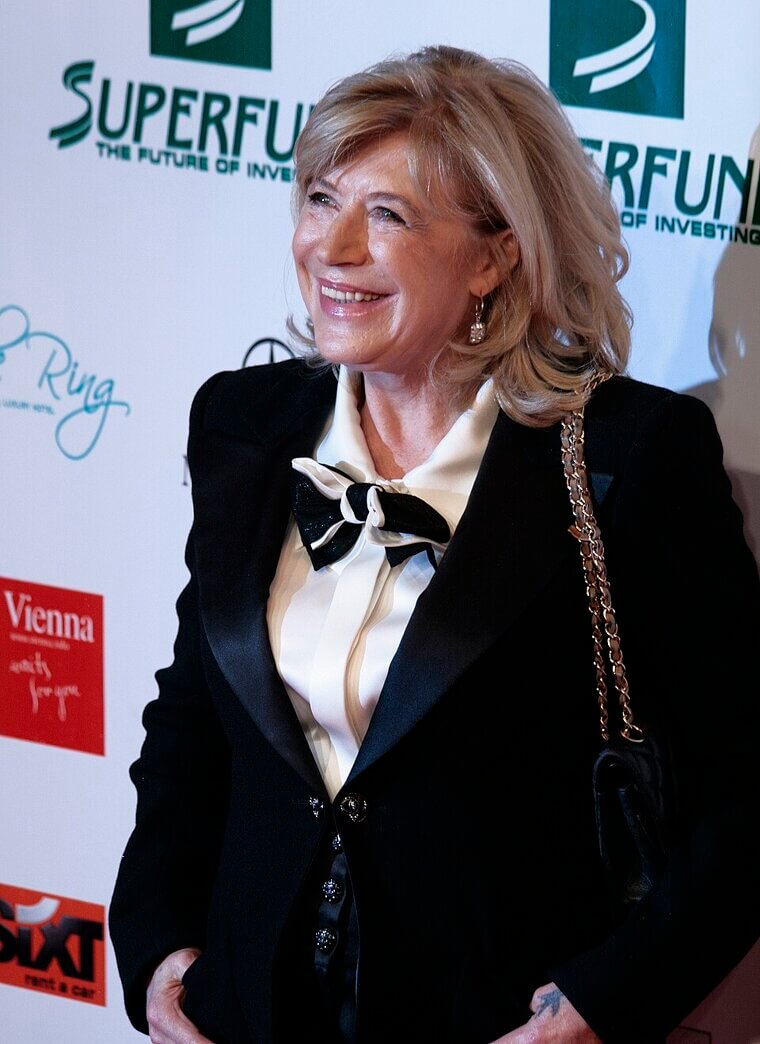
She seamlessly transitioned into acting, appearing in numerous films and stage productions while continuing to release acclaimed studio records. In 2007, she embarked on a massive world tour that proved her enduring appeal. Her autobiographies offer a candid look at surviving the excesses of the music industry and finding artistic redemption against all odds.
Roberta Flack (Solo Artist)
Known for smooth, emotive vocal deliveries, this artist dominated the R&B and pop charts with timeless ballads during the 1970s. The singer reportedly won Grammy Awards for Record of the Year in 2 consecutive years, a rare feat that cemented her status as a musical powerhouse. Her renditions of The First Time Ever I Saw Your Face and Killing Me Softly With His Song became massive global hits. She allegedly paved the way for future generations of soul and adult contemporary vocalists with her sophisticated piano arrangements.
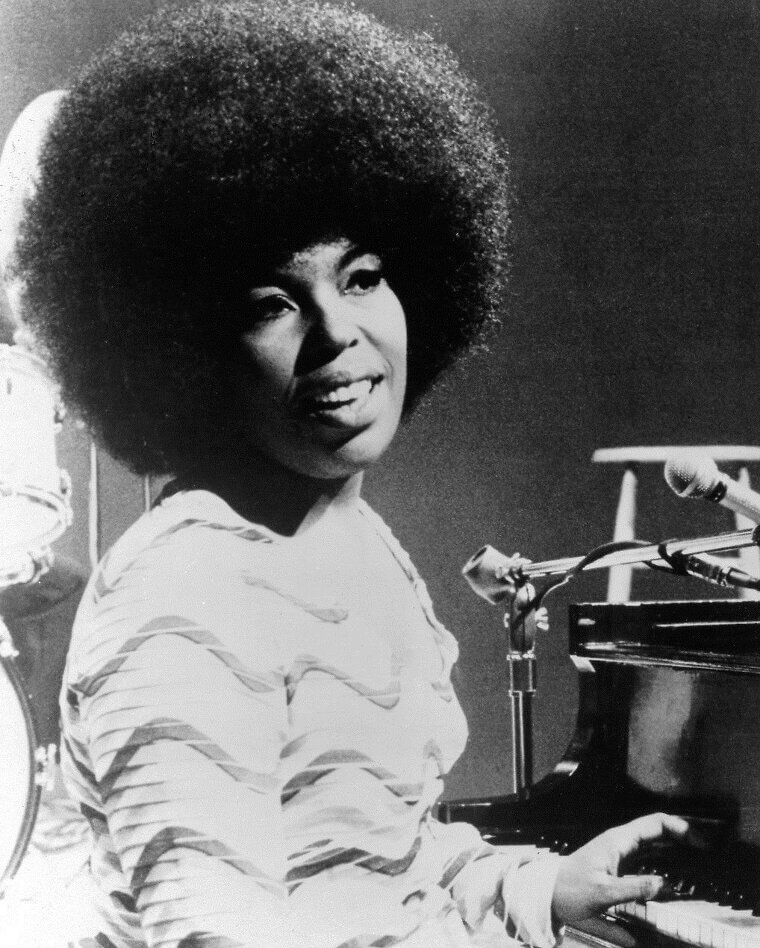
Raised in a musical family, she earned a music scholarship to Howard University at just 15 years old. She continued to perform and record well into her later years until a 2020 ALS diagnosis forced her to retire from singing publicly, though she remained active in music education.
Garth Hudson (The Band)
A master multi-instrumentalist, this Canadian artist provided the sonic foundation for a legendary group that blended folk, rock, and Americana. The musician reportedly utilized a vast array of keyboards and synthesizers to craft the signature, rustic sound heard on their landmark 1968 debut album. His classically trained background allegedly elevated the group's arrangements, bringing a level of sophistication rarely seen in roots rock. He famously charged his bandmates for music lessons to satisfy his parents' desire for him to be a teacher.
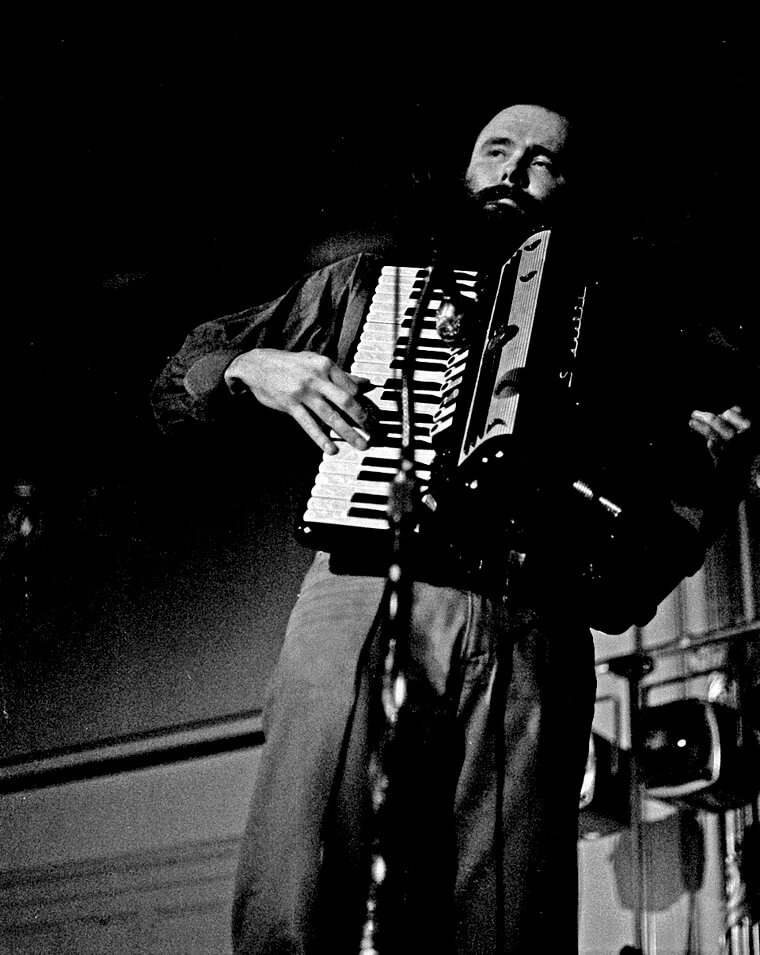
He remained a highly sought-after session player long after the original group disbanded, contributing to albums by numerous high-profile artists. He finally released his first solo album in 2001, showcasing his continued mastery of the Lowrey organ and his eccentric, improvisational playing style.
Sam Moore (Sam & Dave)
As 1 half of a legendary soul duo, this singer's energetic performances and gritty vocals helped define the classic Memphis sound of the 1960s. The duo's call-and-response style reportedly became a blueprint for countless R&B acts that followed in their footsteps. Hits like Soul Man and Hold On, I'm Comin' remain staples of classic soul radio stations worldwide. This artist allegedly continued to tour and perform well into his 80s, entertaining crowds globally with his powerful voice.
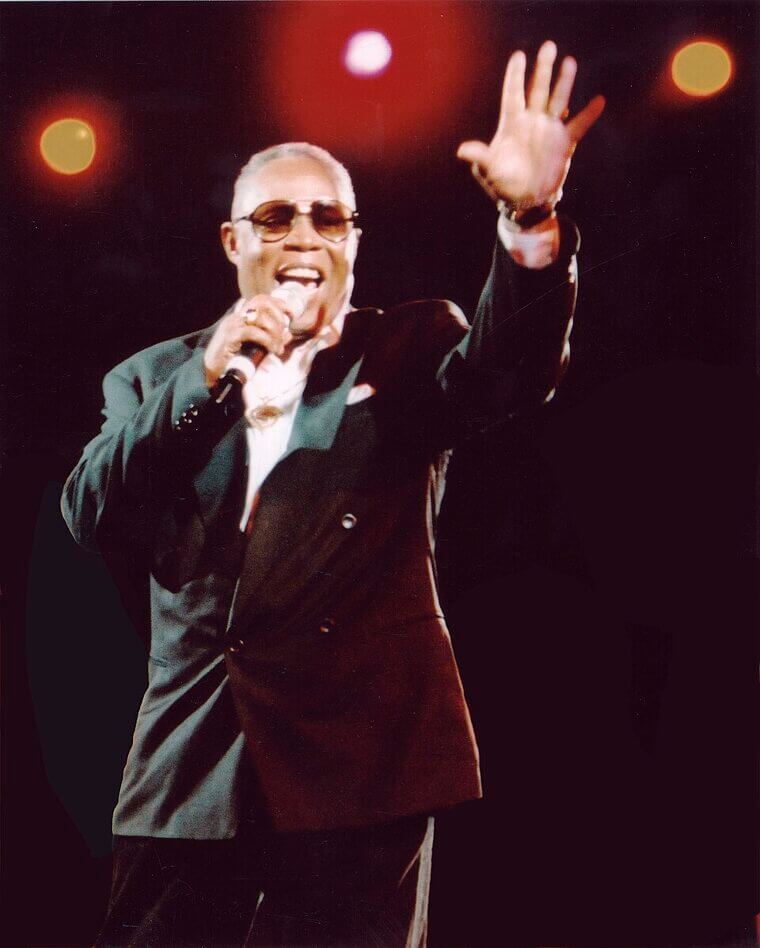
He released a well-received solo album in 2006 that featured collaborations with major rock and pop stars. He was inducted into the Rock and Roll Hall of Fame in 1992, recognizing his pivotal role in bringing Southern soul music to a mainstream pop audience during a highly competitive era.
David Johansen (New York Dolls)
This charismatic frontman helped lay the groundwork for the punk rock movement during the early 1970s with a raw, glamorous, and unapologetic style. The artist reportedly adopted various personas throughout his career, exploring genres from proto-punk to lounge music. He achieved unexpected mainstream commercial success in 1987 under the alter ego Buster Poindexter with a hit cover of Hot Hot Hot. This figure allegedly influenced the fashion and rebellious attitude of the 1980s glam metal scene.
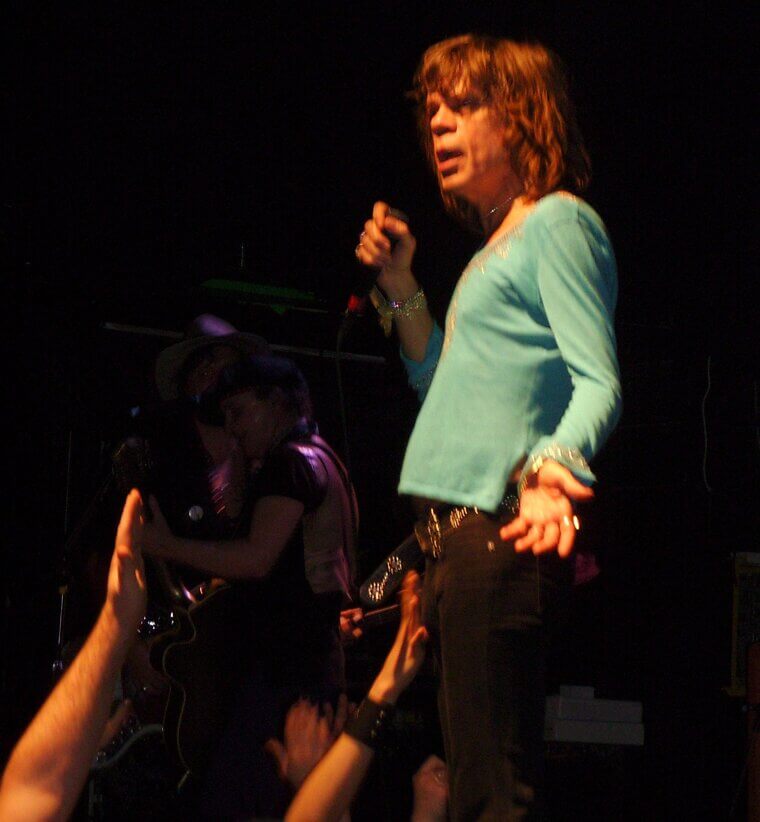
He also pursued a successful acting career, landing memorable roles in films like Scrooged and various television series. A native of Staten Island, he remained a quintessential figure in the downtown New York arts scene, continuing to perform and broadcast a popular satellite radio show dedicated to eclectic musical genres.
Clem Burke (Blondie)
A powerhouse drummer, this musician provided the driving beat behind some of the most iconic new wave and pop-punk hits of the late 1970s and 1980s. The artist reportedly drew inspiration from classic rock and roll drummers, bringing a frantic, Keith Moon-inspired energy to his band's polished pop sound. His rhythmic precision on tracks like Heart of Glass helped seamlessly blend rock elements with early disco. This individual allegedly sat in with numerous other famous bands throughout his career, including a brief stint touring with the Eurythmics in 1989.
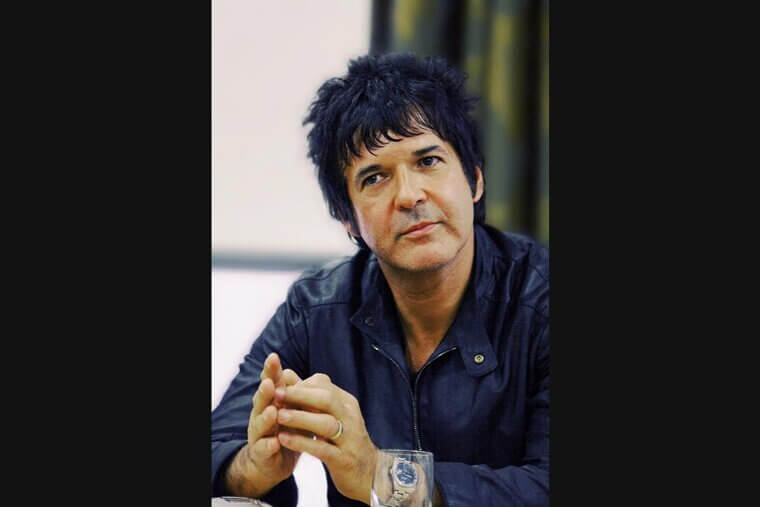
He was inducted into the Rock and Roll Hall of Fame in 2006. Beyond performing, he actively participated in scientific studies analyzing the physical demands of playing the drums, proving that professional drummers expend energy comparable to elite athletes.
Dave Bargeron (Blood Sweat & Tears)
This versatile horn player was instrumental in blending complex jazz arrangements with mainstream rock and pop during the 1970s. The musician reportedly contributed intricate brass sections that elevated his group's hits above standard radio fare. He joined the pioneering jazz-rock ensemble in 1970, providing memorable trombone and tuba parts on multiple successful albums. This artist allegedly played a key role in the band's most commercially viable era, bringing a classical precision to their live performances.
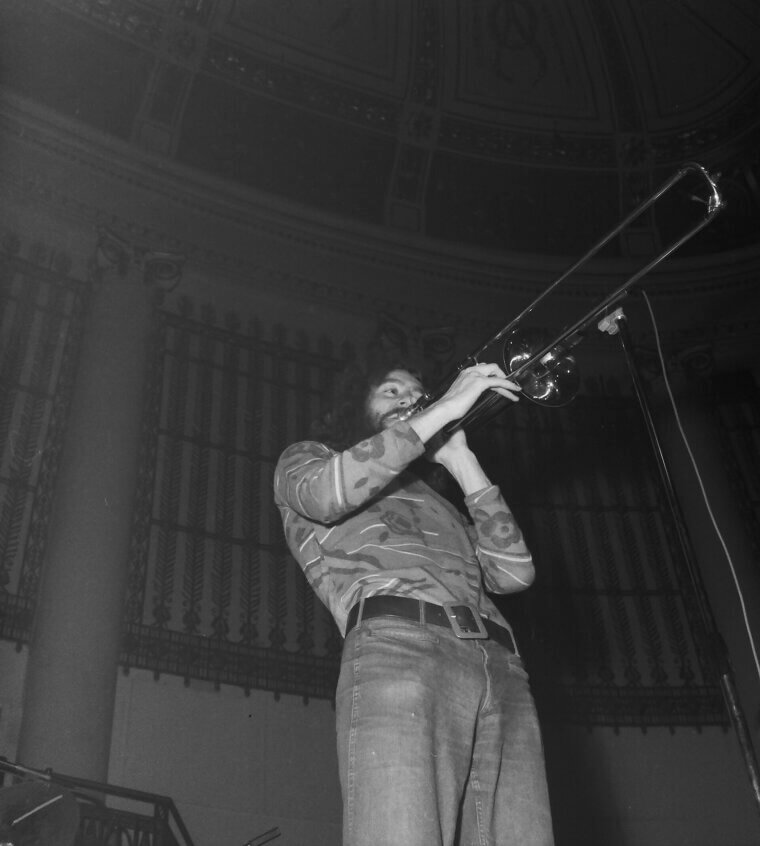
After leaving the rock world, he became a highly respected session musician and joined the prestigious Gil Evans Orchestra. He spent the 1990s and 2000s touring internationally with various jazz ensembles, proving his remarkable adaptability across multiple challenging musical genres. His technical proficiency remains highly regarded among brass playing communities.
Mike Ratledge (Soft Machine)
A founding member of a pioneering progressive rock group, this keyboardist was known for experimental sounds and intricate compositions during the late 1960s Canterbury scene. The musician reportedly pushed the boundaries of what was possible with early synthesizers and electronic effects, utilizing a distinctive fuzz organ tone. He was the longest-lasting original member of the band, guiding their transition from psychedelic pop to complex jazz fusion. This individual allegedly retired from the mainstream music industry relatively early in 1976 to pursue other interests.
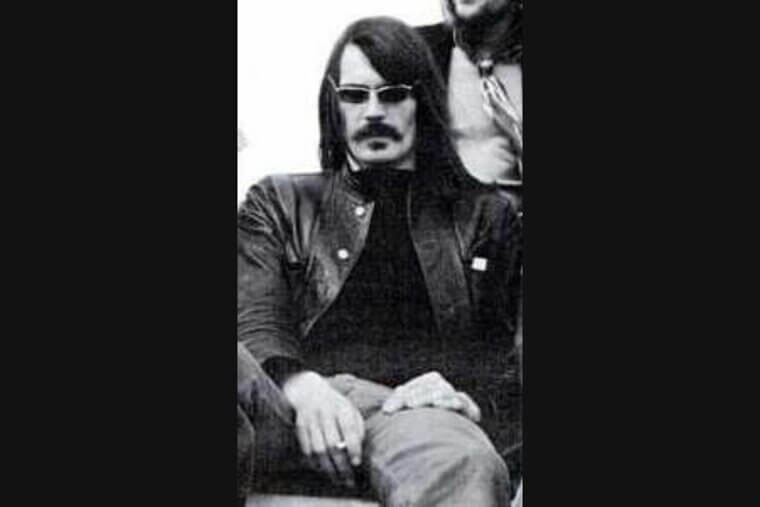
He later found massive success composing music for television commercials and co-creating the globally successful Adiemus project in 1995. His innovative approach to keyboard soloing inspired a generation of progressive rock and fusion players who sought to expand the instrument's sonic capabilities.
Dave Jerden (Producer (Alice In Chains, RHCP))
An acclaimed producer and engineer, this individual shaped the heavy, alternative sound of the 1990s by working with some of the decade's biggest rock acts. The producer reportedly had a knack for capturing the raw, live energy of bands in a controlled studio setting. He helped define the distinctive Seattle grunge sound by producing the breakthrough 1990 album Facelift, pushing the band to embrace their darkest impulses. This figure allegedly turned down numerous lucrative offers to work only on projects he felt passionate about.
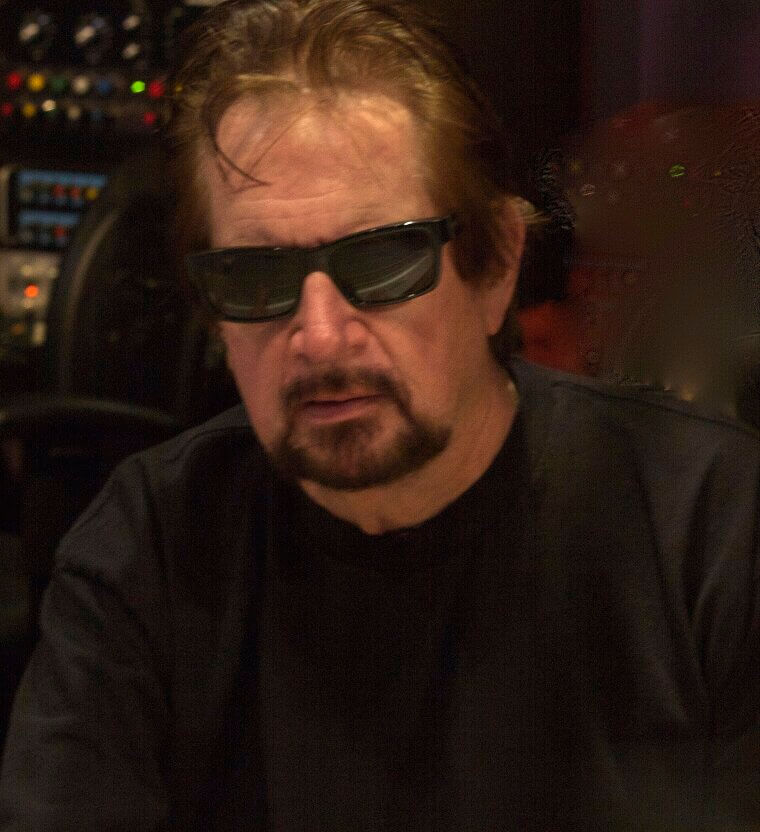
He was known for utilizing vintage recording equipment to achieve a warm, gritty tone that stood out against the heavily synthesized pop music of the era. His meticulous engineering techniques remain a frequent topic of study for modern audio production students.
Jamie Muir (King Crimson)
This innovative percussionist brought a wild, avant-garde approach to 1 of progressive rock's most technically proficient bands during the early 1970s. The musician reportedly utilized unconventional items on stage, from sheet metal to chains and children's toys, to create unique rhythmic textures. His frantic, unpredictable live performances added a chaotic energy to the group's acclaimed 1973 album Larks' Tongues in Aspic. This artist allegedly left the music world abruptly to dedicate his life to spiritual pursuits, living in a Scottish Buddhist monastery for several years.
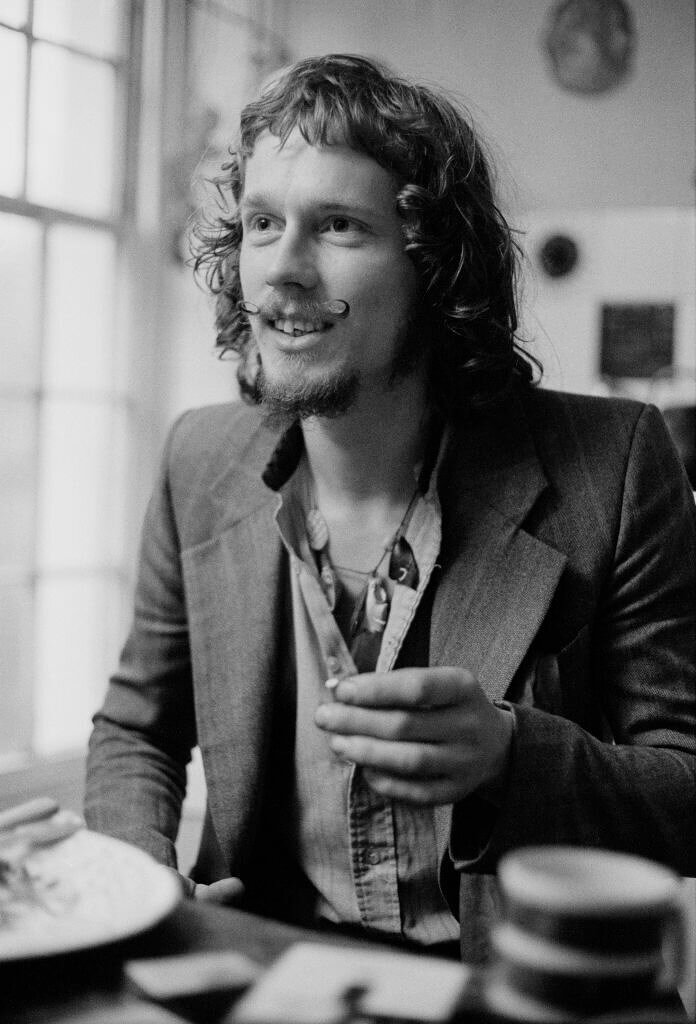
He eventually returned to the public eye as a dedicated painter, exhibiting his abstract artwork in various galleries. Fans and fellow musicians continue to celebrate his brief but highly influential tenure in the progressive rock sphere as a moment of pure creative brilliance.
Rick Buckler (The Jam)
Providing the rhythmic backbone for a quintessential UK mod revival band, this drummer's fast-paced style perfectly matched the group's energetic punk anthems. The musician reportedly played a crucial role in the band's tight, aggressive live performances that captivated youth audiences throughout the late 1970s and early 1980s. Hits like A Town Called Malice highlighted his ability to blend punk aggression with Motown-inspired grooves. Following the band's sudden split in 1982, he formed the group Time UK before eventually stepping away from performing.
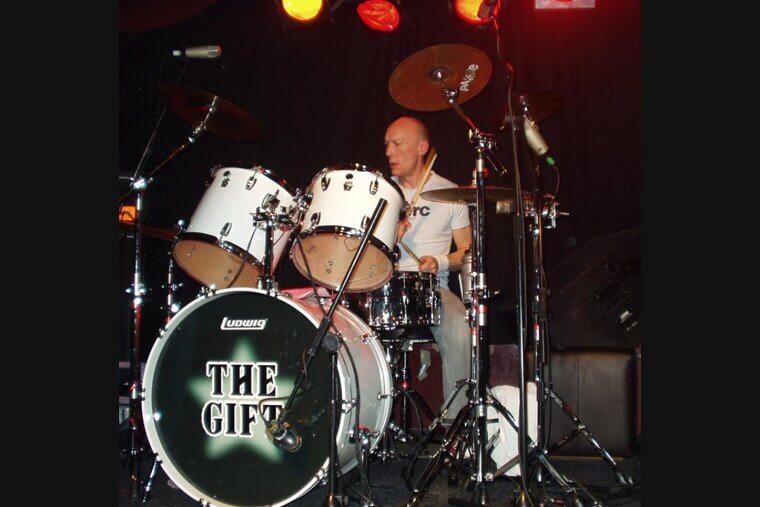
This individual allegedly continued to manage and promote new talent after his original group's dissolution. He later released a comprehensive autobiography in 2015, detailing his experiences at the height of the British punk movement and hosting popular drum clinics across the country.
Chris Jasper (The Isley Brothers)
A key songwriter and keyboardist, this artist helped transition a classic R&B group into a funk and disco powerhouse during the 1970s. The musician reportedly penned and arranged several of the band's biggest crossover hits, ensuring their relevance across multiple decades. His pioneering use of synthesizers and clavinets became a defining element of their acclaimed 3 + 3 album era. In 1984, he splintered off to form a successful trio with 2 other band members, scoring a massive number 1 hit with Caravan of Love.
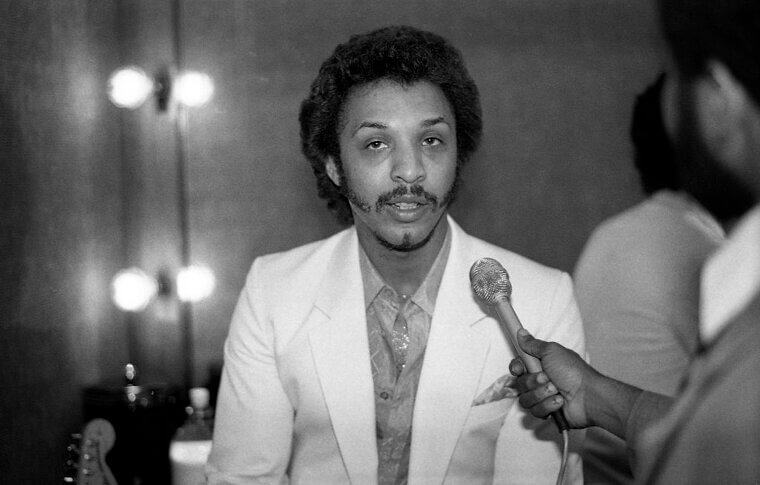
This talent allegedly released successful solo gospel and R&B material that further showcased his lush production skills. He was inducted into the Rock and Roll Hall of Fame in 1992, cementing his legacy as a brilliant composer and arranger.
Joey Molland (Badfinger)
As a core member of a tragic but brilliant power-pop band, this guitarist contributed to hit songs that have become enduring rock classics since the early 1970s. The musician reportedly fought tirelessly to keep the band's legacy alive despite numerous legal battles and personal setbacks that plagued the original lineup. He played a significant role on their smash hits No Matter What and Day After Day, and even performed at the historic 1971 Concert for Bangladesh.
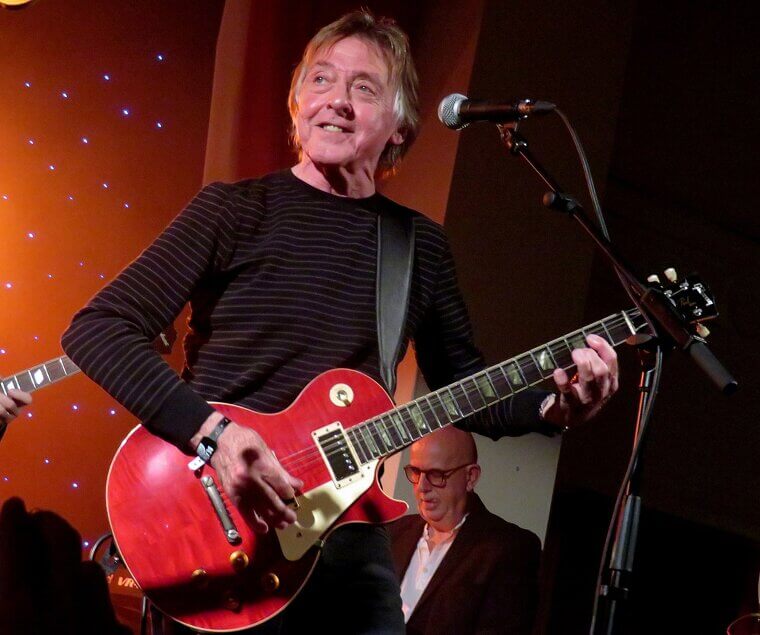
This artist allegedly continued to tour under the band's name for decades, bringing their melodic guitar pop to new generations of fans. Originating from Liverpool, he released multiple solo albums starting in 1983 and remained an active participant in various Beatles-related tribute tours and conventions worldwide.
Roy Ayers (Solo Artist)
This vibraphonist and composer is widely regarded as a pioneer of jazz-funk and a massive influence on the 1990s acid jazz movement. The musician's extensive 1970s catalog has reportedly been sampled countless times by hip-hop producers, introducing his smooth sound to younger audiences. His iconic 1976 track Everybody Loves the Sunshine remains an enduring summer anthem characterized by its laid-back groove and distinct synthesizer parts. This individual allegedly maintained a rigorous touring schedule throughout his long career, known for highly energetic and improvisational live shows.
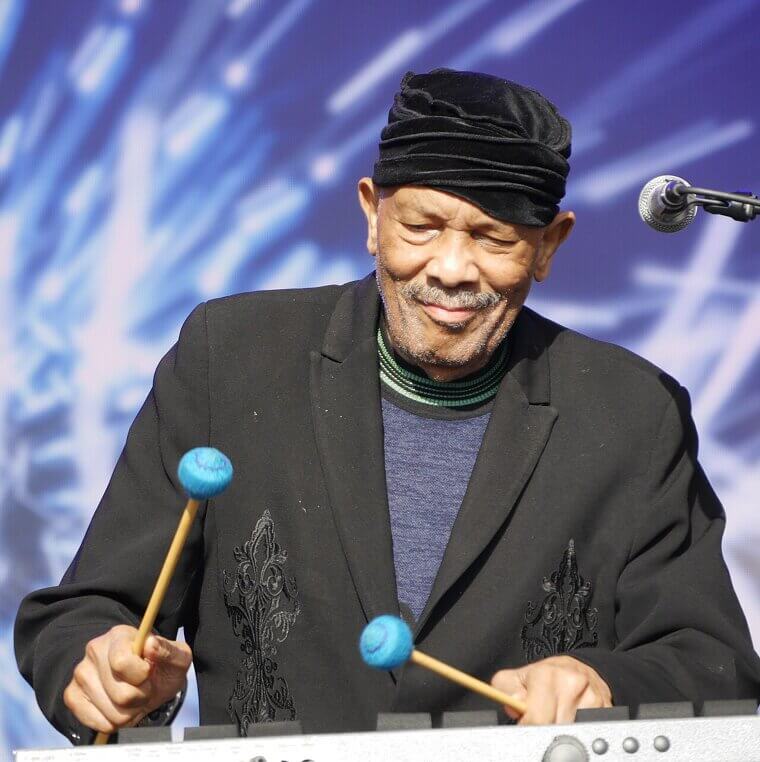
He successfully bridged the gap between traditional jazz instrumentation and modern dance floor rhythms. Music historians frequently credit him as a crucial link connecting the soulful jazz era to the birth of modern hip-hop production.
Brian James (The Damned)
A founding member and primary songwriter of an influential British punk band, this guitarist was known for a fast, aggressive playing style. The artist reportedly wrote and released the genre's first recognized UK single, New Rose, in 1976, securing his place in underground music history. His frantic chord progressions set the initial template for the explosive London punk scene. After leaving the group in 1978, this figure allegedly formed several other notable bands in the post-punk and gothic rock eras, including The Lords of the New Church.
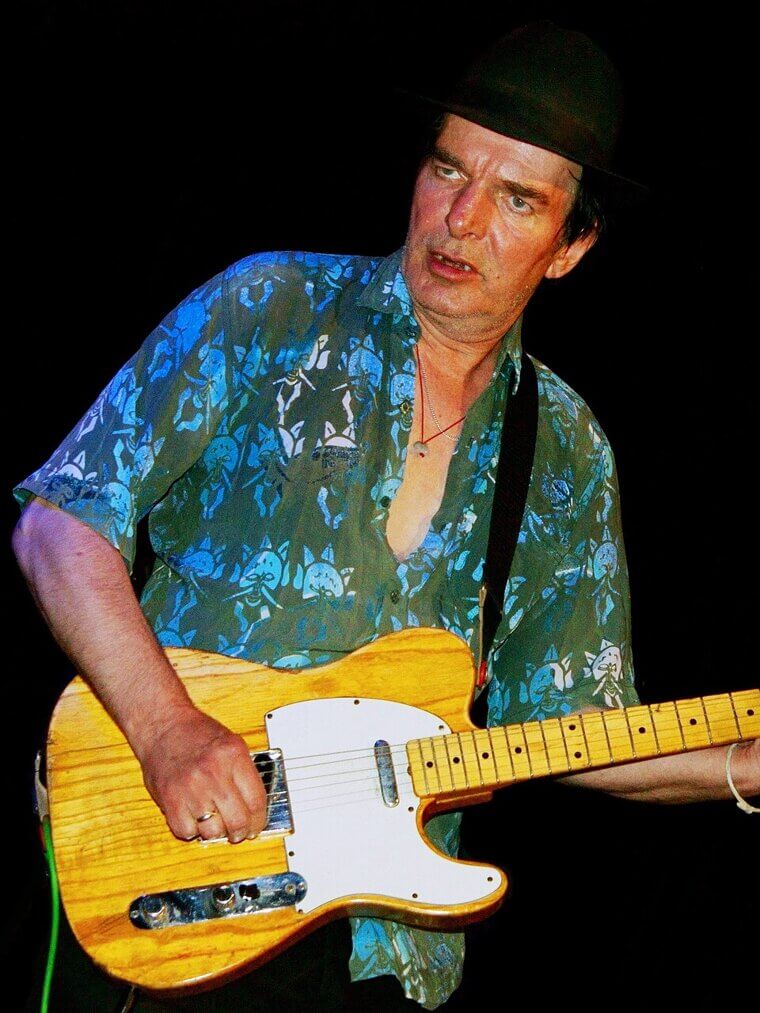
He maintained a prolific solo career starting in 1990, consistently releasing gritty rock records. His early contributions remain highly respected among punk purists who value his uncompromising approach to raw, high-speed guitar music.
Kimble Rendall (Hoodoo Gurus)
This rhythm guitarist helped found a beloved Australian rock band in 1981, known for their catchy pop melodies and quirky lyrical themes. The musician reportedly played a key role in shaping their early, high-energy live sound before leaving the group in 1982 to pursue other artistic passions. He successfully transitioned into a career in the film and television industry, working as a highly regarded music video director and second unit director for major Hollywood blockbusters.
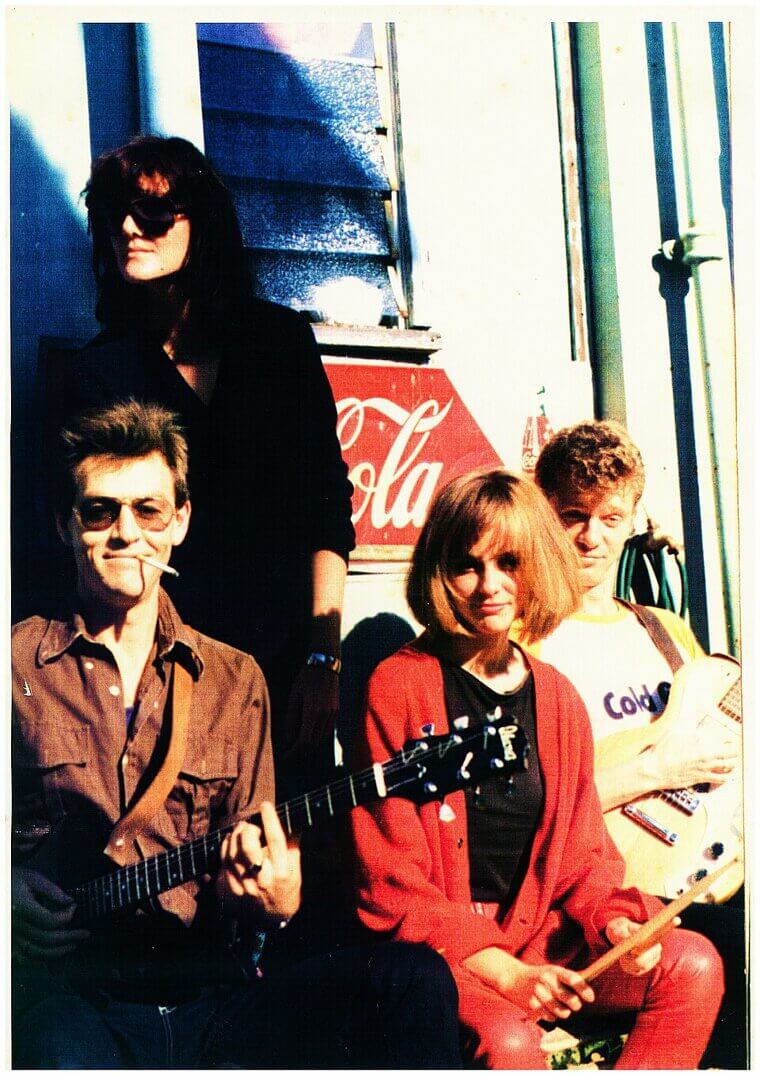
This artist allegedly remained a respected figure in the vibrant Sydney independent arts scene. He directed the 2000 slasher film Cut and achieved international box office success with the 2012 thriller Bait 3D. His ability to succeed in 2 distinctly different creative industries highlights his diverse talents.
Dave Allen (Gang Of Four)
This bassist was a founding member of a highly influential post-punk band, known for their jagged, funk-inflected sound that emerged in the late 1970s. The musician's distinct, rhythmic bass lines reportedly served as the funky foundation for the group's politically charged anthems on their landmark 1979 album Entertainment!. His playing style heavily inspired the dance-punk revival of the early 2000s. After departing the band in 1981, he formed the successful group Shriekback, continuing to explore bass-driven dance music.
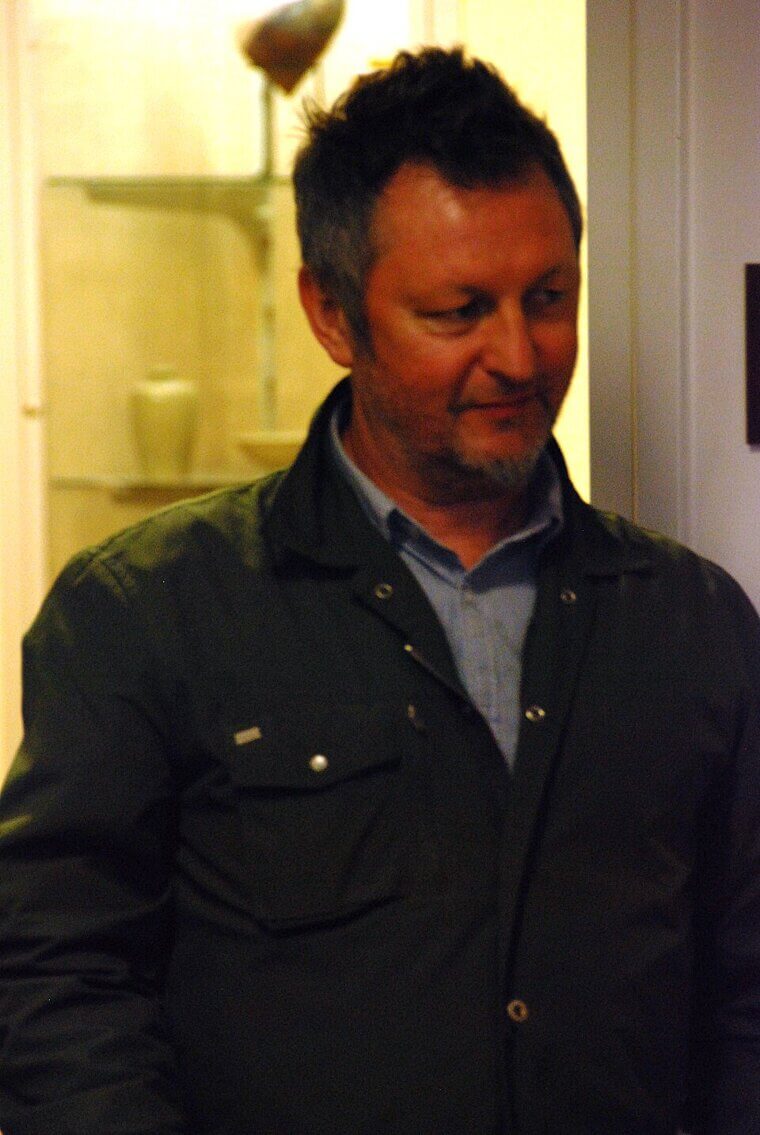
This individual allegedly went on to manage other successful artists and launch pioneering digital music ventures during the 1990s tech boom. He also worked extensively as an educator, sharing his vast knowledge of the evolving music business landscape with university students.
Roy Thomas Baker (Producer (Queen, The Cars))
A legendary producer, this figure was instrumental in crafting the grandiose, multi-layered sound of 1 of rock's most theatrical bands during the 1970s. The producer reportedly pioneered intricate vocal overdubbing techniques that resulted in some of the most famous choruses in music history, including the 1975 masterpiece Bohemian Rhapsody. His meticulous studio methods involved pushing tape machines to their absolute limits to capture massive sonic textures. This talent allegedly worked across various genres, bringing a polished, larger-than-life quality to highly successful albums by The Cars and Journey.
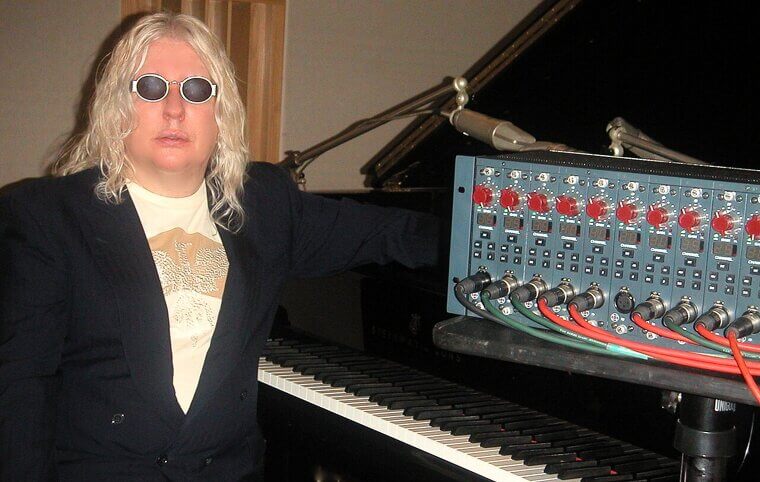
In the 2000s, he continued to lend his expertise to modern alternative rock bands like The Smashing Pumpkins. His name remains synonymous with the excesses and triumphs of classic rock studio production.
Bob Andrews (Brinsley Schwarz)
This keyboardist was a vital part of the 1970s pub rock scene, bringing a soulful, roots-oriented sound to the numerous bands he played with. The musician reportedly influenced the back-to-basics approach that preceded the punk rock explosion in the UK, helping to strip away the grandiosity of progressive rock. Following the dissolution of his primary band in 1975, he became a founding member of The Rumour, serving as the backing band for several acclaimed singer-songwriters.
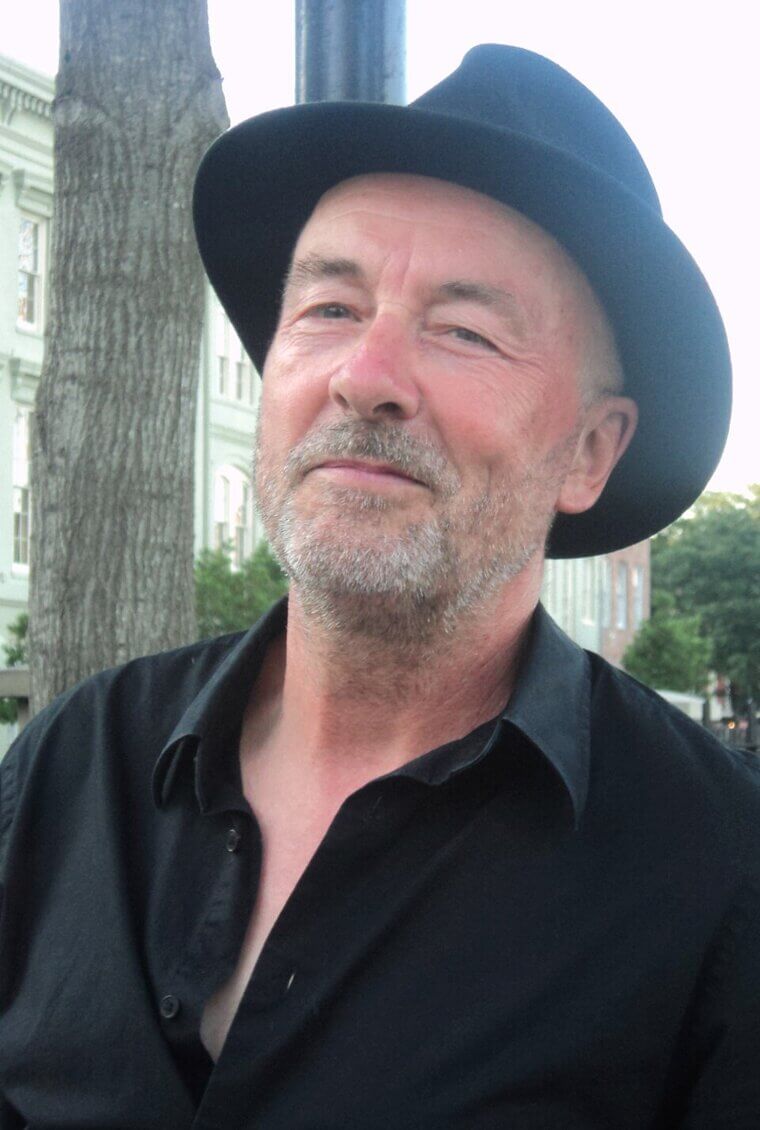
This artist allegedly became an in-demand session player and producer for a wide variety of rock and pop acts. He eventually relocated to New Orleans, where he immersed himself in the local R&B culture and continued to perform live, showcasing his deep love for traditional American roots music.
Douglas McCarthy (Nitzer Ebb)
As the intense and energetic frontman of an electronic body music pioneering act, this singer commanded stages with a remarkably powerful presence. The artist reportedly blended harsh, minimalist electronic beats with aggressive, shouted vocals to create a sound that filled alternative dance floors worldwide starting in 1982. The group's 1987 album That Total Age remains a definitive masterpiece of the industrial genre, featuring the iconic club hit Join in the Chant.
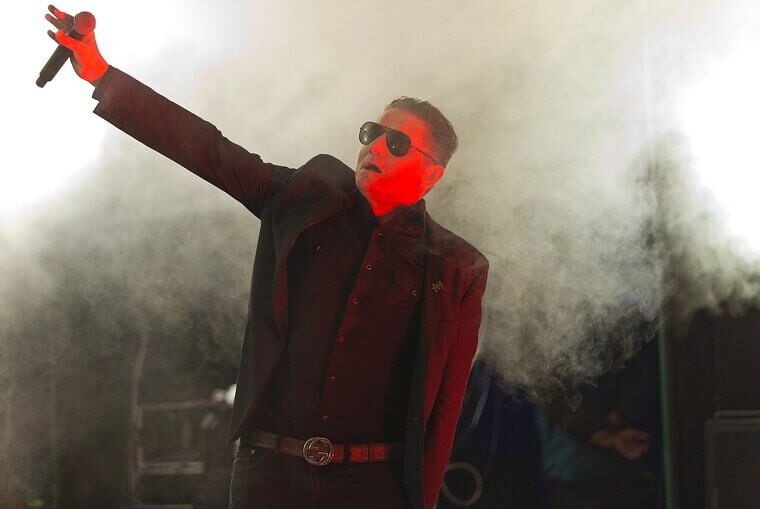
This figure allegedly influenced an entire generation of darkwave and techno artists with his militaristic stage aesthetics and relentless energy. After the band's initial split in 1995, he pursued various collaborations and video production work before triumphantly reuniting with his bandmates in 2006 for a series of highly successful global reunion tours.
Honest John Plain (The Boys)
This guitarist was a key component of a pioneering 1976 punk band that combined infectious, Beatles-esque pop sensibilities with raw, buzzing energy. The musician reportedly co-wrote many of the group's catchy anthems that perfectly captured the rebellious spirit of late-1970s youth culture. Despite lacking the mainstream commercial success of their peers, his band became massively influential in the development of the global power pop genre. Following their initial breakup in 1980, this individual allegedly maintained a steady musical career, forming The Crybabys in the 1990s and collaborating with numerous rock veterans.
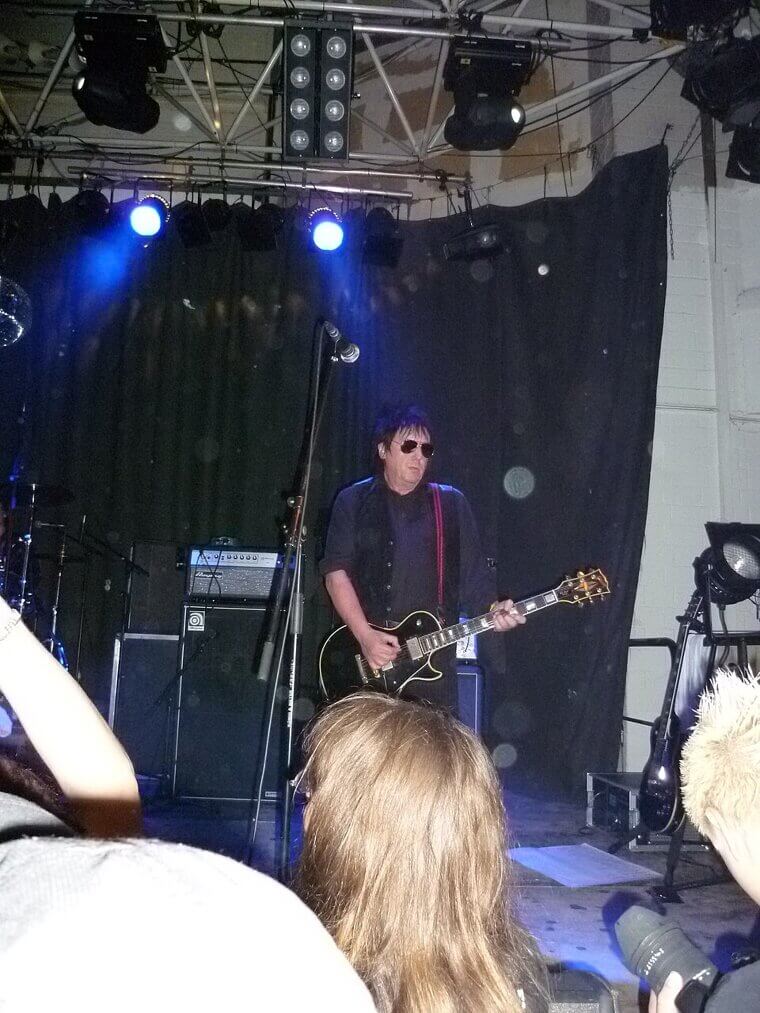
He recorded multiple solo acoustic albums that highlighted his knack for traditional songwriting. His signature chord progressions are still emulated by modern garage rock bands seeking that classic pop-punk sound.
Mick Ralphs (Mott The Hoople, Bad Company)
A foundational guitarist for 2 major classic rock bands, this musician is responsible for writing some of the most recognizable riffs of the 1970s. The artist's blues-based playing style reportedly influenced countless hard rock guitarists who followed in his footsteps. He found early fame in 1969 before forming a massive arena rock supergroup in 1973, penning smash hits like Can't Get Enough and Feel Like Makin' Love. This talent allegedly reunited with his former bandmates for highly successful anniversary tours later in life, proving the timeless appeal of his songwriting.
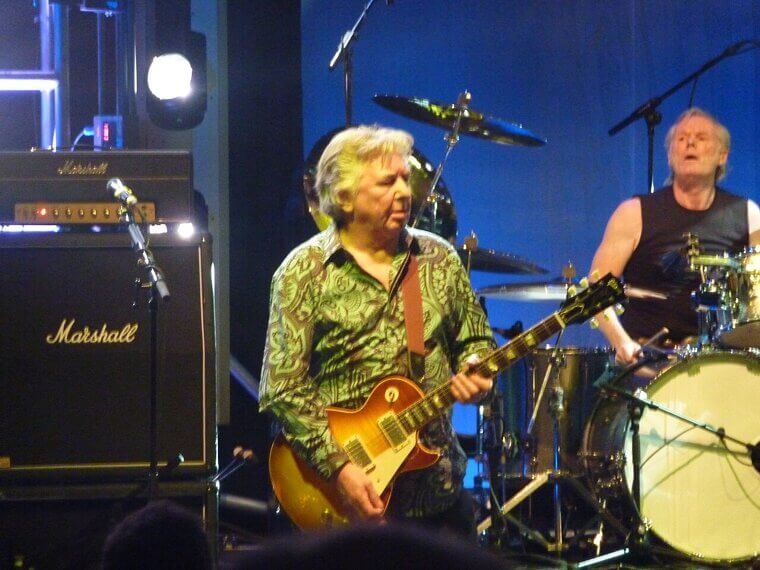
He unfortunately suffered a severe stroke in 2016 that effectively ended his public performing career. Fans continue to celebrate his ability to craft memorable, melodic guitar solos without relying on flashy overplaying.
Terry Reid (Solo Artist)
Known as a singer's singer, this artist possessed a phenomenal, soulful voice and famously turned down offers to front several legendary rock bands in 1969. The musician reportedly opted for a solo career that, while less commercially successful, earned immense respect from his peers across the industry. His 1973 album River is widely considered a forgotten masterpiece of folk-rock and blue-eyed soul. This individual's songs have allegedly been covered by a wide array of prominent artists spanning multiple genres.
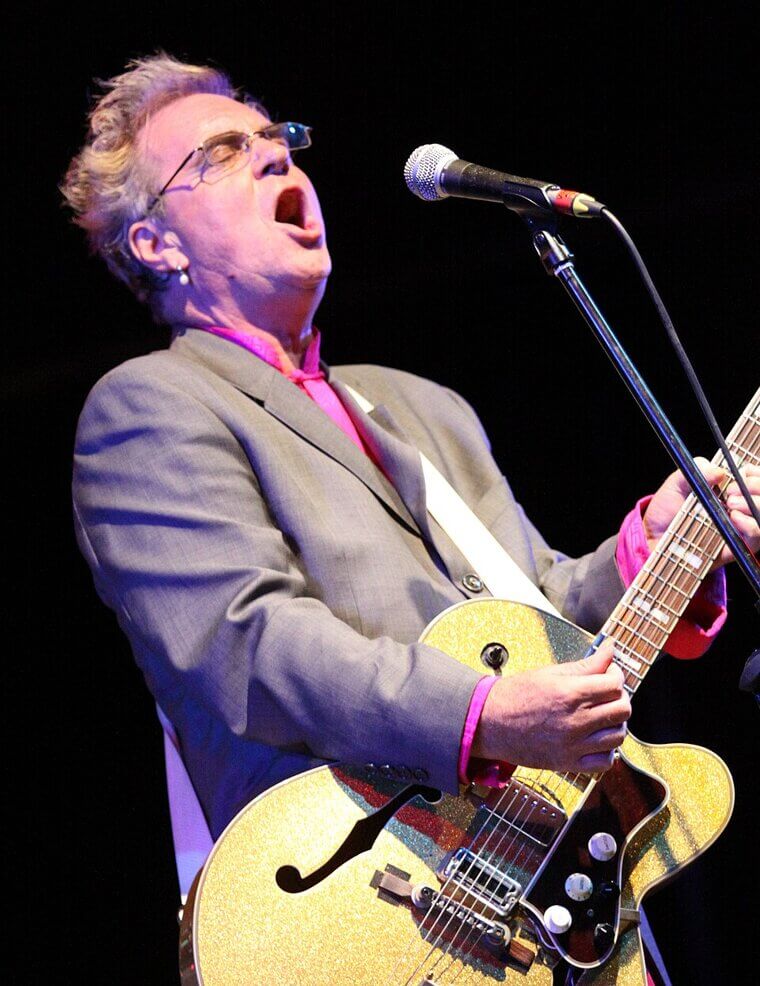
He became a highly sought-after session vocalist during the 1990s, lending his distinct tone to various high-profile projects. Despite missing out on stadium-level fame, his nickname Superlungs remains a fitting tribute to his astonishing vocal range and enduring cult status.
Bobby Whitlock (Derek And The Dominos)
This keyboardist and vocalist played a crucial role in a short-lived but legendary blues-rock supergroup formed in 1970. The musician reportedly co-wrote many of the songs on the band's solitary, highly acclaimed studio album, Layla and Other Assorted Love Songs. His impassioned vocal harmonies provided the perfect counterpoint to the group's legendary guitar melodies. Following the band's rapid dissolution, he released several well-received solo records in 1971 before fading from the mainstream spotlight.
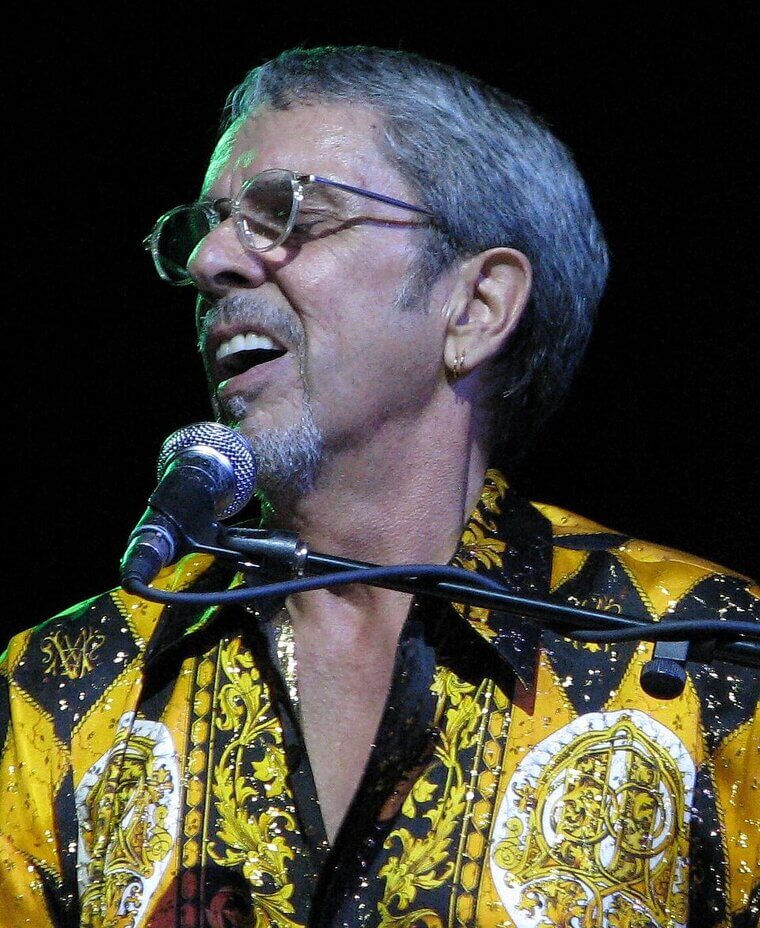
This artist allegedly contributed to numerous classic rock albums as an uncredited session player throughout the 1970s. He eventually resurfaced in the late 1990s, forming a musical duo with his wife and frequently performing intimate acoustic shows. He also published a revealing autobiography detailing his wild experiences in the classic rock era.
Bob Weir (Grateful Dead)
A founding member and rhythm guitarist of an iconic 1965 jam band, this musician was known for intricate chord voicings and a unique vocal style. The artist reportedly played thousands of live shows over 5 decades, helping create a dedicated community of fans that traveled the world to see them. He wrote or co-wrote many of the group's most enduring concert staples, releasing his acclaimed solo debut Ace in 1972.
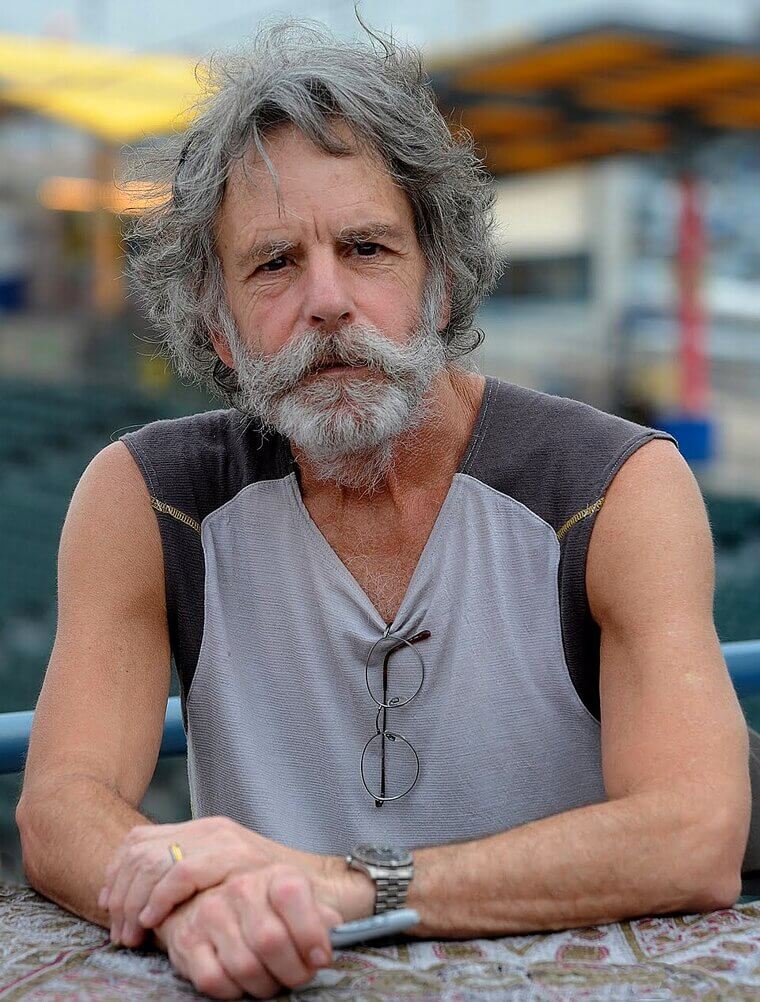
Following the passing of his famous bandmate in 1995, this figure allegedly continued to perform the extensive catalog with various spin-off groups, including RatDog and Dead & Company. He was honored with a lifetime achievement award for his tireless dedication to live music. His innovative approach to rhythm guitar remains highly influential in the jam band community.
Sly Dunbar (Sly and Robbie)
As 1 half of a legendary rhythm section, this drummer helped define the modern sound of reggae and dancehall music starting in 1975. The musician reportedly revolutionized the genre by incorporating electronic drums, synthesizers, and innovative digital production techniques. His infectious grooves propelled hits for artists ranging from Grace Jones in the 1980s to Chaka Demus & Pliers in the 1990s. This talent allegedly produced and played on an estimated 200,000 tracks throughout his prolific career, earning the nickname the Riddim Twin.
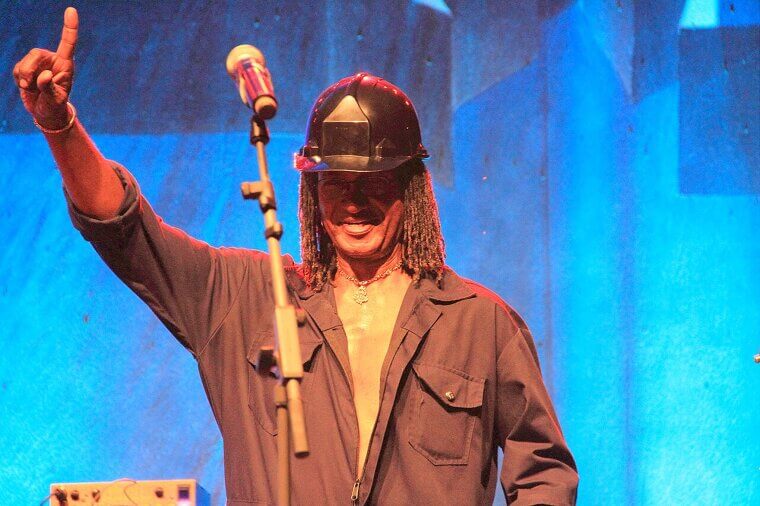
He won multiple Grammy Awards for his contributions to world music and reggae. His relentless work ethic and willingness to embrace new studio technologies made him a foundational pillar of the Jamaican music industry for over 4 decades.
Michael '5000' Watts (Swishahouse Records)
This influential DJ and producer was a key figure in the late 1990s regional hip-hop scene, known for popularizing a signature slowed-down and remixed musical style. The artist reportedly founded an independent label in 1997 that launched the careers of several major rap stars during the 2000s. His mixtapes became legendary street classics, ultimately leading to major label distribution deals and massive mainstream success with hits like Still Tippin'. This individual allegedly played a major role in popularizing Houston hip-hop culture nationwide, bringing regional slang and aesthetics to the forefront of the industry.
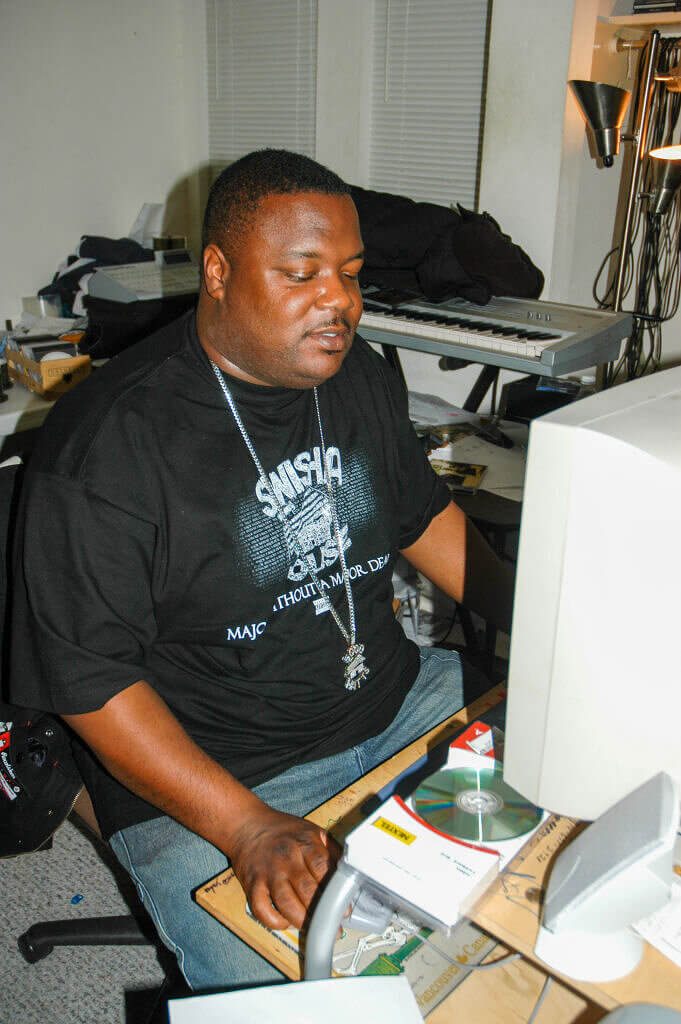
He maintained a strong presence in his community, frequently hosting local radio shows and mentoring up-and-coming talent. His unique production techniques continue to influence modern rap and R&B artists today.
Willie Colón (Solo Artist)
A legendary trombonist and bandleader, this musician was a pioneer of the salsa movement that originated in New York during the late 1960s. The artist reportedly blended traditional Latin rhythms with jazz, rock, and sharp social commentary, creating a powerful new sound that resonated with urban youth. His 1978 collaborative album Siembra remains 1 of the best-selling salsa records of all time. This figure allegedly collaborated with some of the most famous vocalists in the history of Latin music, serving as a key member of the Fania All-Stars.
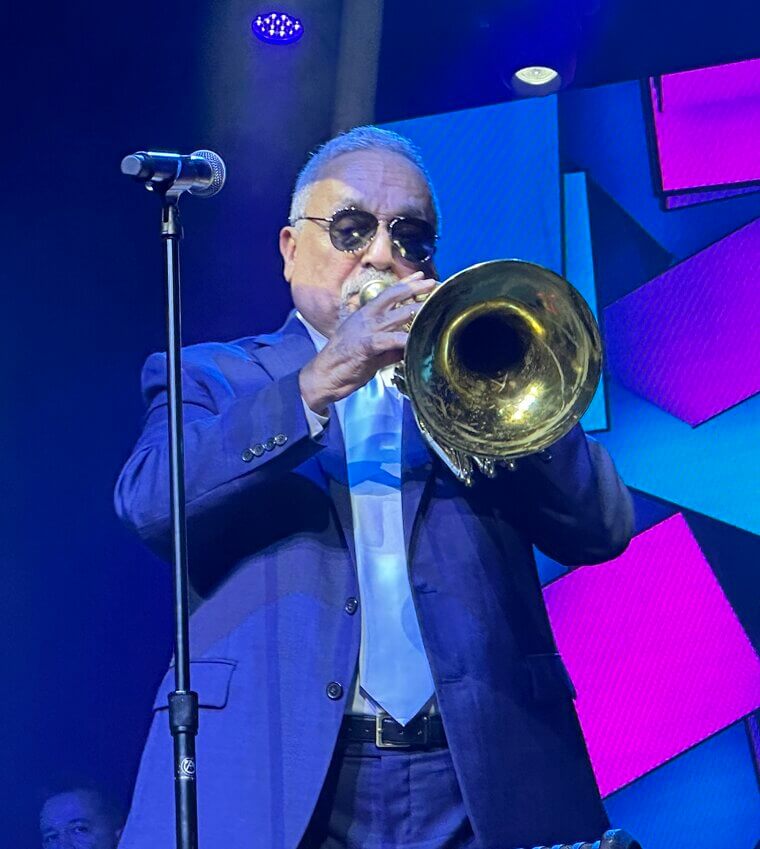
Beyond music, he became highly involved in politics and social activism during the 1990s, advocating for civil rights in the Bronx. His gritty, street-smart musical arrangements revolutionized tropical music for generations to come.
Bonnie Tyler (Solo Artist)
This singer-songwriter captivated audiences with her distinctively raspy voice and dramatic, power-ballad anthems that dominated the 1980s. The artist reportedly topped charts globally in 1983 with the operatic rock smash Total Eclipse of the Heart, cementing her as an enduring icon of pop and rock music. She originally broke through in 1977 with the country-tinged hit It's a Heartache, proving her stylistic versatility. This individual allegedly continued to tour and record relentlessly, maintaining a fiercely loyal international fanbase across Europe and beyond.
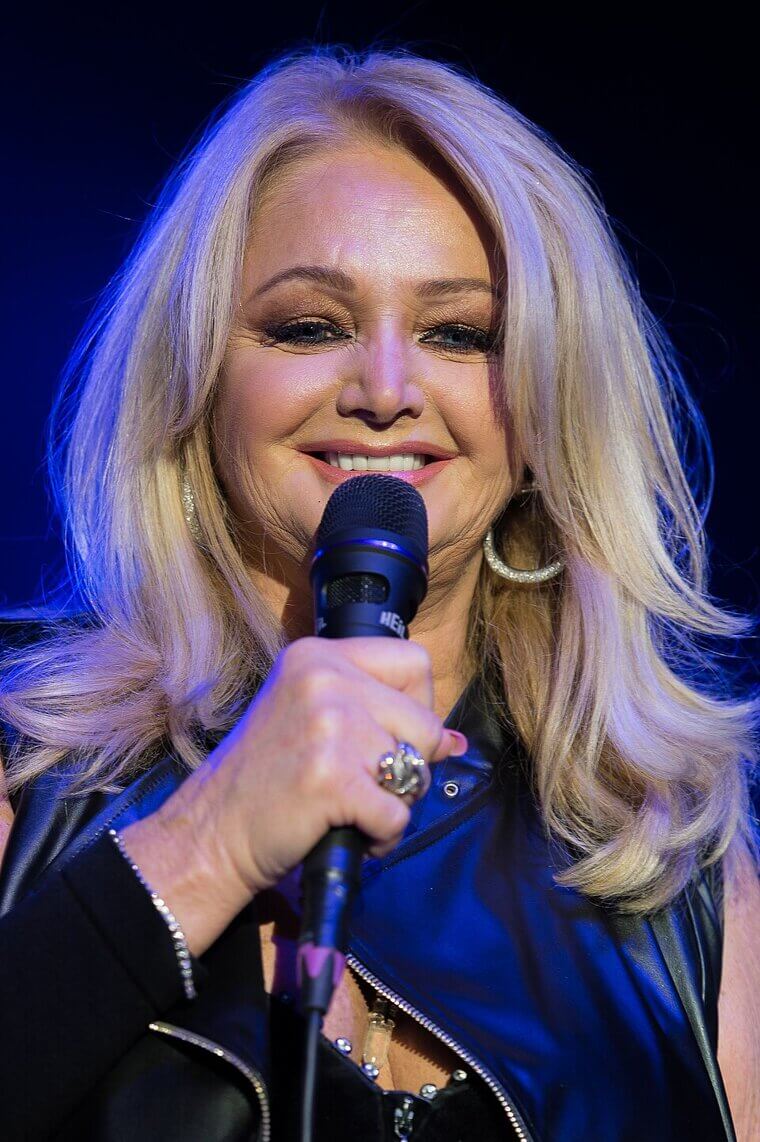
She even represented the United Kingdom at the 2013 Eurovision Song Contest. Hailing from Wales, her unique vocal tone, often compared to female rock legends of the past, remains instantly recognizable on classic hits radio stations worldwide.
Yeison Jiménez (Solo Artist)
A popular singer of regional Colombian music, this artist brought traditional sounds to a new generation of listeners with heartfelt lyrics starting in 2011. The musician reportedly achieved massive success in his home country by 2015, selling out arenas and consistently topping local radio charts with tales of romance and everyday struggles. His ability to blend modern production with classic instrumentation made him a standout star in the genre. This talent allegedly was known for a humble demeanor, frequently referencing his working-class roots and maintaining a deep, personal connection with his audience.

By 2020, he had launched successful international tours, bringing his vibrant cultural music to fans across the Americas. He actively supported various charitable initiatives in his hometown, ensuring his success benefited his community.
Oliver 'Power' Grant (Wu-Tang Clan)
An instrumental figure in building a legendary hip-hop collective's brand, this individual shaped the group's visual and business strategies during the early 1990s. The executive reportedly spearheaded a highly successful clothing line in 1995 that quickly became a global staple of urban streetwear. His entrepreneurial vision extended beyond apparel, helping to orchestrate the release of a popular 1999 video game featuring the rap group's members. This figure allegedly proved that rap collectives could operate as highly profitable, independent business empires without relying solely on major label executives.
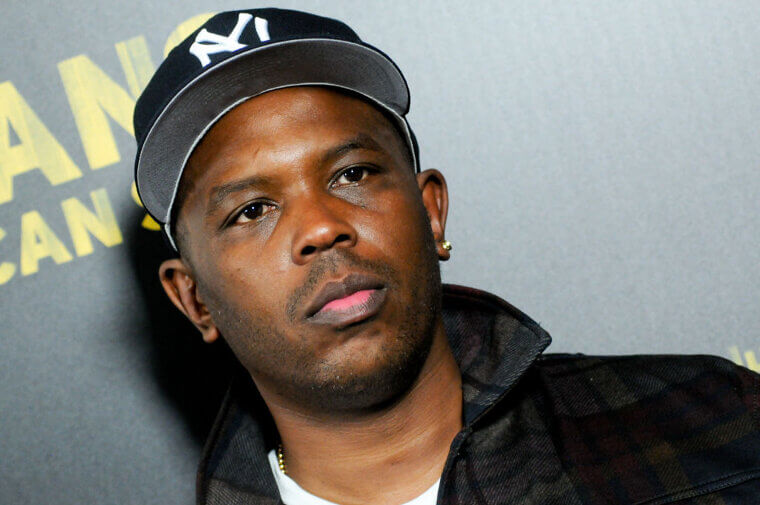
He occasionally appeared in minor acting roles and produced various documentary projects detailing the group's chaotic rise to fame. His innovative merchandising strategies set a new standard for how modern hip-hop artists monetize their brands.