
Ever find yourself singing along to a classic hit, completely unaware of the fascinating story hidden right behind the catchy chorus? Let's dive into some unexpected backstories behind legendary music, and maybe change the way you hear them forever! Check out the full list below to discover the secrets.
"Blackbird" (The Beatles, 1968): An Acoustic Anthem for the American Civil Rights Movement
Listeners often assume this acoustic masterpiece is simply about nature or a bird learning to fly. However, the songwriter was reportedly inspired by the civil rights struggles happening across the Atlantic ocean during the late 1960s. The lyrics served as a message of support and encouragement to individuals fighting for equality and justice. The acoustic guitar provides a calm backdrop for a powerful statement about rising above oppression. The metaphor of a bird with broken wings learning to soar resonated with audiences around the globe.
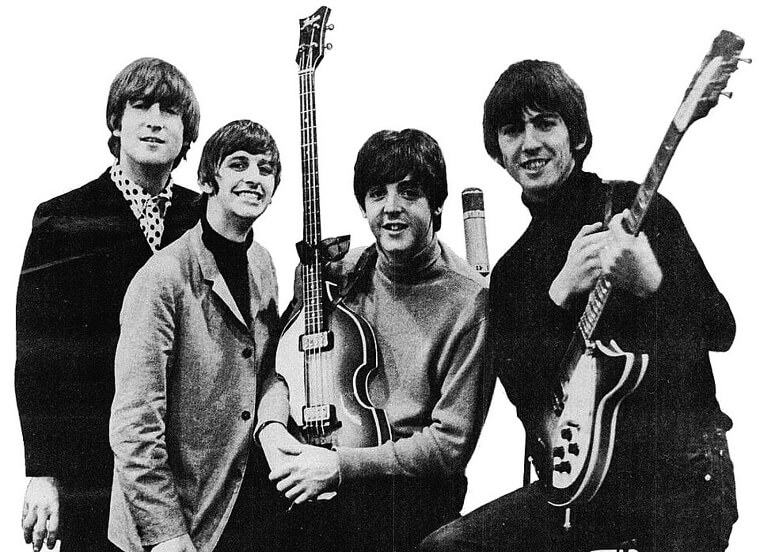
The artist wanted to offer a glimmer of hope during a turbulent era in modern history. Fans still find comfort in the gentle melody and uplifting message today. The track stands as a testament to the band's ability to blend social commentary with pop music.
"Like a Virgin" (Madonna, 1984): The Refreshing Joy of Surviving a Heartbreaking Split
Despite the provocative title that sparked countless debates, the underlying meaning of this hit is far less scandalous. The songwriter actually penned the lyrics while recovering from a particularly devastating end to a relationship. The words describe the refreshing sensation of finding new love after feeling emotionally exhausted and worn out. The famous chorus is a metaphor for the healing process and the joy of a fresh start. The pop star who sang the track added her own charismatic flair, turning the personal reflection into an international sensation.

The bouncy synthesizer beat contrasts with the vulnerability of the original lyrics. Audiences quickly embraced the energetic tune, making it a defining anthem of the era. The song highlights how universal experiences can be transformed into massive chart-topping successes.
"Born in the U. S. A. " (Bruce Springsteen, 1984): A Misunderstood Cry for Neglected Veterans
Politicians and patriotic fans frequently play this stadium anthem at rallies and celebratory events. The energetic synthesizer and booming chorus mask a deeply critical narrative about the struggles of the working class. The lyrics tell the story of a veteran returning home from overseas only to face unemployment and systemic neglect. The songwriter intended to shed light on the harsh realities faced by individuals who sacrificed for their country. The upbeat tempo creates a stark contrast with the sorrowful verses, leading to widespread misinterpretation of the message.
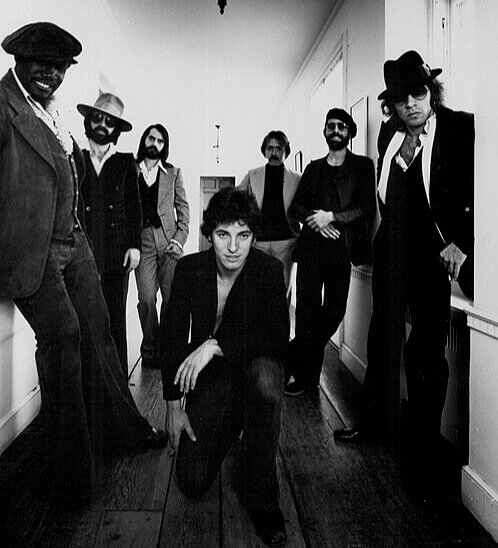
The artist has spent decades clarifying the true meaning during live performances. The track remains a powerful piece of social commentary wrapped in an infectious melody. It serves as a reminder to always pay attention to the verses rather than just the chorus.
"I Will Always Love You" (Dolly Parton, 1974): A Tear-Jerking Resignation Letter to a Beloved Mentor
Most listeners associate this soaring ballad with romantic heartbreak and tragic love stories. In reality, the legendary country artist wrote the song to commemorate a professional separation rather than a romantic one. She was leaving a long-time television partnership with a supportive mentor to pursue a solo career. The lyrics express deep gratitude and affection while firmly stating the need to move forward independently. The mentor was reportedly moved to tears upon hearing the tribute for the first time.

The track beautifully captures the bittersweet feeling of ending a successful collaboration on good terms. A massive pop cover later turned the tune into an international phenomenon, somewhat obscuring its original context. The song proves that platonic transitions can inspire art just as powerfully as romance.
"Every Breath You Take" (The Police, 1983): The Ultimate Wedding Song That Is Actually About Stalking
Countless couples have chosen this famous track as their wedding song, drawn by the seemingly devoted lyrics. However, the lead singer wrote the verses during a period of personal turmoil and jealousy following a separation. The words actually describe a narrator who is watching a former partner with an unhealthy level of fixation. The sinister undertones are cleverly disguised by a smooth bassline and catchy guitar arpeggios. The songwriter has expressed amusement and mild horror at how often the song is used in romantic contexts.
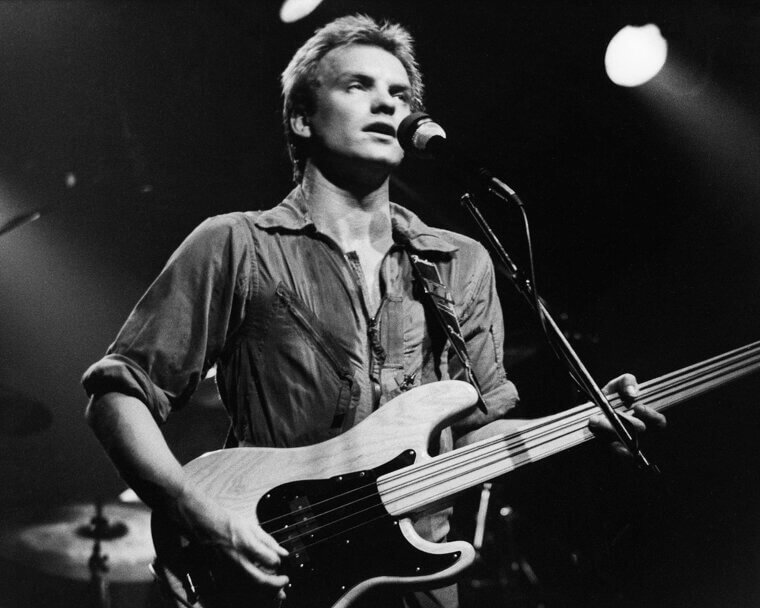
The catchy melody makes it easy to overlook the controlling nature of the lyrics. The tune became one of the biggest hits of the decade despite its dark subject matter. It stands as a brilliant example of how musical arrangement can completely alter the perception of a lyric.
"Macarena" (Los Del Rio, 1993): The Cheerful Dance Anthem About Stepping Out on a Soldier
This ubiquitous dance track dominated parties, weddings, and sporting events throughout the 1990s with its catchy rhythm. The joyful group choreography distracts from the surprisingly mischievous story being told in the Spanish verses. The lyrics describe a woman who is frustrated because her boyfriend was drafted into the military. While he is away serving his country, she decides to entertain herself by flirting with his friends. The upbeat percussion and cheerful vocal delivery make the infidelity seem like a lighthearted adventure.

Non-Spanish speaking listeners remained completely unaware of the scandalous plot as they danced along to the chorus. The song achieved massive global success, proving that a good beat transcends language barriers. The track is a perfect example of a hidden narrative hidden in plain sight.
"Closing Time" (Semisonic, 1998): The Ultimate Bar Anthem Actually Detailing the Birth of a Child
Every bartender knows this song as the ultimate anthem for ending the night and sending patrons home. The songwriter cleverly designed the track to function as a closing anthem for live venues. However, he allegedly wrote the lyrics as an allegory for the impending birth of his first child. The lines about leaving a familiar place and entering the world perfectly describe the transition from the womb. The instruction to gather belongings and head toward the exit mirrors the journey of a newborn baby.

The band enjoyed the dual meaning, allowing audiences to interpret the tune however they wished. The catchy piano riff helped propel the track to the top of the radio charts. The dual narrative ensures the song remains relevant for multiple types of major life transitions.
"In the Air Tonight" (Phil Collins, 1981): A Brooding Divorce Anthem Misinterpreted as a Drowning Tragedy
An enduring urban legend claims this atmospheric track is about the artist witnessing someone fail to save a drowning man. The truth behind the haunting lyrics is much more grounded in personal reality and emotional pain. The singer was going through a bitter divorce and channeled his anger and frustration into the songwriting process. The brooding synthesizer chords build a sense of tension that mirrors his internal emotional turmoil. The famous drum fill serves as a musical release for all the pent-up resentment.
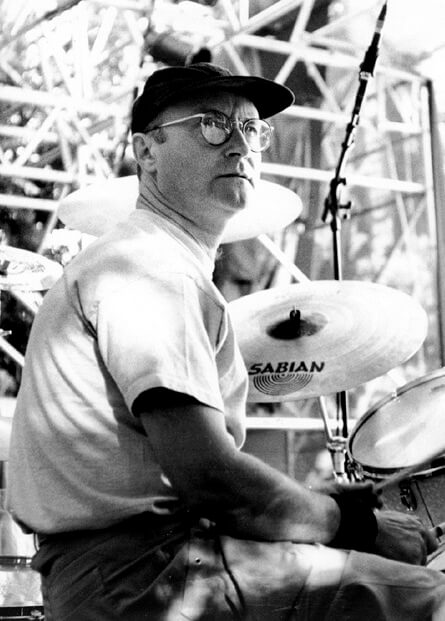
The lyrics capture the raw vulnerability of facing a difficult transition and feeling betrayed by a partner. The widespread rumor only added to the mystique and popularity of the release. The track remains a powerful expression of heartbreak transformed into a defining piece of pop music.
"Hotel California" (The Eagles, 1976): A Haunting Critique of the Toxic American Dream
Many listeners interpret this classic rock epic as a literal story about a haunted or mysterious inn in the desert. The band members have repeatedly explained that the lyrics are a critique of the hedonistic lifestyle prevalent in Los Angeles. The verses explore the excess, greed, and superficiality that defined the music industry during the 1970s. The establishment represents a gilded cage where success traps individuals in a cycle of destructive behavior.
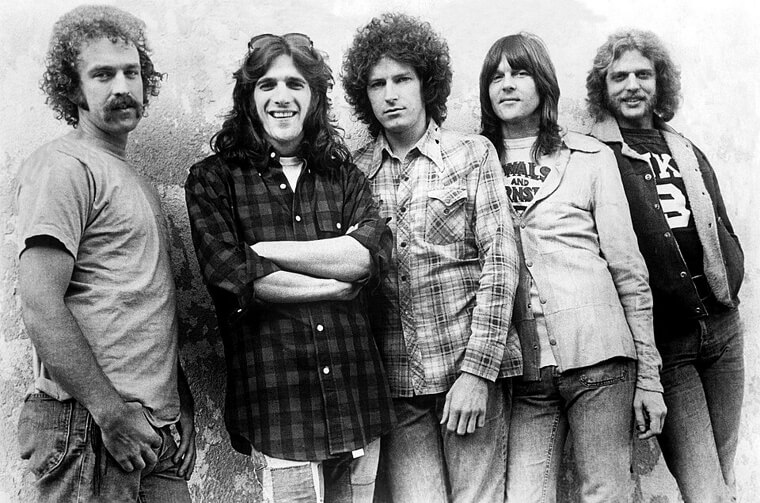
The memorable guitar solos perfectly capture the sprawling, unpredictable nature of the California experience. The narrative warns about the dangers of chasing fame and wealth without considering the personal cost. The mystical imagery provided a cinematic quality that captivated audiences worldwide. The track stands as a timeless cautionary tale about the illusions of success.
"Lucy in the Sky With Diamonds" (The Beatles, 1967): A Psychedelic Masterpiece Born From a Kindergartner's Painting
For decades, commentators insisted that the title of this psychedelic track was a clever acronym for controversial substances. John Lennon consistently maintained a much more innocent explanation for the vibrant and surreal imagery. His young son had reportedly brought home a painting from school depicting a classmate surrounded by stars. The colorful artwork inspired the whimsical lyrics about tangerine trees and marmalade skies. The swirling musical arrangement features strange time signatures and innovative studio effects that enhance the dreamlike atmosphere.
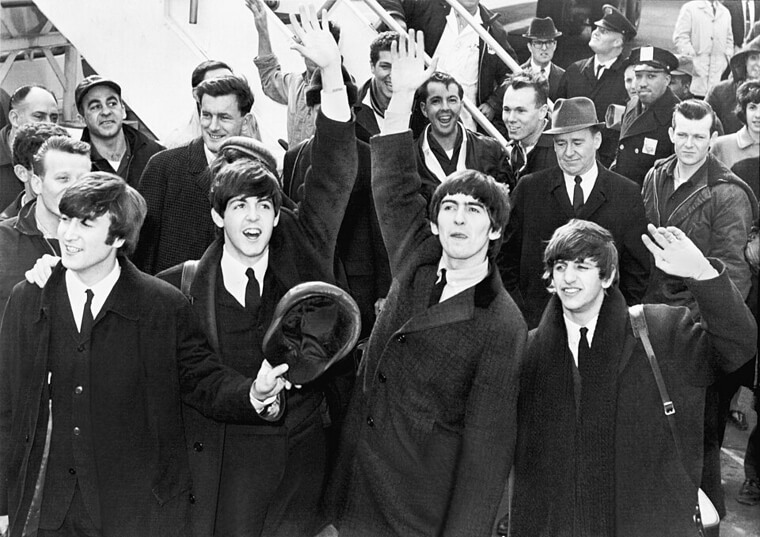
The playful lyrics mirror the boundless imagination of a child exploring a magical landscape. The persistent rumors only fueled the popularity and legacy of the fascinating recording. The song is a brilliant testament to how a simple piece of art can spark a global phenomenon.
"Wake Me Up When September Ends" (Green Day, 2004): A Devastating Tribute to the Childhood Loss of a Father
Because of its release date, many listeners associate this solemn acoustic rock track with global tragedies and political events. The actual inspiration for the melancholic lyrics is deeply personal to the lead vocalist of the band. The song was written to process the grief of losing his father to an illness when the singer was only ten years old. The title refers to the exact phrase he used when hiding in his room during the aftermath of the funeral.
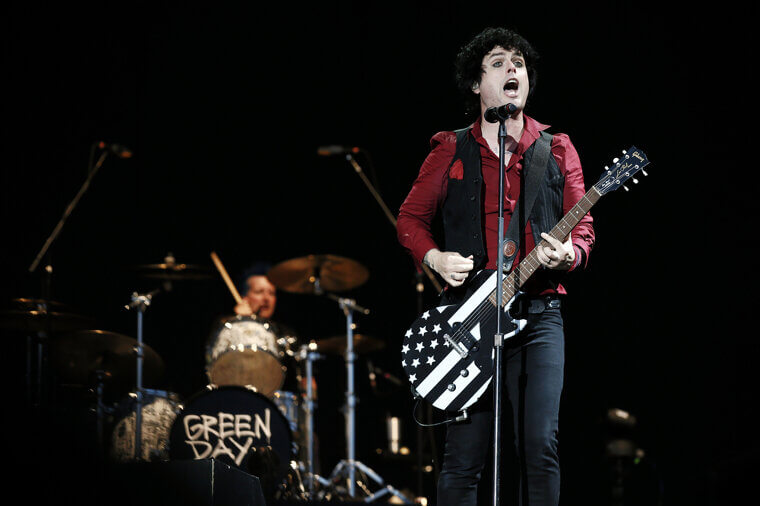
The gentle guitar picking transitions into powerful distorted chords, mirroring the overwhelming waves of grief. The emotional vulnerability resonated with fans who had experienced their own profound losses. The track became an unexpected mainstream hit for the punk rock group. It remains a touching tribute to enduring love and the lingering effects of childhood sorrow.
"Harder to Breathe" (Maroon 5, 2002): An Aggressive Love Song Secretly Directed at a Demanding Record Label
This aggressive pop-rock track features a driving beat and lyrics that describe a suffocating, toxic romantic relationship. The lead singer sounds incredibly frustrated as he complains about someone demanding too much of his time and energy. In reality, the venomous words were directed at the band's record label, not a demanding former girlfriend. The executives were allegedly pressuring the group to produce more material for their upcoming debut album. The stress of the studio environment and the tight deadlines caused severe anxiety for the songwriters.

They channeled that intense pressure into a final track that perfectly captured their frustration. The result was a massive hit single that helped launch their legendary career. The song proves that professional stress can be just as inspiring as romantic drama.
"Sweet Child O' Mine" (Guns N' Roses, 1987): A Legendary Guitar Riff That Started as a Goofy Warm-Up
The opening guitar riff of this legendary rock anthem is instantly recognizable and often cited as one of the greatest ever recorded. The soaring vocals and heartfelt lyrics make it a staple of classic rock stations worldwide. Surprisingly, the iconic melody began as a joke while the guitarist was warming up his fingers before a rehearsal. He was playing a tedious string-skipping exercise when the rest of the band started playing along.

The lead singer heard the progression from another room and quickly penned lyrics inspired by his girlfriend at the time. The band initially disliked the track, feeling it did not match their aggressive image. The song ultimately became their biggest hit and defined the sound of 1980s hard rock. The tune proves that spontaneous moments can create musical history.
"Walking on Sunshine" (Katrina and the Waves, 1985): An Explosion of Joy Masking the Anxiety of Waiting for a Lover's Response
This incredibly energetic pop song is synonymous with pure happiness, bright summer days, and overwhelming joy. The bouncing brass section and upbeat vocal delivery make it impossible to sit still while listening. However, the lyrics actually describe the nervous anticipation of waiting for the mail to arrive to confirm a lover's devotion. The narrator is pacing around, hoping for a letter that proves the relationship is still secure. The overwhelming joy expressed in the chorus is the fantasy of finally receiving that confirmation.
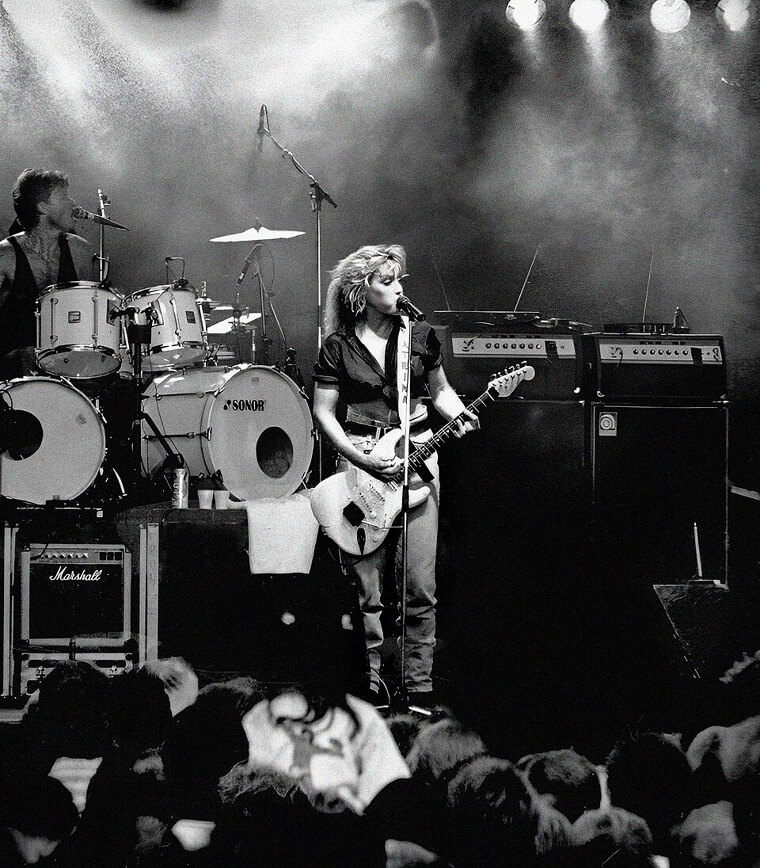
The upbeat tempo perfectly mimics the racing heartbeat of someone dealing with romantic anxiety. The track has been featured in countless cheerful movie montages, completely ignoring the anxious undertones. The song stands as the ultimate anthem for turning nervous energy into a massive celebration.
"One Way or Another" (Blondie, 1978): A Bouncy Punk Hit Fliping the Script on a Creepy Stalker
The driving punk-rock guitar riff and confident vocal delivery make this song sound like an anthem of youthful determination. Listeners often interpret the lyrics as a story about a persistent person trying to win a romantic interest. The lead singer actually wrote the track based on a terrifying personal experience with an aggressive former partner. She chose to flip the narrative, taking on the persona of the stalker to mock his unsettling behavior.
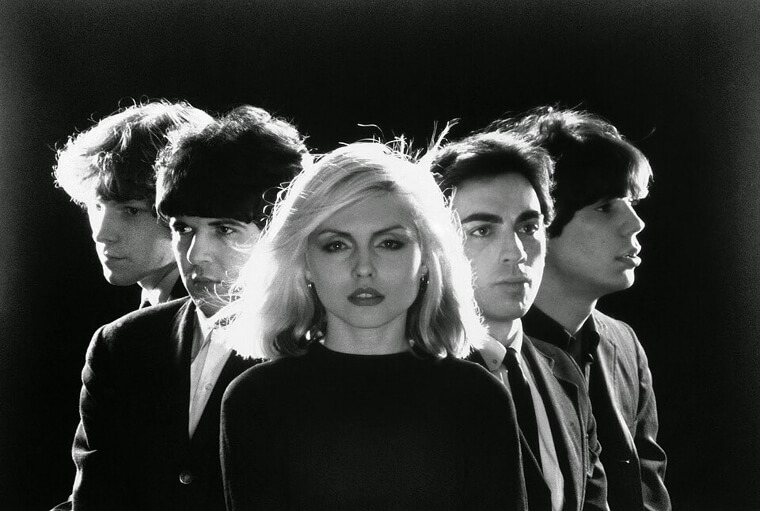
The upbeat tempo and catchy melody serve to disarm the creepy reality of the situation. By turning a traumatic event into a powerful pop song, the artist reclaimed her sense of control. The track remains a staple in movies and television shows, usually soundtracking comedic pursuits. The brilliant subversion of the stalker trope turned a nightmare into a global hit.
"American Pie" (Don McLean, 1971): A Cryptic Masterpiece Mourning the Loss of Musical Innocence
This lengthy folk-rock masterpiece is famous for its cryptic lyrics and singalong chorus that spans over eight minutes. The song serves as a cultural time capsule, mourning the end of an optimistic era in music. The opening verses directly reference a tragic airplane crash that claimed the lives of three pioneer musicians. From there, the narrative winds through the cultural shifts of the 1960s, using famous figures as symbolic characters.
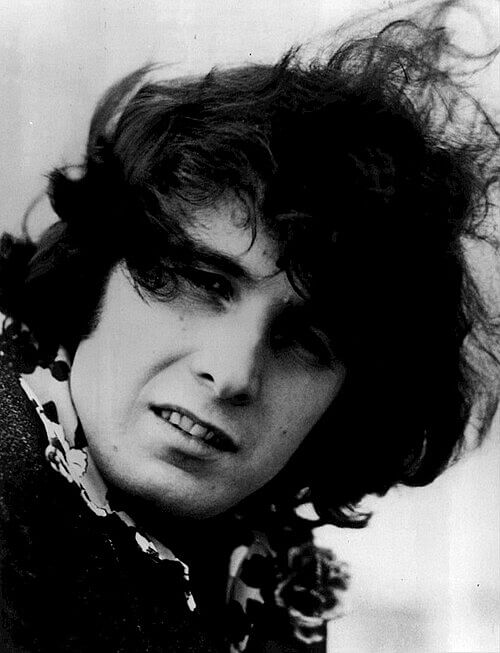
The songwriter lamented how the pure joy of early dance music was replaced by darker, more complex societal issues. The acoustic guitar provides a steady pulse for the dense poetry of the verses. Listeners have spent decades analyzing every metaphor and reference scattered throughout the track. The song remains a profound reflection on the passing of time and musical evolution.
"Who Let the Dogs Out" (Baha Men, 2000): A Goofy Sports Chant That Actually Slams Aggressive Catcalling
This stadium anthem is famous for its barking chorus and is a staple at sporting events around the world. Most people view the track as a silly, meaningless novelty song meant to hype up crowds. Surprisingly, the original writer intended the lyrics to critique disrespectful behavior by men at social gatherings. The verses describe a fun party atmosphere that is ruined when a group of rowdy men begin aggressively catcalling the women.

The titular question is a metaphorical response from the frustrated women, comparing the rude men to poorly behaved animals. The energetic island beat and repetitive hook completely overshadowed the feminist message behind the lyrics. The track won a major music award and remains permanently etched in pop culture. It is a hilarious example of a deeper message being lost to a catchy gimmick.
"Yellow Ledbetter" (Pearl Jam, 1992): A Mumbled Masterpiece Chronicling a Tragic Wartime Telegram
Fans of this alternative rock band have spent decades trying to decipher the famously mumbled lyrics of this beloved B-side. The soaring guitar work, heavily inspired by legendary blues artists, creates an atmosphere of profound sadness and longing. The singer eventually revealed that the song is about a family receiving a notification regarding a soldier lost in a conflict. The narrative touches upon the lack of support for returning veterans and the emotional toll on the families left behind.

The emotional vocal delivery communicates the sorrow perfectly, even when the exact words are difficult to understand. The track became an unconventional radio hit and a staple for closing out live concerts. The melancholic tone resonates with listeners regardless of whether they know the specific storyline. It demonstrates how pure vocal emotion can transcend literal enunciation.
"Blank Space" (Taylor Swift, 2014): A Satirical Pop Masterclass Embracing Vicious Media Stereotypes
This incredibly slick pop masterpiece features a catchy beat and lyrics describing a glamorous but unstable romantic partner. Many casual listeners assumed the artist was simply writing another straightforward tune about her personal dating history. The songwriter actually crafted the lyrics as a deliberate parody of the crazy persona the media had created for her. She leaned into every unfair stereotype, writing from the perspective of a manipulative, emotionally fragile character.

The clicking pen sound effect in the chorus highlights the calculated nature of the narrative. The song was a brilliant way to reclaim her public image while simultaneously producing a massive radio hit. The track proved her exceptional ability to blend self-awareness with flawless pop production. It remains one of the smartest mainstream singles of its era.
"Good Riddance" (Green Day, 1997): The Sweet Graduation Anthem Rooted in a Spiteful Breakup
A generation of students used this acoustic ballad to celebrate graduations, proms, and sentimental farewells. The gentle guitar picking and reflective tone make it seem like a mature, peaceful goodbye to good times. The songwriter actually penned the track out of spite after a girlfriend moved to another country. The phrase in the title was meant to be entirely sarcastic, expressing his frustration over the end of the relationship. As time passed, the resentment faded, but the beautiful melody remained intact.
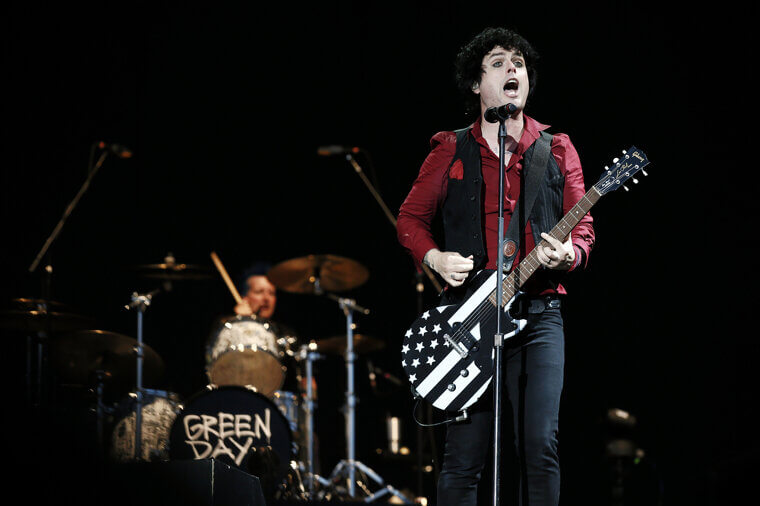
The band deliberately left the lyrics ambiguous enough that listeners could project their own life transitions onto the song. The track broke the punk band into mainstream adult contemporary radio formats. The tune continues to soundtrack major milestones for people completely unaware of its bitter origins.
"Dancing in the Dark" (Bruce Springsteen, 1984): An Upbeat Classic Born From Creative Exhaustion and Managerial Pressure
The upbeat synthesizer riff and driving rhythm make this track feel like an optimistic anthem about finding romance in the city. The lyrics describe a restless character looking for a spark to change his mundane life. The songwriter reportedly penned the tune in a hotel room after a frustrating argument with his manager. The manager was demanding a guaranteed hit single to complete the upcoming album. The words reflect the artist's feeling of creative exhaustion and the pressure of trying to manufacture inspiration on demand.
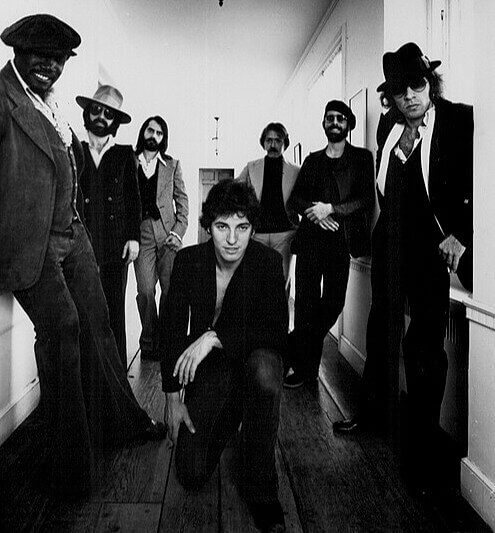
The irony is that his song about struggling to write a hit became the biggest hit of his career. The polished production perfectly masked the underlying anxiety of the verses. The track remains a staple of classic rock radio, proving that honesty is the best policy in songwriting.
"Imagine" (John Lennon, 1971): The Secret Radical Manifesto Disguised as a Lullaby
Many fans believe this iconic track is a gentle song about world peace, but the truth is slightly more complex than the melody suggests. The artist reportedly drew heavy inspiration from a poetry book written by Yoko Ono. He later explained that the lyrics function as a mild manifesto wrapped in a beautiful melody. By softening the delivery, he ensured the song would be played on commercial radio stations worldwide.
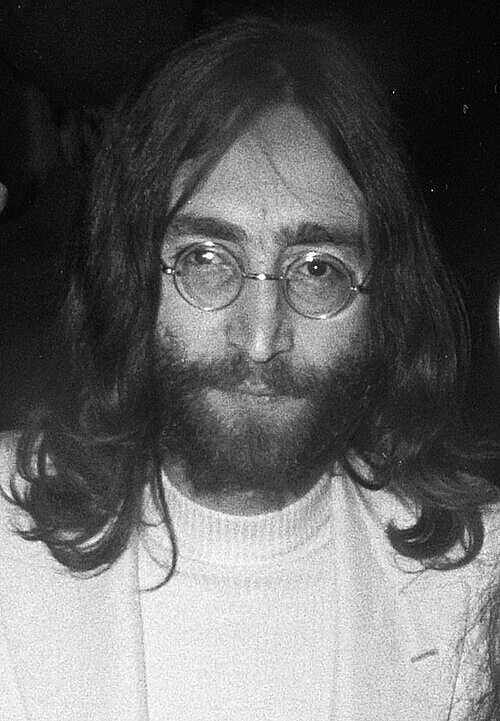
Listeners focus on the hopeful piano chords rather than the radical ideas hidden within the verses. This clever approach allowed the message to reach millions of listeners who might have otherwise rejected the core concepts. The track remains a staple on radio stations today, proving that a gentle delivery can carry significant weight and cultural impact. Generations continue to sing these famous verses, unaware of the original radical intent.
"Total Eclipse of the Heart" (Bonnie Tyler, 1983): The Passionate Ballad Originally Written for Vampires
This dramatic ballad is famous for its passionate vocals and theatrical music video, yet its origins are quite surprising. The songwriter reportedly penned the track for a musical adaptation of a famous vampire novel. The lyrics describe creatures of the night longing for connection in the darkness. When the musical project fell through, the producer offered the song to a different artist who made it a massive hit. The sweeping orchestration perfectly matched the gothic undertones of the original concept.

Fans often interpret the words as a standard romantic tragedy without realizing the supernatural elements baked into the verses. The resulting track became an unforgettable anthem that defined a decade of pop music. It remains a fascinating example of how a song can evolve away from its initial purpose.
"You Oughta Know" (Alanis Morissette, 1995): A Fiery Send-Off for a Wholesome Sitcom Star
This defining rock anthem of the 1990s is famous for its raw emotion and unfiltered lyrics about betrayal. For years, fans speculated wildly about the identity of the former partner who inspired the fiery verses. It was eventually revealed that the track is allegedly about a famous comedic actor known for a family-friendly television show. The contrast between the actor's wholesome public image and the bitter nature of the breakup fascinated the public.

The artist channeled her frustration into a powerful vocal performance that resonated with anyone who has ever experienced heartbreak. The aggressive guitar riffs perfectly match the intensity of the emotional release. The song helped launch the singer into international superstardom while cementing her legacy as a fearless songwriter. It remains a legendary example of turning personal pain into artistic triumph.
"MMMBop" (Hanson, 1997): A Sunny Bop Hiding Existential Dread About Fleeting Friendships
This incredibly catchy tune features upbeat instrumentation and sunny harmonies performed by three young brothers. Beneath the surface of the bubbly pop exterior lies a surprisingly philosophical message about the passage of time. The lyrics warn that most friendships and romantic connections will eventually fade away as life progresses. The chorus emphasizes that in the grand scheme of things, important moments disappear in the blink of an eye. The young songwriters wanted to express the importance of holding onto the few people who truly matter.
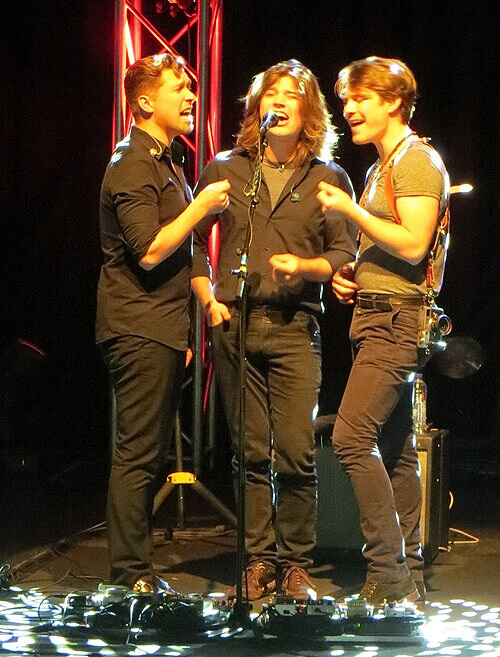
The cheerful melody masks the somewhat cynical perspective on human loyalty. Audiences embraced the infectious chorus without dwelling on the deeper existential themes. The track remains a nostalgic favorite with a hidden depth that surprises many adult listeners.
"Summer of '69" (Bryan Adams, 1985): A Nostalgic Jam About Youthful Love, Not the Calendar Year
This classic rock staple is widely considered an ode to the golden days of the late 1960s. The energetic guitar riffs and nostalgic lyrics create a perfect soundtrack for reminiscing about youth. Surprisingly, the songwriter has reportedly stated that the title does not refer to the actual calendar year. Instead, the number represents a metaphor for a specific period of youthful exploration and musical discovery. The lyrics detail the joy of forming a band and experiencing early romantic milestones.

The upbeat tempo perfectly captures the carefree energy of adolescence and summer vacations. Fans continue to sing along at the top of their lungs, unaware of the metaphorical meaning behind the date. The track proves that the exact details matter less than the universal feeling of nostalgia.
"Hey Ya! " (Outkast, 2003): The Joyous Floor-Filler Mocking the Illusion of Eternal Romance
This explosive pop hit forces everyone onto the dance floor with its infectious rhythm and enthusiastic vocal delivery. While audiences shake along to the beat, the lyrics offer a surprisingly pessimistic view of modern romance. The verses question why couples stay together when they are no longer happy, suggesting that people fear being alone. The artist addresses the concept of eternal love, wondering if it is just a comforting illusion passed down through generations.

The upbeat acoustic guitar strumming cleverly disguises the cynical questions being asked in the verses. At one point in the track, the singer explicitly notes that the audience just wants to dance rather than listen to the message. The massive commercial success proved his observation completely correct. The tune is a masterclass in blending heavy themes with joyful production.
"Paper Planes" (M. I. A. , 2007): A Sarcastic Club Banger Skewering Stereotypes About Immigrants
The infectious hook featuring cash register noises and gunshot sound effects turned this alternative track into a massive club hit. Many people assume the song is simply about making money and living a rebellious lifestyle. The artist actually wrote the lyrics as a satirical take on how Western countries view immigrants and foreigners. The chorus playfully mocks the paranoid stereotypes that immigrants are only arriving to steal jobs and cause trouble.

The artist was dealing with her own frustrating visa issues at the time, which inspired the sarcastic tone. The bouncy sample used for the backing track creates a carefree vibe that contrasts with the biting social commentary. The tune achieved unexpected commercial success while maintaining its subversive edge. It proves that a great beat can make complex political satire accessible to the masses.
"99 Luftballons" (Nena, 1983): A Bouncy Synth-Pop Warning About Accidental Nuclear Apocalypse
This energetic synthesizer pop track became an international sensation despite being sung entirely in German initially. The upbeat rhythm makes it sound like a cheerful party anthem about childhood toys flying through the air. The lyrics actually tell a grim science fiction story about the fragility of global peace during the Cold War. A flock of regular balloons floats across a border, triggering early warning systems and causing a catastrophic military response.

The song highlights how paranoia and tension between superpowers could lead to destruction over a simple misunderstanding. The catchy bassline keeps the mood deceptively light as the narrative builds toward a tragic conclusion. A subsequent English version helped spread the cautionary tale to a wider audience. The track is a brilliant piece of political art disguised as a dance floor filler.
"Waterfalls" (TLC, 1995): A Silky R&B Warning Against the Lethal Cost of Chasing Fast Success
The smooth harmonies and laid-back groove of this R&B classic make it a relaxing staple of summertime playlists. The beautiful chorus actually serves as a warning against pursuing destructive paths in search of fast success. The verses detail tragic stories of individuals who make poor choices, including participating in illegal activities to make ends meet. The central metaphor advises listeners to stick to the safe, familiar rivers rather than chasing dangerous, unpredictable opportunities.

The inclusion of a poignant rap verse adds urgency to the message about health crises and societal struggles. The production team crafted a lush musical landscape that perfectly complements the serious nature of the lyrics. The song became a massive cultural touchstone with a powerful moral center. It successfully merges smooth musicality with a vital message of self-preservation.
"Pump It Up" (Elvis Costello, 1978): A Frantic Party Starter Detailing the Sheer Exhaustion of Touring
The relentless rhythm and pounding organ chords make this track a favorite for sports arenas and high-energy workout playlists. The aggressive vocal delivery sounds like a passionate call to action or a party anthem. The songwriter reportedly wrote the frantic lyrics as a reaction to the gruelling nature of endless promotional tours. The verses detail the sleazy, exhausting, and repetitive cycle of performing in different cities every single night. The driving beat mirrors the mechanical, unstoppable machinery of the music business pushing artists to their limits.

The ironic result is that a song about being tired of performing became a mandatory inclusion in every live setlist. The tune captures the raw energy of the post-punk era while offering a cynical view of the industry. It remains a legendary example of using high energy to complain about having no energy left.
"Smells Like Teen Spirit" (Nirvana, 1991): A Grunge Revolution Inspired by a Teenage Deodorant Brand
This legendary grunge anthem defined a generation of disenchanted youth with its explosive dynamics and cryptic lyrics. The title sounds like a profound statement about the rebellion and energy of adolescent culture. The songwriter reportedly got the idea when a friend spray-painted the phrase on his wall as a joke. The phrase actually referred to a specific brand of deodorant that his girlfriend used at the time. The artist was completely unaware of the commercial product and thought the slogan sounded wonderfully poetic and rebellious.
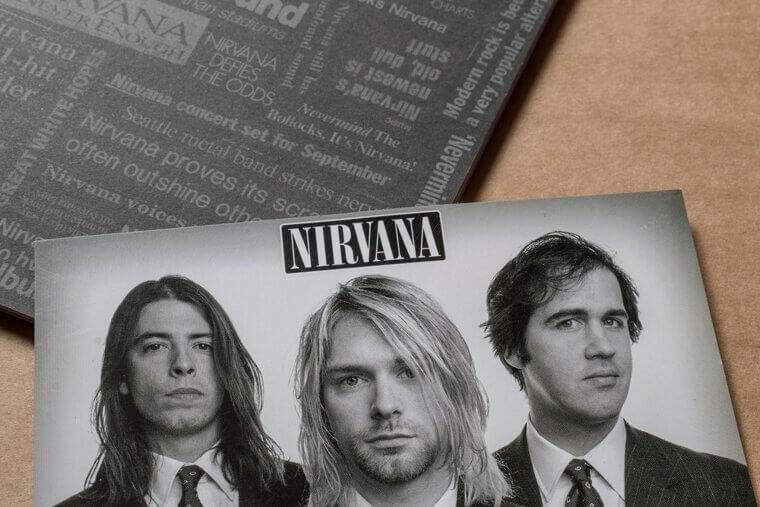
The roaring guitars and aggressive vocal performance elevated the accidental title into a cultural milestone. The track changed the landscape of popular music and brought alternative rock into the mainstream. It remains a fascinating example of how a mundane detail can accidentally spark a global revolution.
"London Calling" (The Clash, 1979): A Punk Rock Riot Fueled by the Fear of a Flooded River
This post-punk masterpiece sounds like a radical call to arms, urging citizens to rise up against a broken political system. The staccato rhythm and urgent vocal delivery create a sense of impending doom and societal collapse. While the song does touch upon political themes, the primary inspiration was surprisingly related to urban infrastructure. The songwriter was reportedly terrified by news reports detailing the potential for the local river to overflow and drown the city.
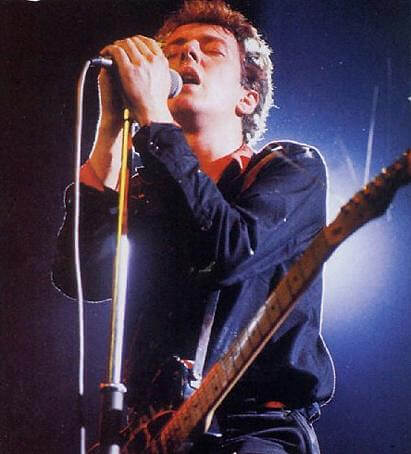
The lyrics mention living by the river and the impending water levels rising. The band blended this specific phobia with broader anxieties about police brutality and economic struggle. The result was a defining track that captured the restless energy of the late 1970s. The song remains a powerful document of a turbulent era, anchored by a very practical fear.
"Tubthumping" (Chumbawamba, 1997): A Party Chant Masking a Militant Working-Class Rebellion
This boisterous stadium anthem is universally known for its repetitive chorus about getting knocked down and getting back up. It is frequently played at sporting events and parties to celebrate victory and perseverance. The political collective that wrote the song intended it as a serious tribute to the resilience of the working class. The lyrics document the struggles of ordinary people surviving harsh economic conditions and restrictive government policies. The upbeat trumpet fanfare and pub-chant vocals disguise the radical politics of the musicians who performed it.
The band used their sudden fame to promote various social causes on international television. The infectious joy of the chorus allowed the track to transcend its specific political roots. The song remains an unforgettable piece of pop culture history with a surprisingly militant background.
"Royals" (Lorde, 2013): An Anti-Materialism Anthem Sparked by a Baseball Magazine Photo
This minimalist pop track dominated the charts by rejecting the opulent lifestyle typically celebrated in modern music. The lyrics critique the obsession with expensive cars, designer clothes, and endless luxury. The teenage songwriter reportedly found inspiration for the title in a completely unexpected place. She was flipping through an old magazine and saw a photograph of a legendary baseball player wearing his team uniform. The word on his jersey struck her as a powerful symbol to base her anti-materialism anthem around.

The sparse production, relying mostly on finger snaps and layered vocals, emphasized the rebellious message. The track resonated with a generation tired of unrealistic wealth flaunted on social media. The song launched a massive career and shifted the sound of pop music for the rest of the decade.