
Get ready to plug in and turn the volume all the way up. We are exploring the legendary musicians who changed music forever with their incredible riffs and solos. Scroll down to discover the greatest guitarists of all time!
Tom Morello, The Modern Sonic Innovator
Known for his inventive approach to the instrument, Tom Morello transformed the role of the electric guitar in heavy music by utilizing unorthodox methods. Rather than relying on standard blues scales, he utilized effects pedals, toggle switches, and unique scratching techniques to mimic the sounds of turntables, synthesizers, and sirens. His rhythmic precision provided a powerful foundation for politically charged anthems, blending heavy metal riffs with driving funk grooves. Morello proved that there were still new sonic landscapes to explore, refusing to be constrained by traditional playing styles.
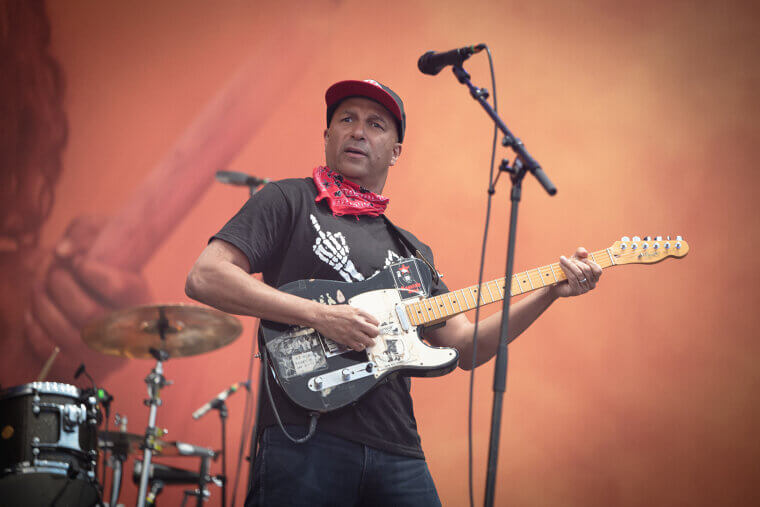
By continually pushing the boundaries of what six strings could accomplish, he secured his place as a true pioneer. His distinctive influence can still be heard across multiple genres today, inspiring countless modern musicians.
Steve Cropper, The Architect of Classic Soul
Serving as the rhythmic backbone for some of the most famous soul records ever recorded, Steve Cropper defined a genre with his sharp, concise playing style. Working extensively as a studio musician, he reportedly arranged countless hit tracks on the spot, demonstrating an unmatched ear for groove and melody. Instead of flashy solos, his playing focused on providing exactly what the song needed, utilizing double-stops and crisp chords that perfectly complemented vocal performances.
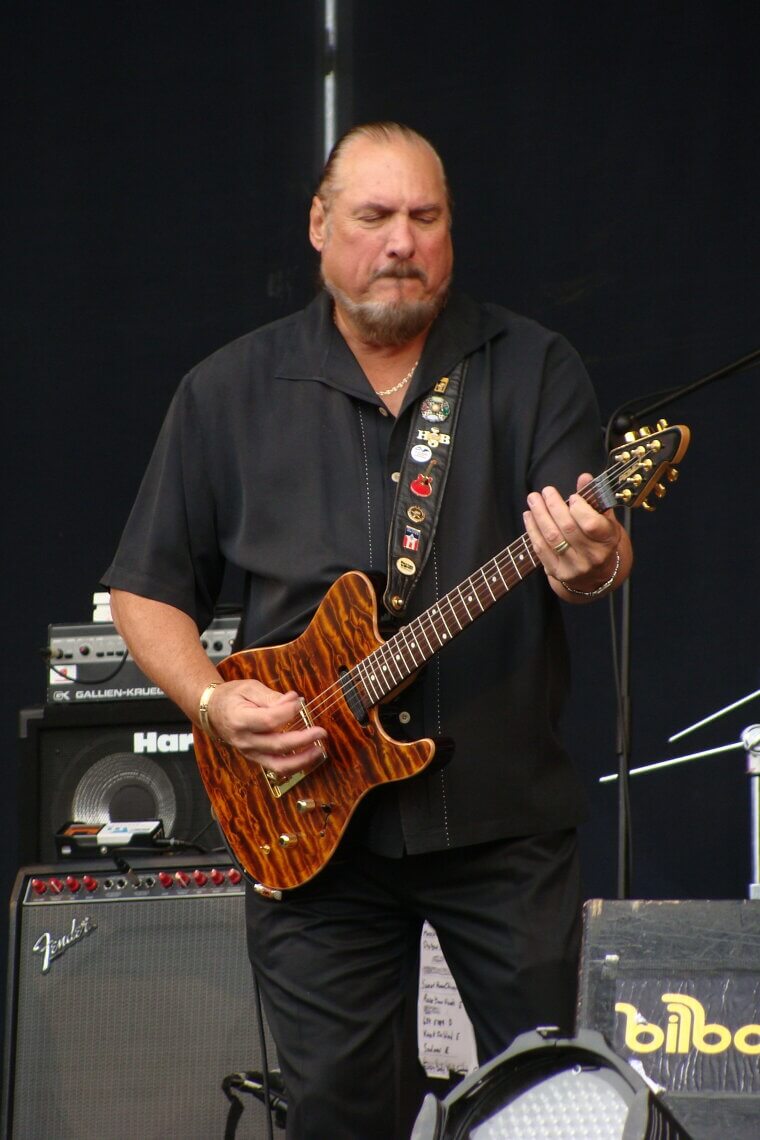
This minimalist approach allowed the emotional weight of the tracks to shine through, cementing his reputation as a master accompanist. Cropper demonstrated that restraint can often be more powerful than playing numerous notes. Generations of rhythm players have studied his classic recordings to understand the true essence of pocket playing.
The Edge, The Master of Stadium Echo
Utilizing delay pedals to create vast, atmospheric soundscapes, The Edge built a signature style that became instantly recognizable around the world. He moved away from traditional blues-based soloing, favoring shimmering chord voicings and rhythmic echoes that made a single instrument sound like an entire orchestra. This expansive tone was crucial in transforming his band into a global stadium act, filling massive arenas with crystalline, chiming melodies. He allegedly spent countless hours dialing in exact millisecond delays to match the tempo of every track perfectly.
By prioritizing texture and space over technical shredding, he showed how technology could be harnessed to enhance emotional resonance. His innovative methods have inspired legions of alternative rock artists seeking to build their own distinctive sonic environments.
Mick Taylor, The Melodic Blues Virtuoso
Bringing an incredible level of lyrical phrasing to rock music, Mick Taylor elevated the genre with his fluid, sophisticated soloing capabilities. His time playing with legendary groups showcased a flawless mastery of the blues, characterized by smooth bends and a singing vibrato that cut through heavy rhythm sections. He often utilized a standard solid-body guitar plugged straight into overdriven amplifiers, relying on finger dynamics rather than excessive effects to achieve his rich tone.
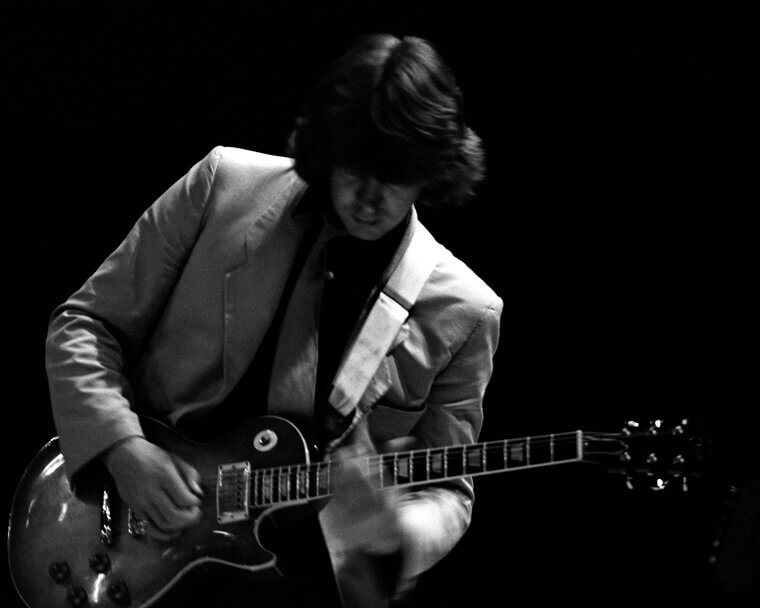
Observers noted that his improvisational skills live on stage routinely pushed his bandmates to perform at their absolute highest level. Taylor possessed an innate ability to craft solos that felt both spontaneous and perfectly composed. His refined touch remains a gold standard for blues-rock enthusiasts seeking melodic perfection.
Randy Rhoads (Deceased), The Neoclassical Metal Pioneer
Fusing classical music theory with aggressive hard rock, Randy Rhoads revolutionized the heavy metal genre during his tragically brief career. He introduced complex scales, diminished arpeggios, and precise double-picking techniques that completely changed the vocabulary of rock guitarists in the early 1980s. Before his untimely passing, he reportedly practiced classical guitar daily, constantly striving to expand his musical knowledge and technical proficiency. This dedication resulted in iconic riffs and beautifully constructed solos that sounded unlike anything else on the radio at the time.

Rhoads effectively bridged the gap between raw rock energy and orchestral sophistication, leaving a lasting legacy. Countless modern shredders continue to study his meticulously composed leads as a mandatory rite of passage in their musical education.
John Lee Hooker (Deceased), The King of the Boogie
Mastering a raw, hypnotic boogie rhythm, John Lee Hooker became one of the most influential figures in the development of electric blues. His distinctively primal style relied heavily on a driving, one-chord groove that created an intense, foot-stomping atmosphere capable of captivating any audience. He played with a fierce, percussive attack, often ignoring standard 12-bar blues structures in favor of his own internal timing and emotional phrasing. This unorthodox approach made his recordings feel remarkably spontaneous, dangerous, and deeply authentic to the Delta blues tradition.
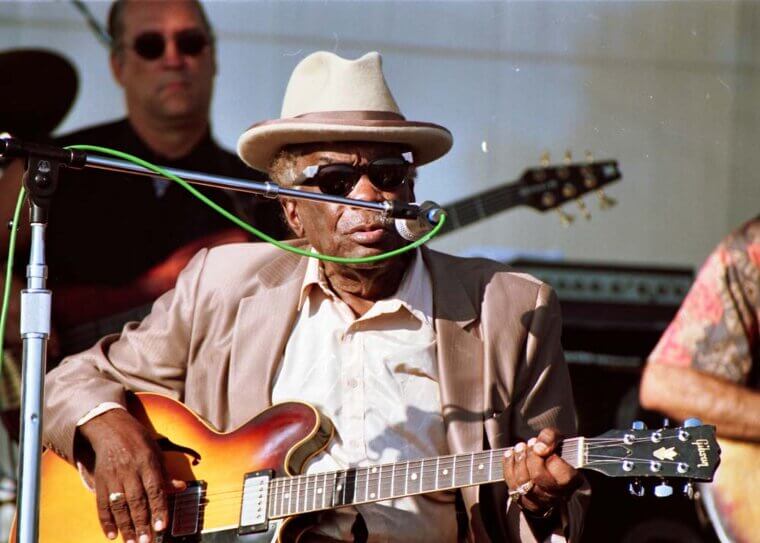
Hooker influenced a massive wave of blues-rock musicians who sought to capture that same relentless energy. His commanding presence and unmistakable tone firmly established him as a true legend of American roots music.
Curtis Mayfield (Deceased), The Soulful Rhythm Master
Blending intricate rhythm playing with lyrical lead lines, Curtis Mayfield created a uniquely fluid style that defined the sound of classic soul and funk. He tuned his instrument to an open F-sharp chord, which allowed him to play cascading, piano-like fills that wove seamlessly through lush orchestral arrangements. His delicate touch and airy tone provided the perfect backdrop for his socially conscious songwriting, adding profound emotional depth to his lyrical messages.
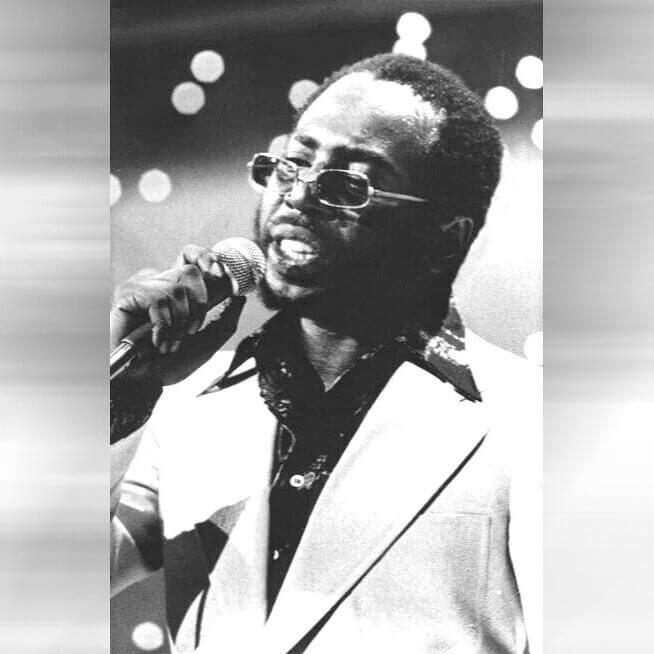
He allegedly taught himself to play by ear, developing a self-contained approach that defied standard musical conventions of the era. Mayfield proved that the electric guitar could be a vehicle for gentle sophistication as well as powerful rhythmic drive. His innovative chordal work continues to influence neo-soul artists today.
Prince (Deceased), The Unparalleled Genre-Bending Virtuoso
Seamlessly crossing the boundaries of funk, rock, and pop, Prince established himself as a dazzlingly versatile instrumentalist with unmatched theatrical flair. He possessed a fiery lead style heavily influenced by classic rock legends, yet he could effortlessly switch to razor-sharp rhythm funk within the same song. His blistering solos were often performed while executing demanding choreography, showcasing a level of stamina and showmanship that rarely exists in the industry. He reportedly recorded almost every instrument on his early albums, demonstrating a profound understanding of how guitar arrangements fit into complex musical puzzles.
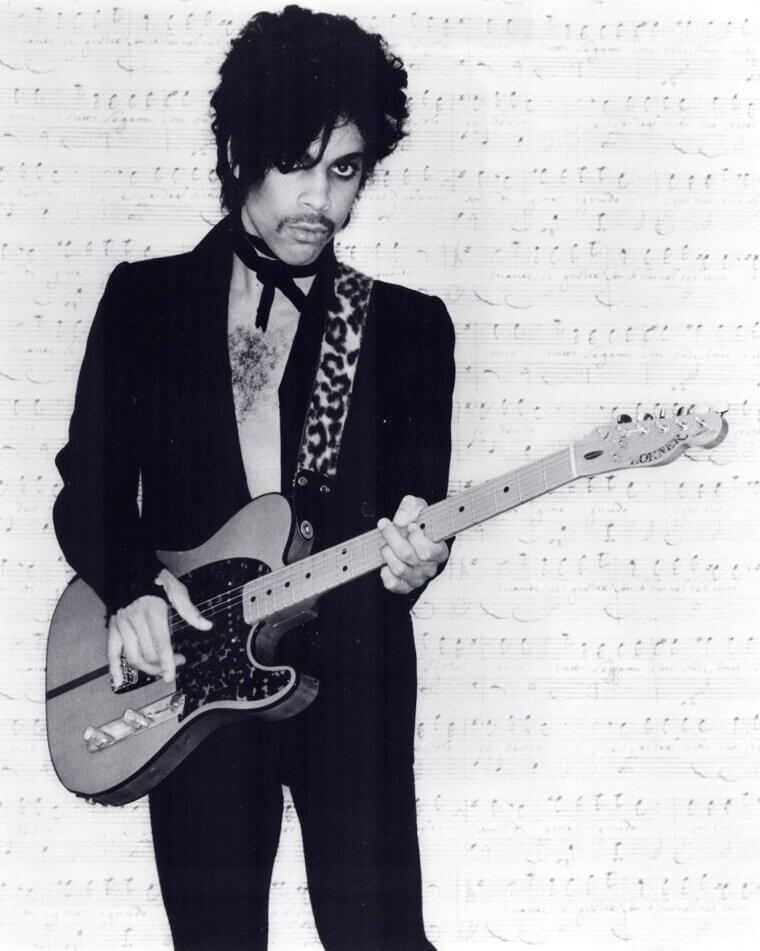
Prince combined raw emotion with explosive technical skill, delivering unforgettable live performances. His enduring musical genius remains a massive source of inspiration for performers across all genres.
Billy Gibbons, The Tone Master of Texas Rock
Famous for his massive, fuzz-drenched tone, Billy Gibbons crafted a distinctive brand of blues-rock that is instantly recognizable to millions of fans. He frequently utilized pinch harmonics to add a signature squeal to his heavy riffs, creating a gritty, muscular sound that perfectly suited his trio format. By playing with a remarkably relaxed feel, he ensured that every groove remained deep in the pocket, regardless of how fast or loud the music became.
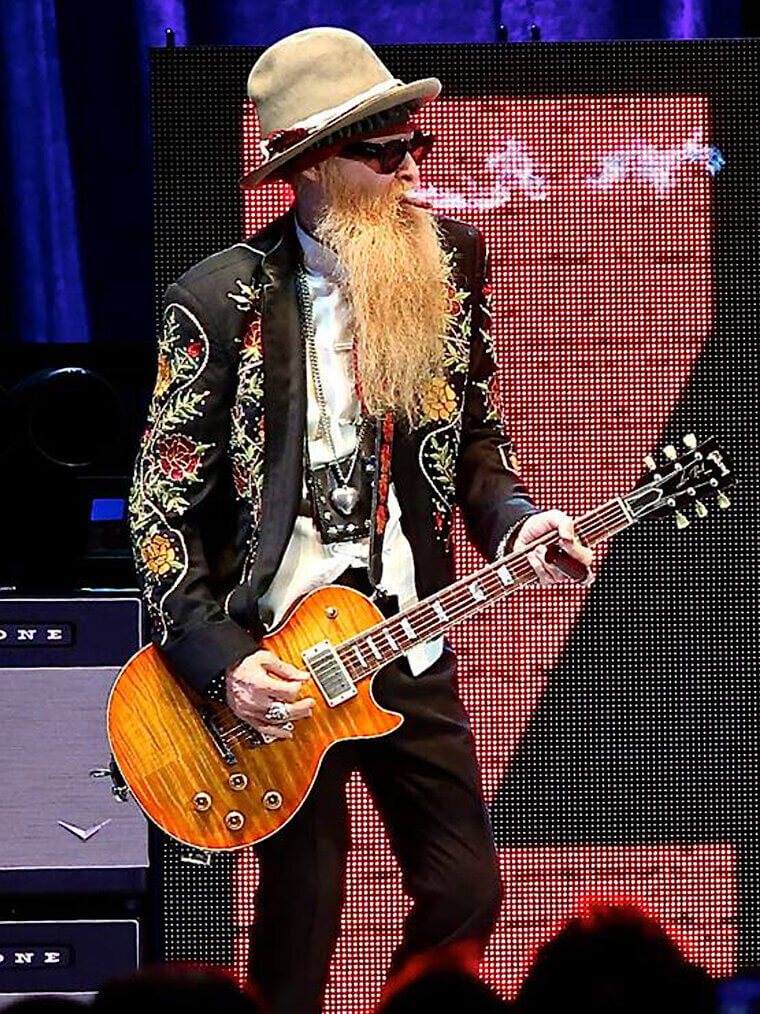
Gibbons allegedly used a peso coin as a pick during certain eras to achieve a sharper, more aggressive attack on the strings. His dedication to finding the ultimate blues tone has made him an icon among gear enthusiasts. He remains a steadfast champion of authentic Texas boogie.
Ry Cooder, The Slide Virtuoso and Roots Explorer
Serving as a tireless ambassador for global roots music, Ry Cooder is widely celebrated for his masterful acoustic and electric slide playing. His delicate, expressive touch on the fretboard brings a deeply human vocal quality to his instrument, making the strings weep and sing with remarkable clarity. Throughout his career, he has seamlessly blended American folk, blues, and Tex-Mex influences, collaborating with musicians from around the world to expand his sonic vocabulary.
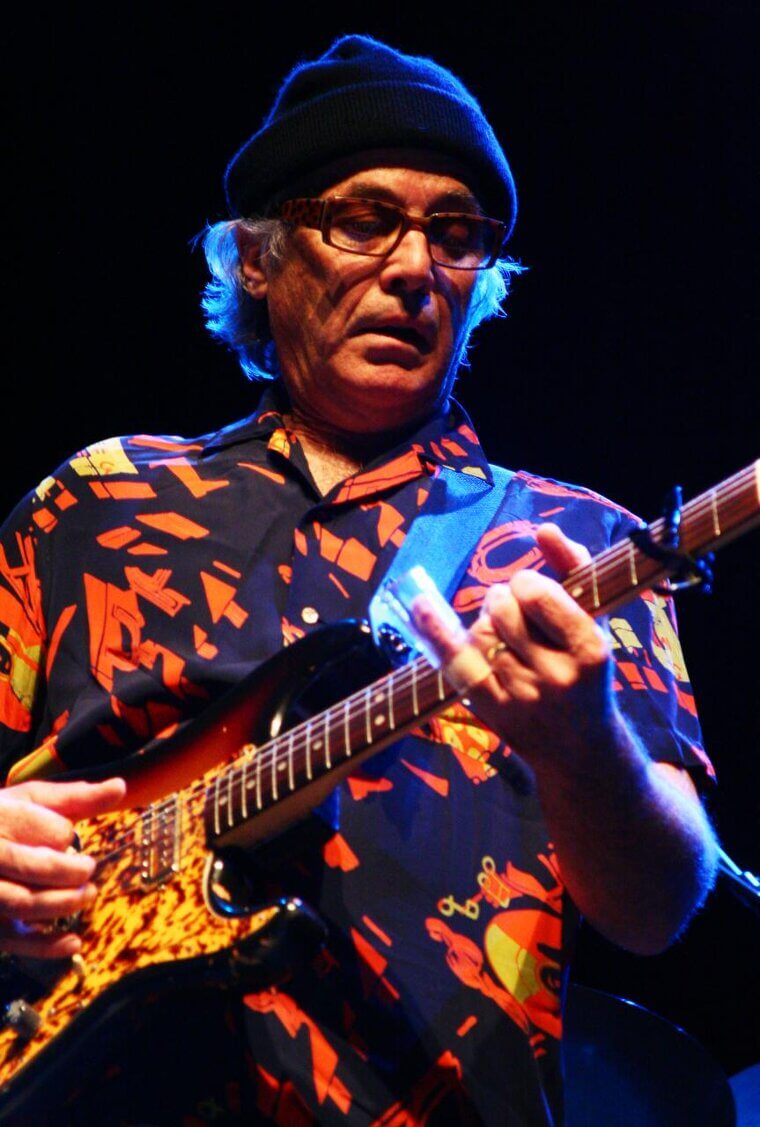
He reportedly spends significant time researching obscure traditional songs, ensuring that forgotten musical histories are preserved and reinvented for modern audiences. Cooder elevated the slide guitar from a simple blues tool to an instrument capable of immense cinematic beauty. His vast catalog serves as a masterclass in musical storytelling and cultural preservation.
Elmore James (Deceased), The King of the Slide
Electrifying the traditional acoustic slide style, Elmore James brought a roaring, distorted intensity to the Chicago blues scene that changed music forever. He played with a fierce, slashing technique, utilizing a metallic slide to create a loud, crying tone that cut directly through the noise of crowded urban clubs. His signature opening lick remains one of the most imitated phrases in the history of recorded music, setting the standard for countless blues-rock anthems.
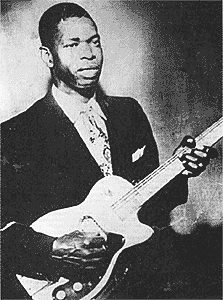
He allegedly modified his own amplifiers to achieve that revolutionary distorted sound long before high-gain equipment was commercially available. James injected a frantic, driving energy into the blues that laid the direct groundwork for rock and roll. His powerful recordings continue to thrill listeners with their unbridled passion.
Scotty Moore (Deceased), The Architect of Rockabilly
Fusing country picking with rhythm and blues, Scotty Moore essentially invented the vocabulary of rockabilly guitar during his legendary studio sessions. His innovative use of slap-back echo and hybrid finger-picking created a bouncy, propulsive sound that defined the very first wave of rock and roll records. He crafted brilliant, memorable solos that were perfectly structured to enhance the energy of the track without ever overshadowing the vocal performance. Moore reportedly utilized a thumb pick to maintain a driving bass line while simultaneously picking syncopated melodies on the higher strings.
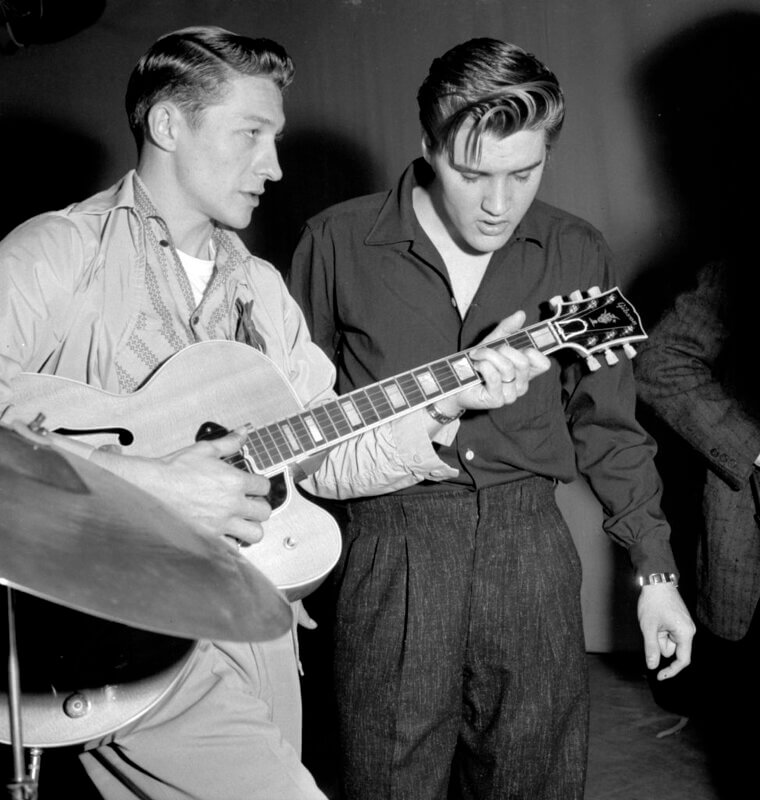
This sophisticated technique inspired a generation of British invasion musicians who sought to replicate his infectious swing. He set the initial gold standard for what a lead guitarist could achieve in a rock format.
Johnny Ramone (Deceased), The Pioneer of Punk Downstrokes
Stripping rock music down to its most aggressive core elements, Johnny Ramone revolutionized the genre with his relentless rhythm playing. He famously relied almost entirely on rapid, buzzing barre chords played strictly with downstrokes, creating a massive wall of sound that propelled his band's high-speed anthems. By rejecting traditional blues solos and complex technical flourishes, he focused entirely on sheer energy, stamina, and volume. He allegedly refused to learn standard lead techniques, believing that rock music had become too bloated and needed to return to its primitive, visceral roots.
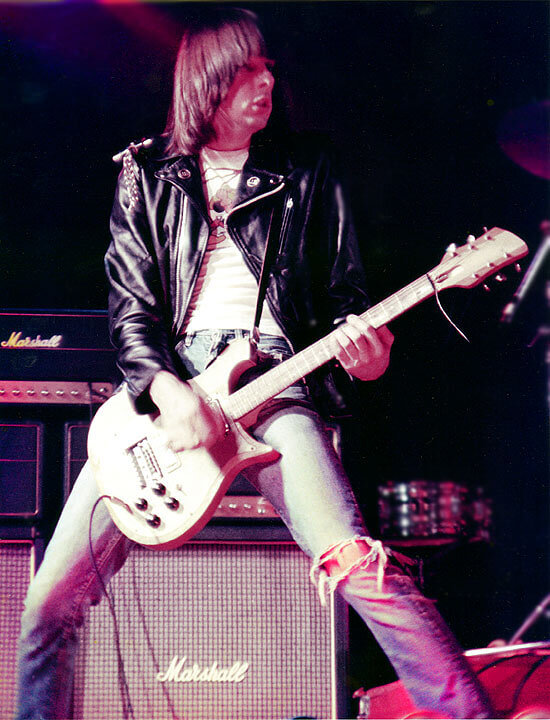
Ramone proved that attitude and rhythmic precision were just as important as technical virtuosity. His blistering style became the foundational blueprint for punk rock and heavy metal rhythm playing worldwide.
Bo Diddley (Deceased), The Creator of the Signature Beat
Introducing a heavily syncopated, Afro-Cuban rhythm to mainstream music, Bo Diddley created a foundational groove that literally bears his name. He utilized custom-built, rectangular instruments to deliver a percussive, heavily tremolo-drenched sound that blurred the lines between the rhythm section and the lead melody. Instead of focusing on single-note solos, he treated his instrument like a drum, scratching and scraping the strings to generate an infectious, primal energy. He reportedly built his first instruments out of cigar boxes, showcasing an early inventive spirit that defined his entire career.
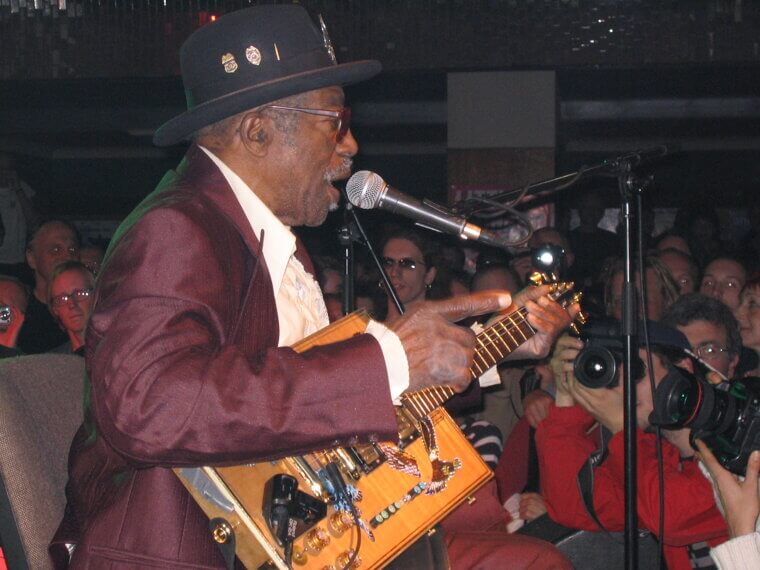
Diddley fundamentally altered the rhythmic possibilities of rock and roll, leaving an indelible mark on the genre. His iconic beat continues to be utilized by countless artists across all styles of popular music.
Brian May, The Master of Symphonic Harmonies
Constructing elaborate, multi-layered orchestrations, Brian May brought a distinctly classical sensibility to the world of arena rock. He famously played an instrument built entirely from scratch with his father, utilizing pieces of an old fireplace and a motorcycle valve springs to achieve a totally unique tone. By carefully recording dozens of harmonized tracks, he made his instrument sound like a massive string section, creating majestic melodies that soared above heavy rhythm parts.
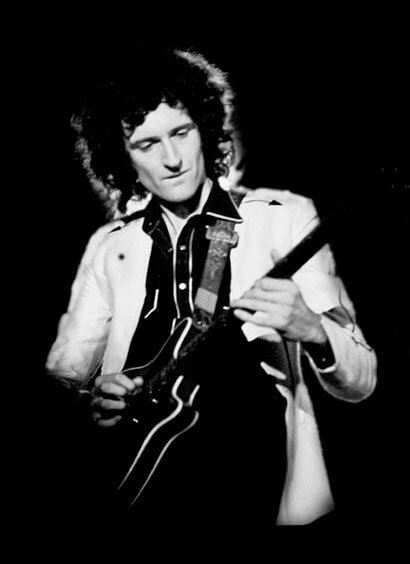
He allegedly prefers using a simple sixpence coin instead of a traditional plastic pick to give his attack a sharper, more metallic bite. May combined extreme technical precision with immense melodic theatricality, helping to define the sound of symphonic rock. His soaring solos remain some of the most recognizable in music history.
Tony Iommi, The Undisputed Godfather of Heavy Riffs
Establishing the ominous sonic foundation for the entire heavy metal genre, Tony Iommi crafted some of the most famous, crushing riffs in musical history. After suffering a severe factory accident that damaged his fingertips, he utilized custom-made thimbles and detuned strings to make playing more comfortable. This necessary adjustment inadvertently created a darker, sludgier tone that perfectly matched the doom-laden themes of his band's legendary early recordings. He reportedly spent endless hours writing monolithic chord progressions that relied heavily on musical intervals previously considered too dissonant for popular rock.
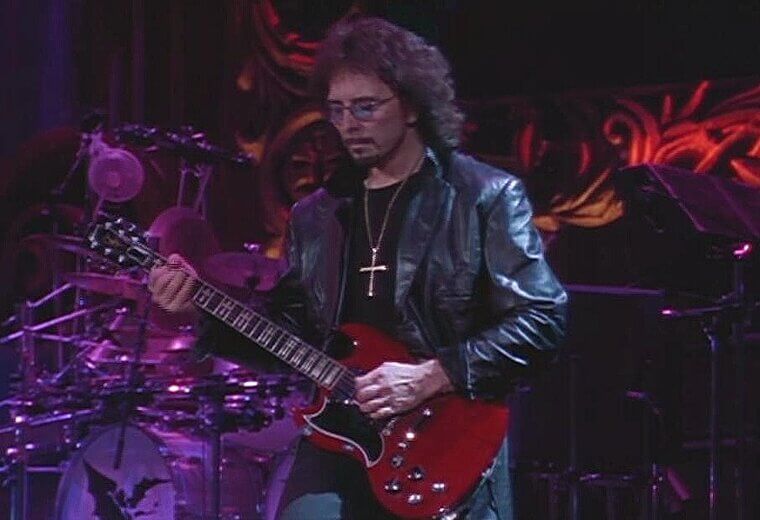
Iommi demonstrated that sheer heaviness and menacing atmosphere could captivate millions of listeners. His unparalleled influence is felt in every single metal band that has formed over the last five decades.
Angus Young, The High-Voltage Riff Machine
Delivering relentless, blues-drenched hard rock with explosive energy, Angus Young became the ultimate symbol of high-voltage performance. He utilized a ferocious, biting tone achieved by plugging straight into cranked vintage amplifiers, avoiding complex pedalboards to maintain a pure, uncompromising sound. His solos were a masterclass in frantic, adrenaline-fueled blues phrasing, heavily relying on massive string bends and frantic vibrato that mirrored his chaotic stage presence. He allegedly never stops moving during a performance, sprinting across massive stages while executing flawless, intricate rhythm parts without missing a beat.
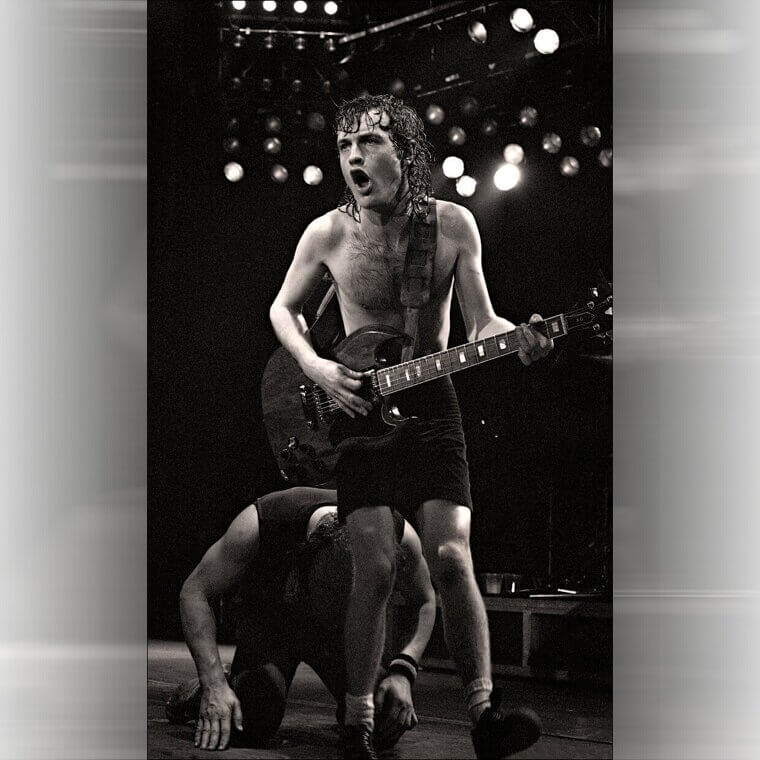
Young proved that sticking to classic rock structures with unwavering conviction can produce timeless results. His iconic rhythm playing remains the benchmark for pure, unadulterated rock and roll attitude.
Buddy Guy, The Chicago Blues Showman
Bringing unparalleled theatricality and explosive dynamics to the Chicago blues, Buddy Guy fundamentally changed how the instrument could be played live. He utilized extreme volume jumps, moving from a whispering, delicate trill to a screaming, distorted wail in the blink of an eye, keeping audiences entirely captivated. His chaotic, unpredictable soloing style pushed the boundaries of traditional blues, incorporating wild bends, intense feedback, and rapid-fire picking sequences. He reportedly influenced a wave of iconic British rock musicians who traveled to see his legendary, high-energy club performances in the 1960s.
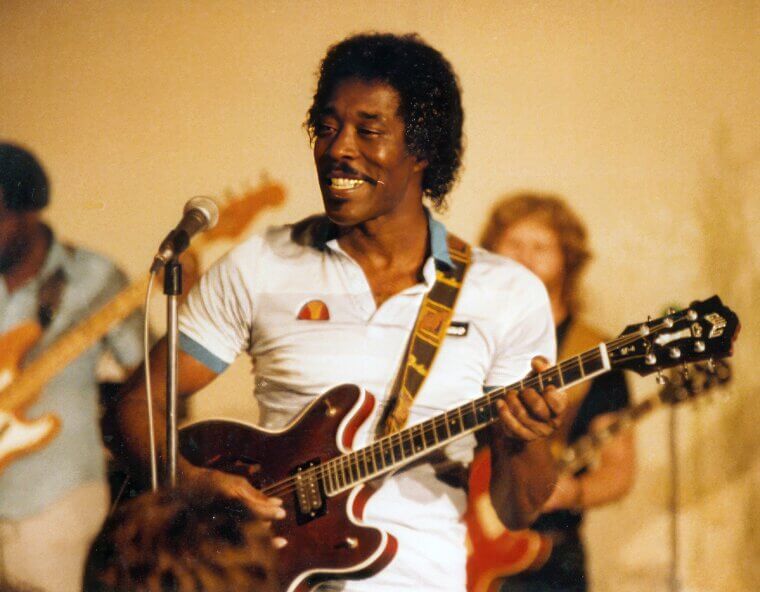
Guy demonstrated that traditional roots music could be performed with the reckless abandon of modern rock. His enduring career serves as a vital bridge between classic blues and heavy rock guitar.
Frank Zappa (Deceased), The Unpredictable Avant-Garde Maestro
Merging complex jazz orchestration with searing rock soloing, Frank Zappa existed in a musical universe completely his own. He treated his live performances as sprawling improvisational experiments, regularly employing unconventional time signatures and bizarre scales that challenged the listener's expectations. His playing was characterized by a distinctively nasal, heavily modified tone that he utilized to weave dense, angular melodies across extended instrumental sections. He allegedly demanded absolute perfection from his bandmates, rigorously rehearsing them to keep up with his sudden, spontaneous musical deviations.
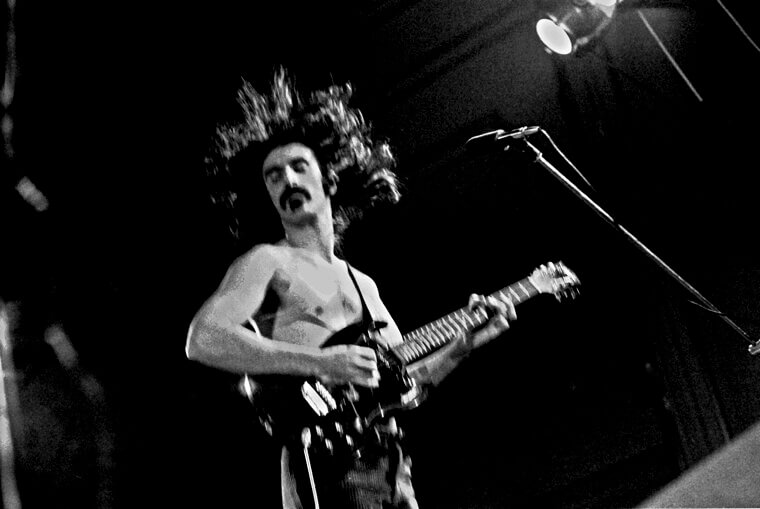
Zappa proved that rock guitar could be just as intellectually demanding and technically rigorous as classical composition. His vast, eclectic catalog remains a treasure trove for musicians seeking highly unconventional approaches to the instrument.
Chet Atkins (Deceased), The Master of Fingerstyle Precision
Setting the ultimate standard for country and jazz fingerpicking, Chet Atkins possessed a sophisticated, flawless technique that sounded impossibly complex. He popularized a style where the thumb played a steady, alternating bassline while the fingers picked syncopated melodies, creating the illusion of two guitarists playing simultaneously. His pristine, polished tone helped define the legendary Nashville sound, bringing a new level of refinement to popular country music recordings. He reportedly spent his entire life analyzing different musical styles, effortlessly incorporating jazz chords and classical phrasing into traditional folk songs.
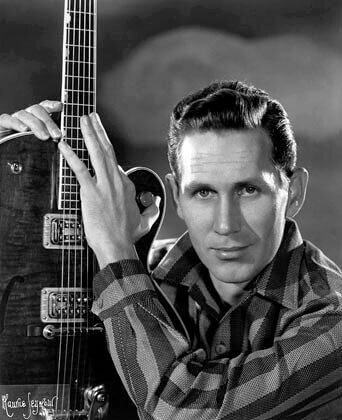
Atkins demonstrated that the instrument could function as a complete solo orchestra in the right hands. His elegant playing continues to inspire acoustic and electric fingerstyle players across the globe.
Carlos Santana, The Latin Rock Pioneer
Infusing fiery blues-rock with vibrant Afro-Latin rhythms, Carlos Santana created a sensual, soaring sound that bridged multiple cultural divides. His signature tone is famous for its endless sustain, allowing him to hold single, crying notes that hover beautifully over complex percussion sections. He relies heavily on the Dorian mode and expressive string bending to craft melodic phrases that sound deeply spiritual and highly emotional. He allegedly views his playing as a form of meditation, striving to connect directly with the audience on a profound, transcendental level.
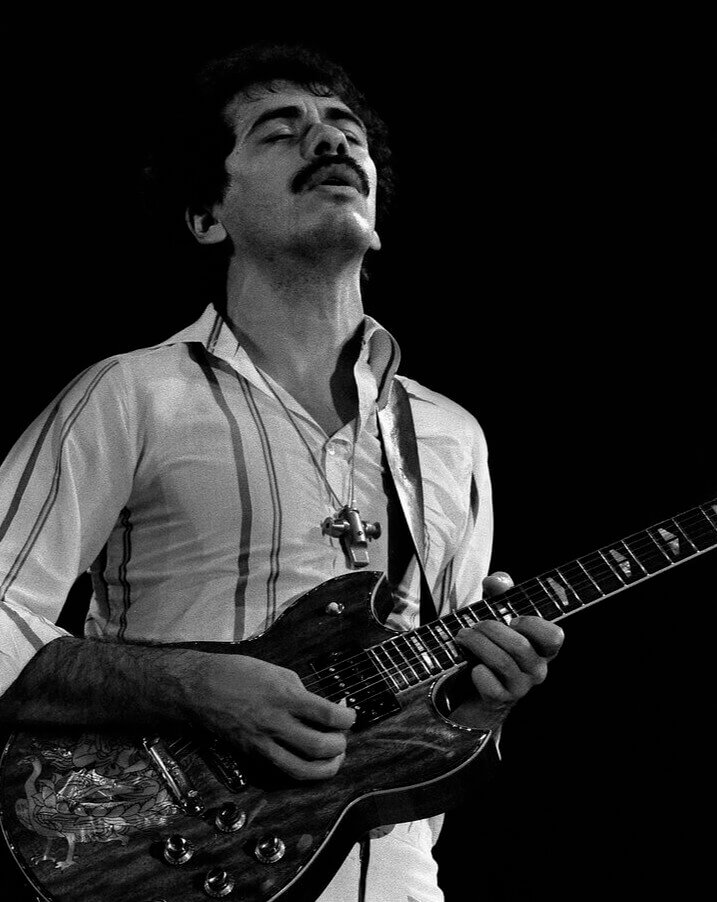
Santana proved that instrumental guitar lines could be just as memorable and catchy as traditional vocal hooks. His pioneering fusion of styles has made him one of the most recognizable musicians in the world.
James Burton, The Master of the Telecaster
Providing the driving twang behind countless rock and country classics, James Burton defined the sound of the electric guitar for early television audiences. He popularized the chicken-pickin' technique, utilizing a flat pick and metal fingerpicks to produce a snappy, percussive tone that leaped out of the speakers. His crisp, concise solos were flawlessly constructed, offering the perfect melodic counterpoint to some of the most famous vocalists of the era. He reportedly recorded his most iconic solos in single takes, relying on his razor-sharp instincts and immense studio experience.
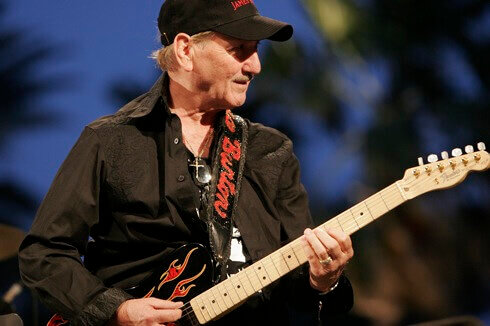
Burton showed that technical brilliance could be applied perfectly within the strict confines of pop radio formats. His legendary riffs laid the essential groundwork for modern country lead playing.
Les Paul (Deceased), The Innovator of the Solid Body
Serving as both a brilliant performer and a revolutionary inventor, Les Paul fundamentally altered the trajectory of modern music recording. He was a dazzling jazz virtuoso who utilized lightning-fast runs and complex chordal arrangements to create hugely popular instrumental hits. Beyond his playing, he pioneered multi-track recording, overdubbing, and delay effects, inventing the very studio techniques that define contemporary music production. He reportedly spent years building experimental solid-body instruments in his garage to eliminate the feedback issues that plagued hollow-body designs.
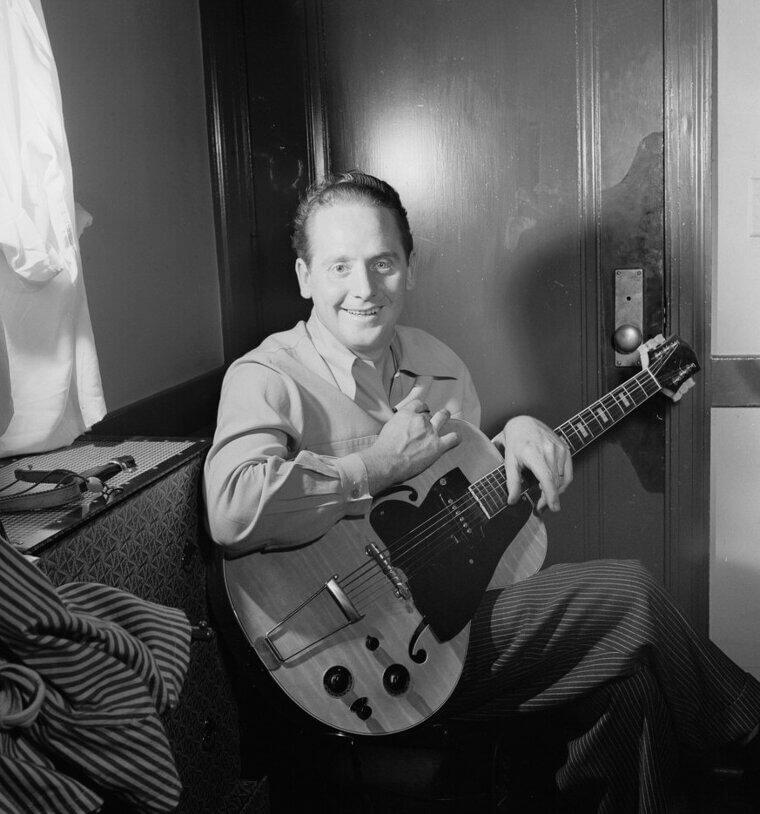
Paul demonstrated that technological innovation and musical virtuosity could go hand-in-hand to create entirely new genres. His name remains permanently attached to one of the most iconic and widely used instruments in history.
Neil Young, The Godfather of Grunge Distortion
Embracing raw emotion over technical perfection, Neil Young created a massive, uncompromising sound characterized by feedback and ragged, aggressive soloing. He frequently played his instrument through violently overdriven vintage amplifiers, generating a volatile tone that felt constantly on the verge of exploding. His extended improvisations were marked by jagged, stomping rhythms and soaring, single-note melodies that prioritized feeling above traditional musical scales. He allegedly preferred to record his solos live in the studio, refusing to polish away the mistakes in order to preserve the authentic, spontaneous energy of the performance.
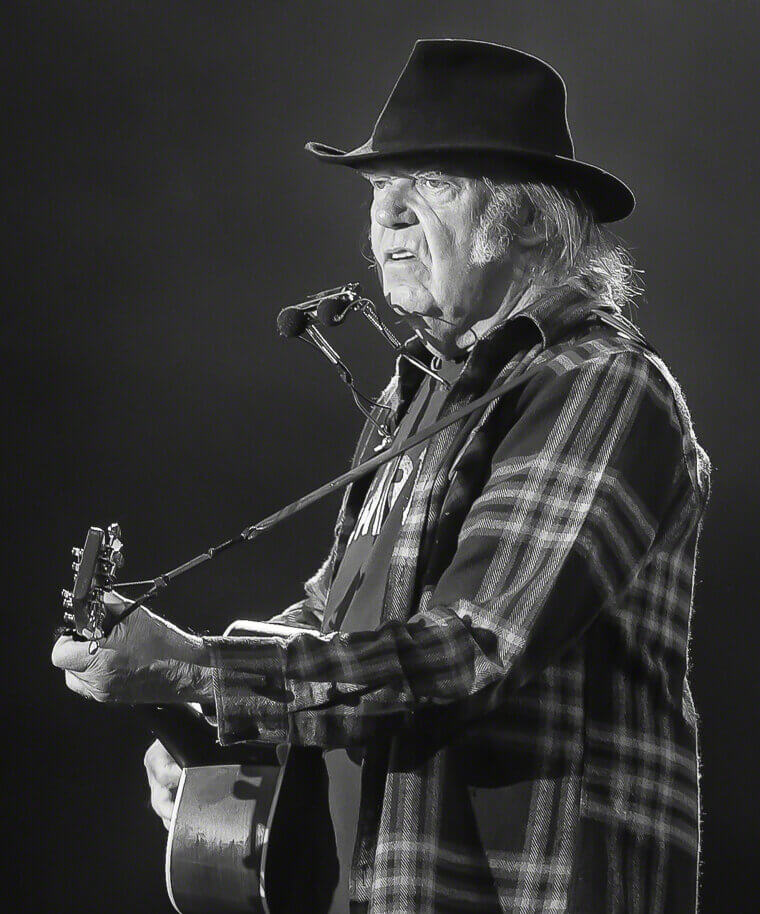
Young proved that passion and volume could create a deeply moving sonic experience. His distorted, heavy acoustic style heavily influenced the alternative rock movement of the 1990s.
Derek Trucks, The Modern Slide Prodigy
Mastering the intricate vocal nuances of the slide guitar, Derek Trucks has elevated the technique to an astonishing new level of sophistication. He plays exclusively in open E tuning, using a heavy glass slide to weave complex, microtonal melodies that borrow heavily from traditional Indian classical music. His tone is incredibly warm and singing, achieved by playing without a pick and utilizing precise finger control to manipulate the strings. He reportedly spent his childhood touring with legendary blues veterans, absorbing decades of musical wisdom before he was even a teenager.
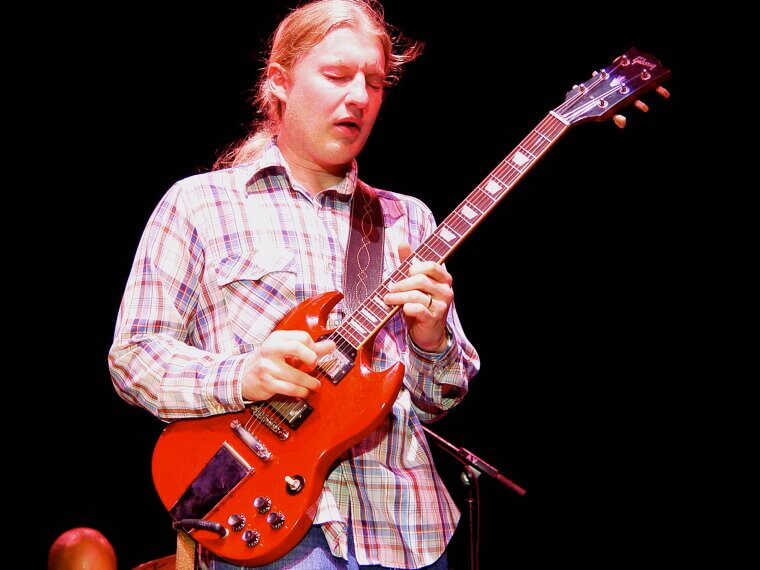
Trucks demonstrated that the slide guitar could transcend blues clichés to express profound, worldly emotions. He is widely considered the finest practitioner of the style currently performing today.
Freddie King (Deceased), The Texas Cannonball
Combining intense, fiery vocals with an equally aggressive lead style, Freddie King was a towering force in the electric blues movement. He utilized metal fingerpicks to achieve a biting, stinging attack that allowed his intricate, fast-paced Texas shuffles to cut through the mix with absolute authority. His instrumental tracks became mandatory learning material for aspiring blues musicians, featuring brilliant, memorable hooks that bridged the gap between traditional blues and instrumental surf rock.
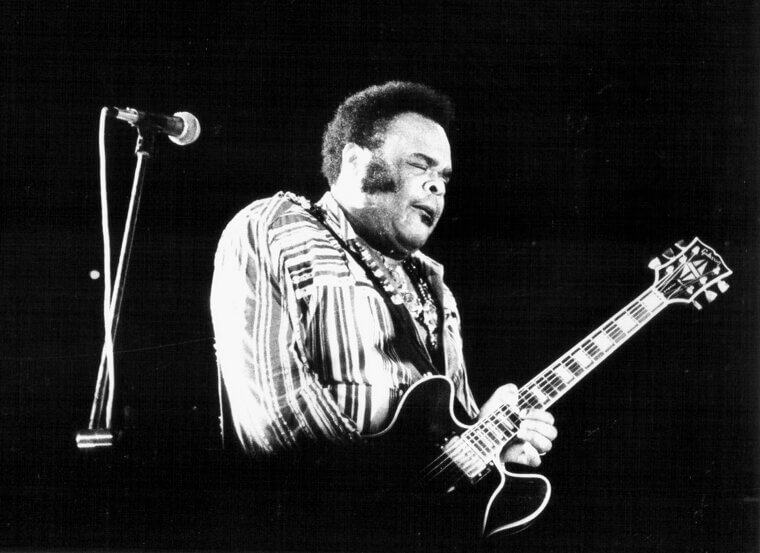
He allegedly influenced an entire generation of British guitarists who studied his phrasing heavily to develop their own hard-rocking lead techniques. King proved that the blues could be fiercely driving and deeply melodic at the same time. His powerful legacy lives on in nearly every modern blues-rock solo.
David Gilmour, The Architect of Atmospheric Solos
Renowned for his majestic, soaring phrasing, David Gilmour crafted some of the most emotionally devastating solos in the history of progressive rock. He prioritized impeccable tone and precise string bending over sheer speed, ensuring that every single note carried immense emotional weight. His playing utilized sweeping delay and modulation effects to create vast, cinematic textures that perfectly matched his band's conceptual, space-oriented themes. He allegedly agonized over his studio setups, carefully blending different amplifiers and custom-built pedals to achieve his crystal-clear, sustaining tone.
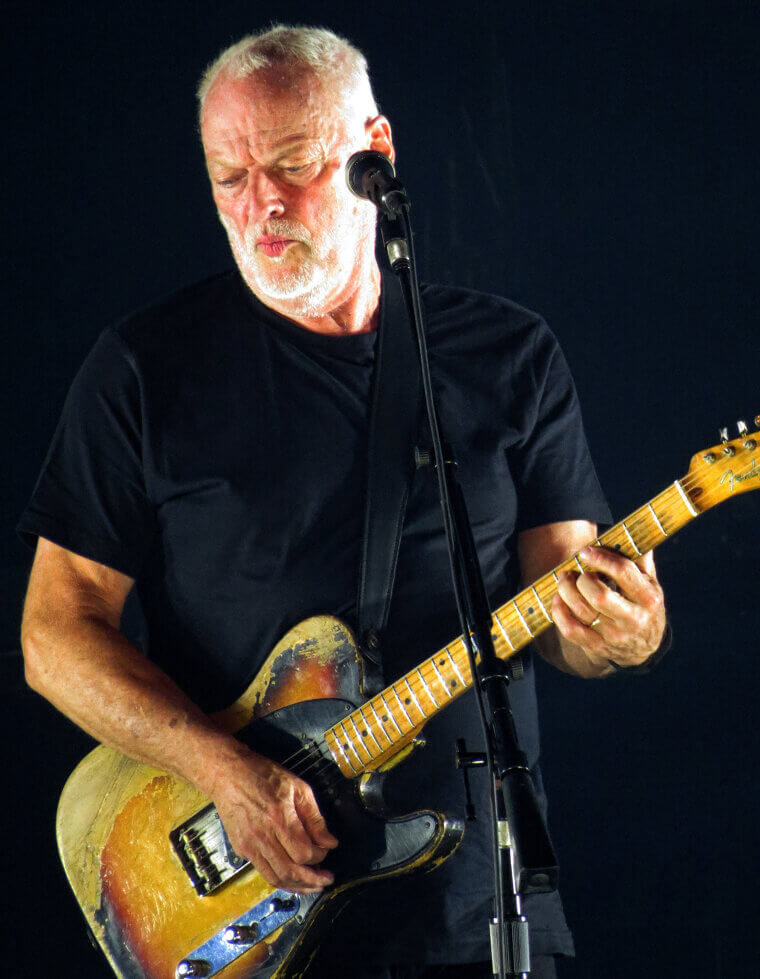
Gilmour demonstrated that a slow, deliberate approach could yield profoundly moving musical landscapes. His masterful restraint and melodic brilliance remain the ultimate benchmark for atmospheric guitar playing.
Albert King (Deceased), The Master of the Flying V
Playing a right-handed instrument flipped entirely upside down, Albert King created a radically unique bending style that defined modern electric blues. By pulling the strings downward instead of pushing them up, he achieved massive, multi-step bends that possessed an incredibly muscular, vocal quality. His playing was heavily rhythmic and relied on a sparse, punchy vocabulary that hit the listener with the force of a hammer. He reportedly tuned his instrument in bizarre, unconventional ways, making it nearly impossible for traditional players to accurately replicate his signature, stinging licks.
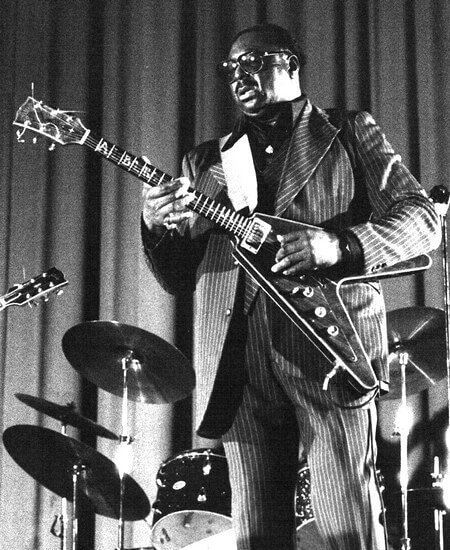
King proved that feeling and raw power were the most crucial elements of blues soloing. His imposing presence and unmistakable tone deeply influenced countless rock legends who adopted his aggressive bending techniques.
Stevie Ray Vaughan (Deceased), The Texas Blues Hurricane
Revitalizing the blues genre in the 1980s, Stevie Ray Vaughan performed with a relentless, fiery intensity that left audiences completely spellbound. He utilized exceptionally heavy gauge strings tuned down a half-step, allowing him to deliver an incredibly thick, punishing tone while executing rapid, aggressive bends. His rhythm playing was just as spectacular as his lead work, featuring complex, driving shuffles that seamlessly integrated chords and single-note runs. He allegedly played with such physical force that he frequently wore down his calluses, yet he never compromised the blistering energy of his live shows.
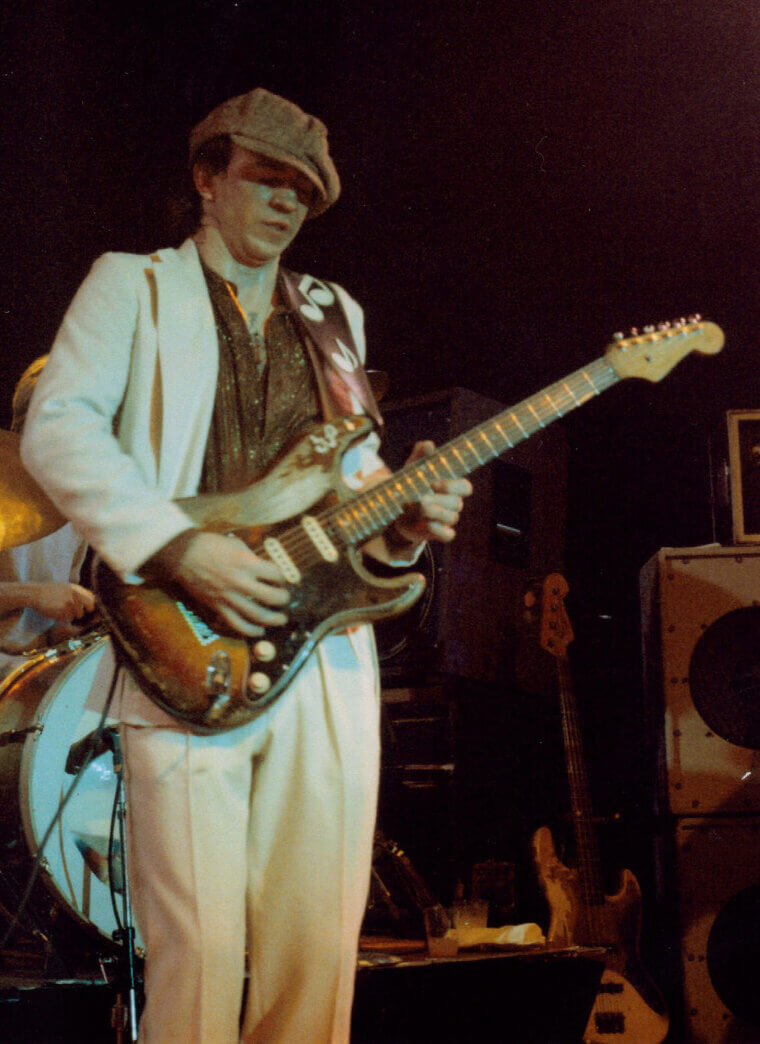
Vaughan demonstrated an unmatched technical proficiency combined with profound soulfulness. His tragic passing left a massive void, but his catalog remains a sacred text for blues enthusiasts.
George Harrison (Deceased), The Quietly Brilliant Melodist
Serving as the perfect musical counterpoint in the most famous band in history, George Harrison crafted solos that were essentially perfect mini-compositions. He avoided flashy, self-indulgent shredding, instead focusing on melodic, highly structured lead lines that dramatically enhanced the narrative of the song. His later adoption of the slide guitar introduced a distinctive, weeping tone that became a crucial element of his deeply spiritual solo career. He reportedly spent hours meticulously working out his studio solos in advance, ensuring that every single phrase served the overarching needs of the production.
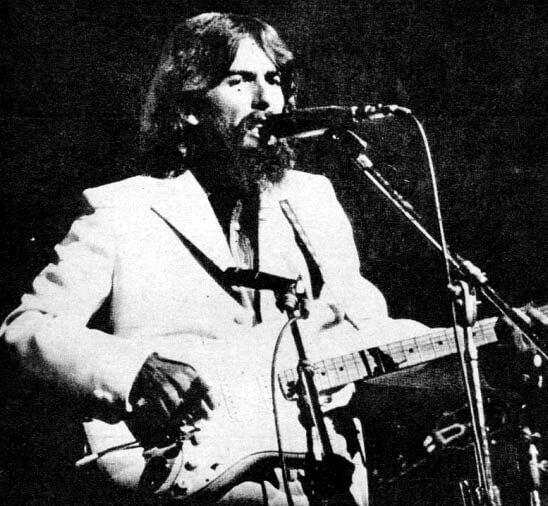
Harrison proved that a lead guitarist could be profoundly impactful through subtlety and grace. His tasteful, memorable playing continues to influence musicians who value melody over pure technical flash.
Pete Townshend, The Power Chord Pioneer
Propelling the British Invasion with aggressive, windmilling intensity, Pete Townshend established the power chord as the ultimate weapon in rock music. He focused heavily on driving rhythm playing, utilizing massive stacks of amplifiers to create a distorted, symphonic wall of sound that revolutionized live performance. His dynamic approach effortlessly shifted from delicate, finger-picked acoustic passages to violent, crashing electric barrages within the same composition. He allegedly smashed dozens of instruments during his early career, treating the guitar as both a musical tool and a piece of explosive performance art.
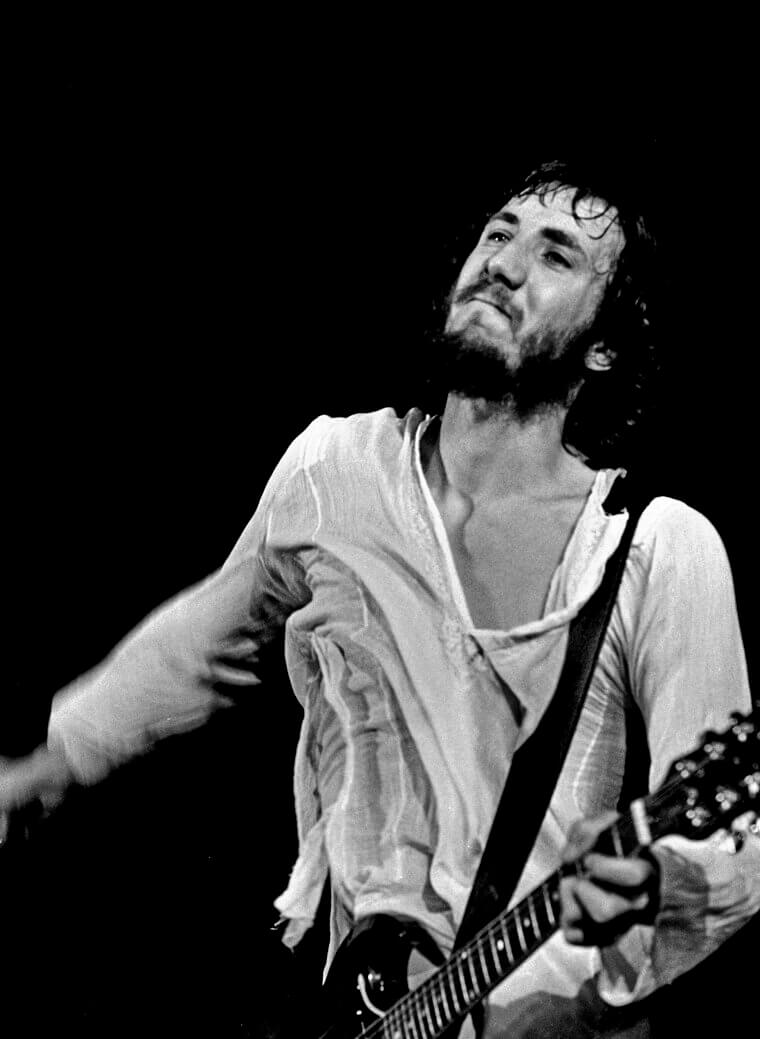
Townshend demonstrated that the rhythm guitar could easily take center stage in a rock format. His brilliant conceptual songwriting was perfectly matched by his fiercely innovative playing style.
Duane Allman (Deceased), The Southern Rock Slide Legend
During his tragically short career, Duane Allman established himself as an absolute titan of southern rock and improvisational blues. His slide playing was astonishingly fluid and precise, mimicking the cadence of a human voice with breathtaking emotional depth. He possessed an incredible ability to jam for extended periods, weaving complex, harmonized lines with his bandmates that elevated rock music to the level of intricate jazz exploration. He reportedly spent his early years as a highly sought-after session musician, adding unforgettable, searing leads to classic soul and rhythm and blues records.
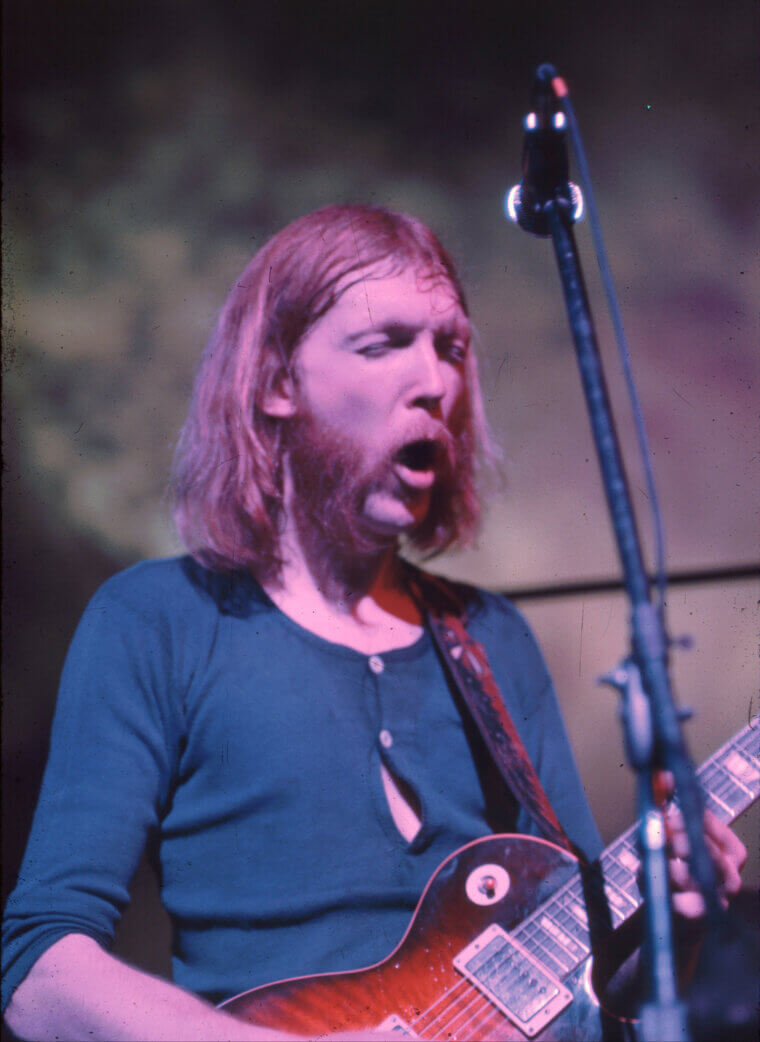
Allman proved that the slide guitar could be a vehicle for soaring, majestic musical journeys. His legacy as a fearless improviser remains entirely unmatched in the genre.
Eddie Van Halen (Deceased), The Tapping Virtuoso
Completely rewriting the rulebook for the electric guitar, Eddie Van Halen burst onto the scene with a dazzling array of previously unimaginable techniques. He popularized the two-handed tapping method, creating lightning-fast, cascading arpeggios that sounded like a classical keyboard played at blistering speeds. His legendary "brown sound" was achieved through obsessive gear modifications, combining a warm, overdriven amplifier tone with a homemade instrument that became an iconic piece of rock history.
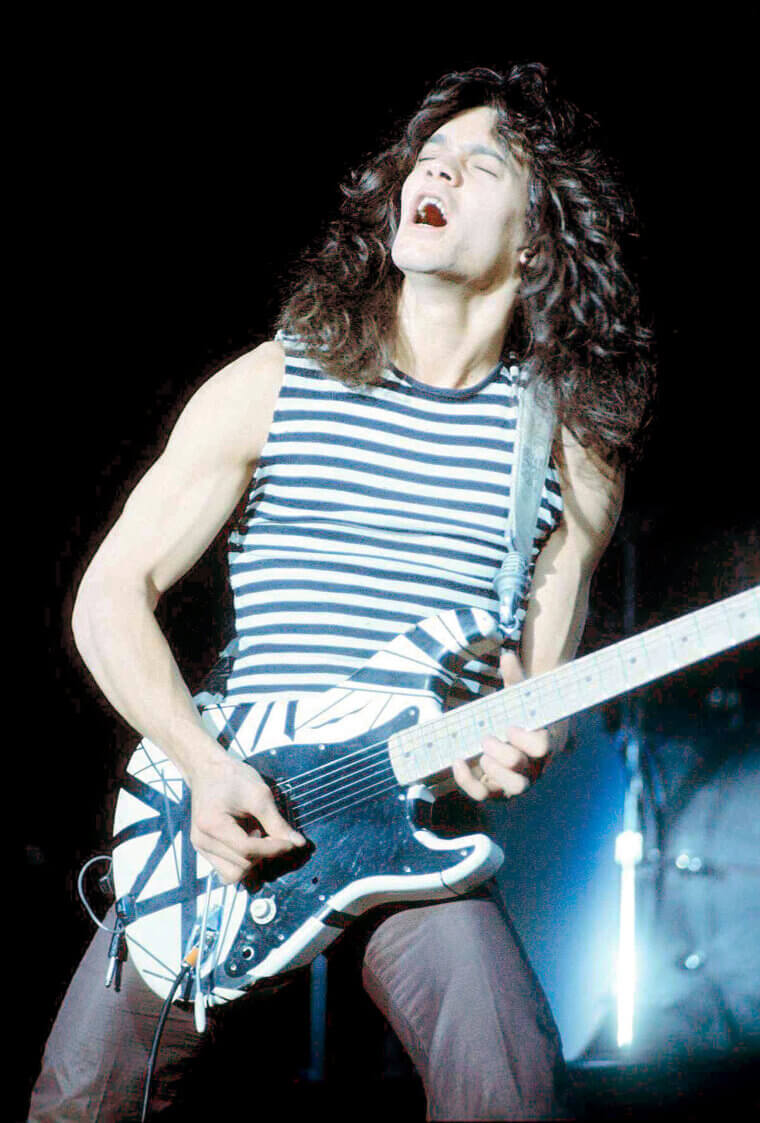
He allegedly hid his hands during early performances to prevent competing musicians from stealing his revolutionary new playing style. Van Halen demonstrated a joyous, smiling approach to virtuosic shredding that was highly infectious. He fundamentally changed how millions of people approached the instrument.
Chuck Berry (Deceased), The Architect of Rock and Roll
By combining driving country rhythms with the swagger of the blues, Chuck Berry literally laid the foundational blueprint for rock and roll guitar. His signature double-stop licks and galloping rhythm patterns became the universal vocabulary for nearly every popular band that followed in his wake. He crafted brilliant, concise solos that perfectly matched his clever, narrative songwriting, ensuring that the guitar was just as important to the story as the lyrics.
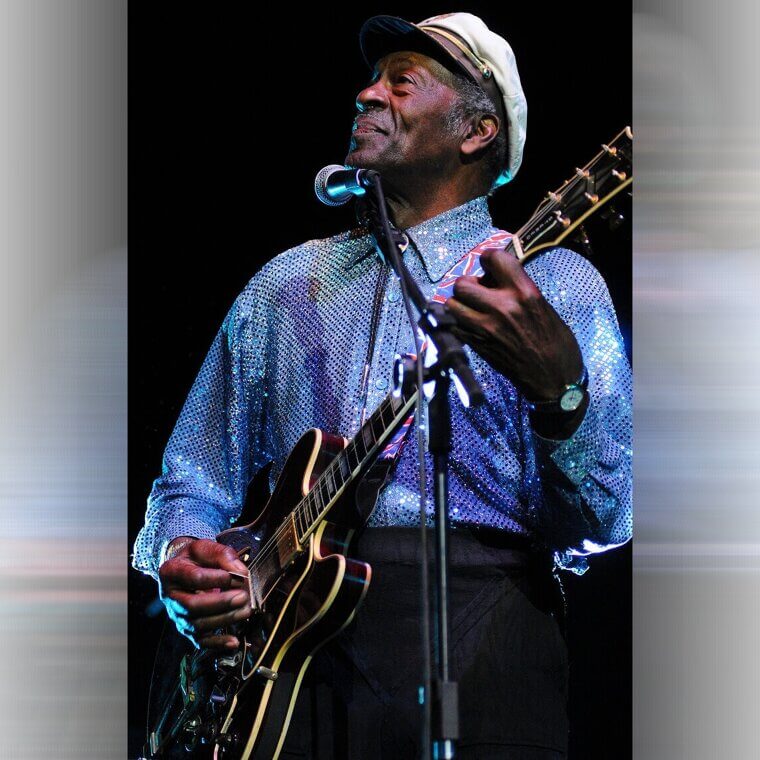
He reportedly developed his famous "duck walk" to distract audiences from wrinkled suits, inadvertently creating one of the most famous stage moves in history. Berry proved that the electric guitar could be the driving focal point of popular youth culture. His timeless riffs are the absolute bedrock of modern music.
B. B. King (Deceased), The King of the Blues
Possessing the most recognizable vibrato in the history of music, B.B. King communicated profound emotion through elegant, stinging single-note phrases. He never played chords while singing, instead treating his guitar as a distinct, answering voice that responded directly to his powerful vocal lines. His sophisticated, jazz-inflected note choices elevated the blues from rural roadhouses to the world's most prestigious concert halls. He allegedly named his beloved instrument after a woman who caused a frantic fire at a dance hall, cementing the legend of his lifelong musical companion.
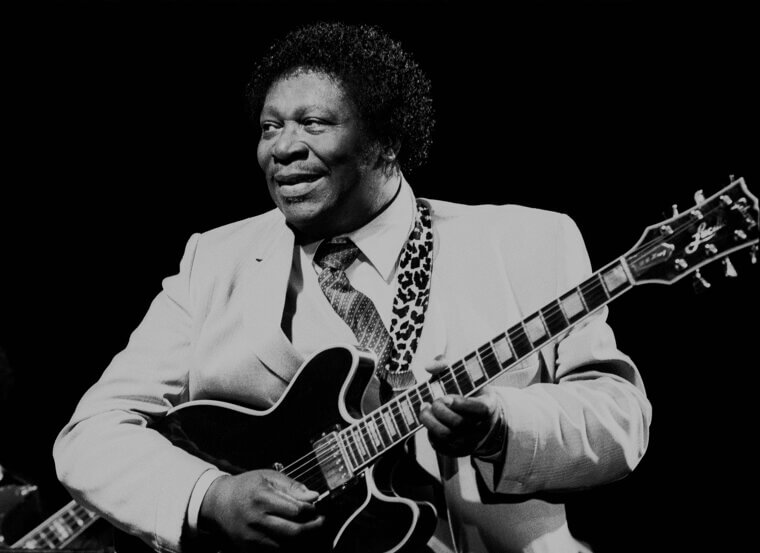
King demonstrated that a single, perfectly placed note could convey more feeling than a hundred rapid-fire licks. His regal presence and flawless touch made him the ultimate ambassador for the genre.
Jeff Beck (Deceased), The Unmatched Sonic Explorer
Constantly pushing the physical limitations of the instrument, Jeff Beck possessed a wildly unpredictable style that defied all genre categorizations. He relied heavily on his fingers, the volume knob, and the tremolo arm to manipulate the pitch and tone in ways that sounded beautifully alien. His phrasing could seamlessly shift from brutal, aggressive snarls to breathtaking, lyrical melodies that mirrored the nuances of the human voice. He reportedly refused to rely on standard pedalboards, generating his vast array of sounds entirely through his hands and sheer volume.
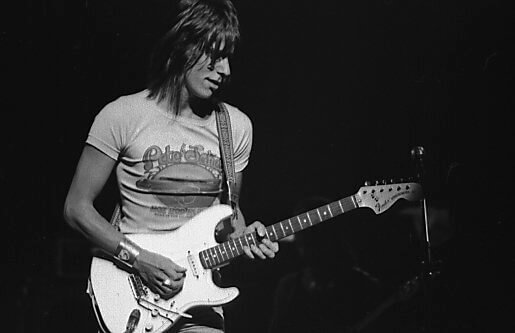
Beck proved that the electric guitar was capable of infinite sonic possibilities in the hands of a fearless innovator. His unparalleled technical mastery and emotional depth left fellow musicians in absolute awe.
Keith Richards, The Human Riff Machine
Defining the dangerous, swaggering attitude of rock and roll, Keith Richards created some of the most enduring, infectious riffs in musical history. He popularized the use of open G tuning with the lowest string removed, allowing him to effortlessly hammer out massive, syncopated rhythm parts that possessed a brilliant, chiming clarity. His playing prioritizes a deep, swinging pocket over technical perfection, resulting in a loose, driving groove that makes audiences immediately want to move.
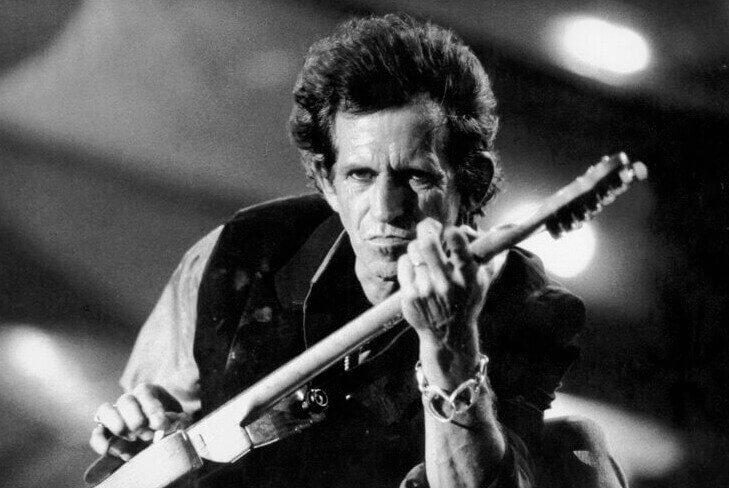
He allegedly considers the spaces between the notes just as important as the notes themselves, heavily relying on instinct and rhythmic interplay. Richards demonstrated that rock guitar is fundamentally about feel and attitude rather than flashy soloing. His legendary riffs are permanently etched into the cultural zeitgeist.
Jimmy Page, The Heavy Blues Riff Master
Serving as the ultimate architect of heavy rock orchestration, Jimmy Page combined mystical folk elements with colossal, thunderous blues riffs. His studio production skills were deeply intertwined with his playing, allowing him to layer multiple acoustic and electric tracks to create a sprawling, epic soundscape. His chaotic, fiery soloing style was characterized by daring string bends and a reckless, slinky swagger that perfectly embodied the excess of the 1970s rock era.
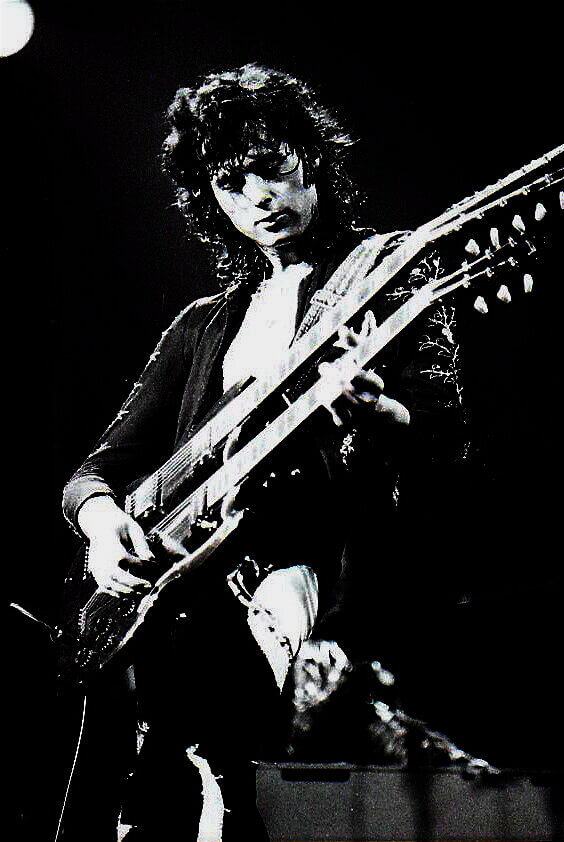
He reportedly utilized a violin bow during extended live improvisations, generating eerie, psychedelic textures that expanded the instrument's dramatic potential. Page proved that a rock guitarist could be a visionary composer, producer, and performer all at once. His monumental catalog remains the definitive textbook for heavy rock musicians.
Eric Clapton, The Slowhand Blues Legend
Elevating the electric blues to unprecedented levels of commercial and critical success, Eric Clapton is celebrated for his searing, emotional lead playing. During his early career, he famously plugged a solid-body guitar into a fully cranked combo amplifier, defining the thick, sustaining "woman tone" that revolutionized rock music. His phrasing is highly melodic and deeply rooted in the traditions of historic American blues masters, yet delivered with a modern, fiery urgency.
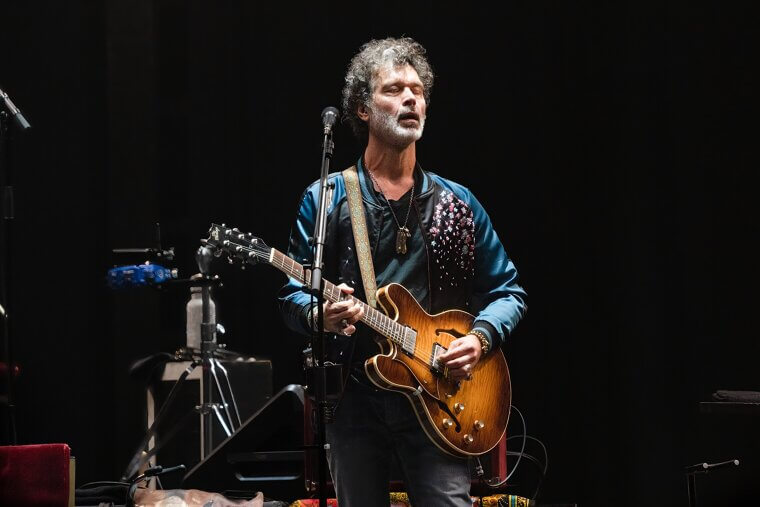
He allegedly earned his famous nickname due to his habit of remaining on stage to slowly replace broken strings while audiences engaged in a slow handclap. Clapton demonstrated an extraordinary ability to adapt his masterful playing across multiple decades and genres. He remains one of the most widely respected instrumentalists in history.
Jimi Hendrix (Deceased), The Ultimate Six-String Pioneer
Shattering every conceivable boundary of the electric guitar, Jimi Hendrix completely reimagined what the instrument was capable of producing. He fused beautiful, R&B-inspired chordal work with violently expressive, psychedelic lead lines, utilizing extreme feedback and heavy distortion as legitimate musical tools. His live performances were explosive, otherworldly events where he would effortlessly play behind his back or with his teeth, turning the guitar into an extension of his own body.
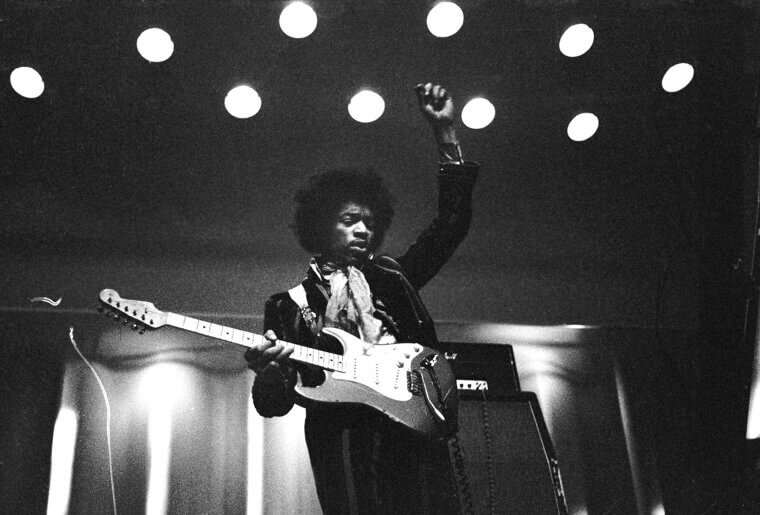
He reportedly spent almost every waking moment with an instrument in his hands, constantly exploring new ways to manipulate the electronic signal of his amplifiers. Hendrix proved that the guitar could be an infinite canvas for radical sonic exploration. His revolutionary impact on modern music remains completely unsurpassed.