
Are you holding onto a fortune without even realizing it? Dust off those old cardboard boxes and check your vintage vinyl collection, because these highly sought-after classic rock records could be worth a significant amount of money. Start searching your attic today!
The Beatles (White Album), 1968, The Beatles: $790,000
This iconic double LP is famous for its minimalist artwork and holds the record for the highest price ever paid for a commercially released album, largely because the very first pressing belonged to drummer Ringo Starr. The unique serial number printed on the cover, specifically 0000001, signifies its status as the initial copy produced during the original manufacturing run. Collectors fiercely seek out low numbers from this era, but securing the absolute first one is an unmatched feat in music memorabilia. It reportedly remained in a pristine vault for decades before hitting the auction block.
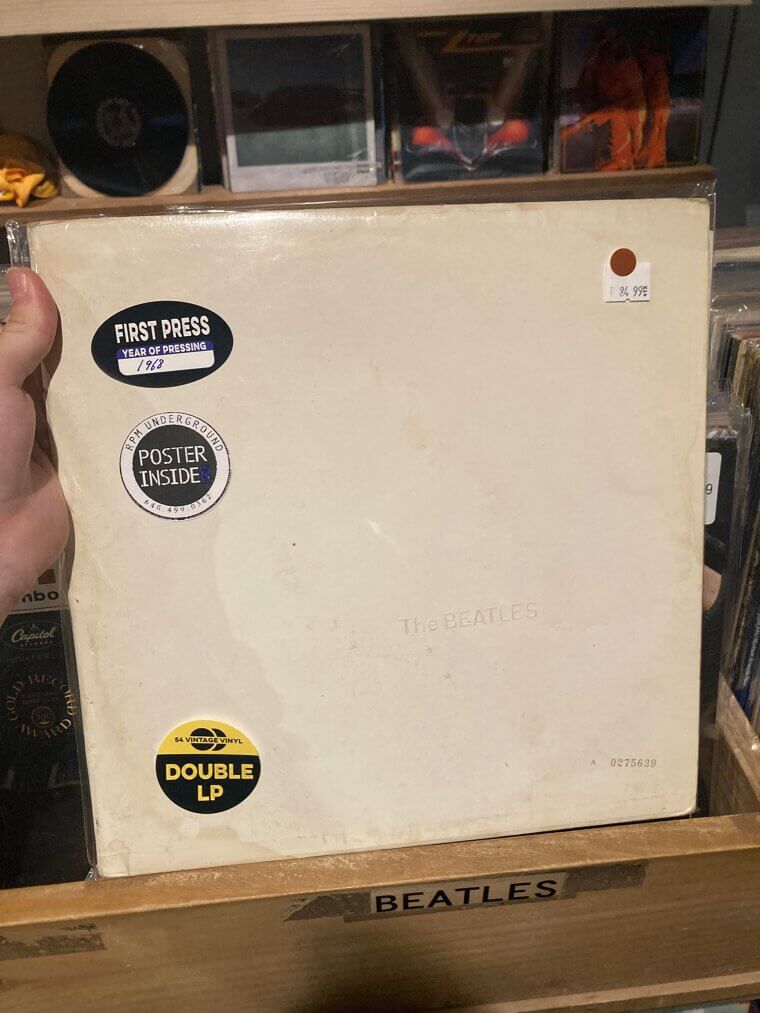
If you happen to stumble across a copy with a noticeably low serial number stamped on the front, you might be sitting on a goldmine. Its value heavily depends on the condition of the vinyl and the presence of the original poster and photographs.
The Freewheelin' Bob Dylan, 1963, Bob Dylan: $35,000
Shortly before this folk masterpiece hit store shelves in the early sixties, several tracks were abruptly replaced due to a variety of reported broadcasting and production disputes. A tiny handful of stereo pressings featuring the original tracklist accidentally slipped into circulation before the record label could halt the presses and recall the initial batch. Finding one of these rare misprints is often considered the holy grail for dedicated fans of the legendary singer-songwriter. The withdrawn songs showcase a slightly different artistic direction that was ultimately shelved for decades.
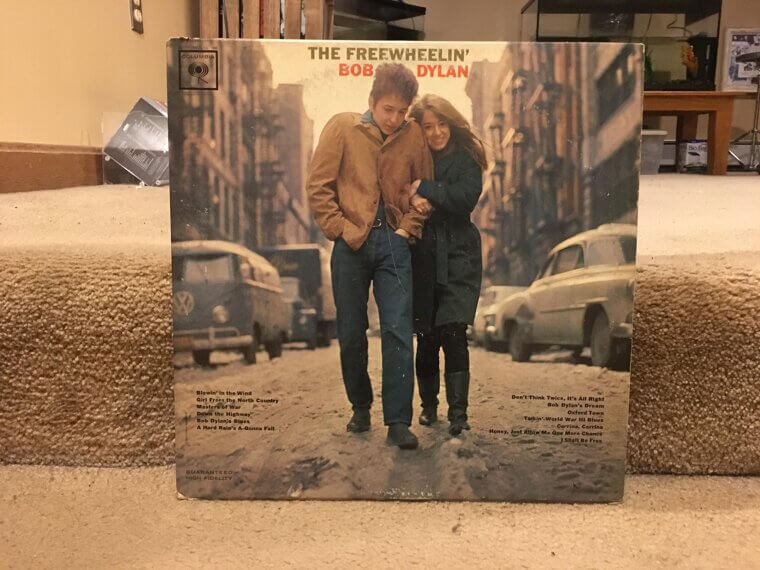
Checking the specific matrix numbers etched into the run-out groove is the only definitive way to verify if you possess this sought-after rarity. Many people mistakenly believe they have the valuable version, but a close inspection of the actual tracklist is always required.
Yesterday and Today, 1966, The Beatles: $125,000
The infamous butcher cover of this mid-sixties compilation album caused an immediate public uproar upon its release, prompting the record company to swiftly recall the controversial shipments. Instead of destroying the inventory, executives decided to paste a harmless photograph of the band sitting around a steamer trunk directly over the offending image to save money. Astute fans eventually realized they could carefully peel away the new sticker to reveal the gruesome original picture underneath. Pristine, unpeeled versions that survived the recall process are incredibly scarce and highly prized by serious music historians.
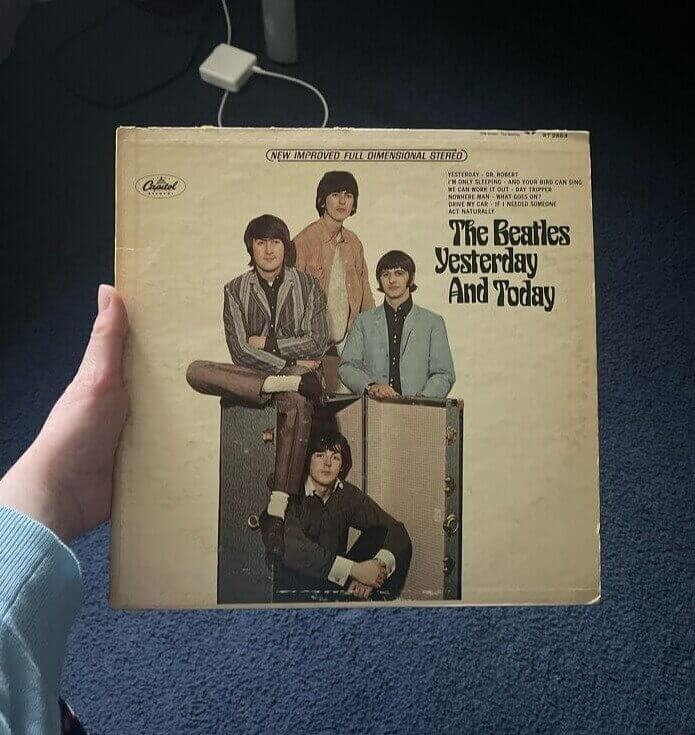
Discovering an intact first state pressing hidden among regular records can yield a massive payday for lucky collectors. The market remains incredibly strong for this specific piece of pop culture history due to the fascinating story behind its brief availability.
Led Zeppelin, 1969, Led Zeppelin: $1,000
During the initial rollout of this groundbreaking hard rock debut, the band's name and the famous Atlantic Records logo were printed using a distinct turquoise blue ink on the front sleeve. After a very short production window, the artwork designers decided to switch the lettering color to a vibrant orange, which remained the standard for all subsequent reissues over the following decades. Those few surviving early copies featuring the original blue typography have become incredibly desirable among dedicated enthusiasts of the legendary British rock quartet. The subtle color variation is a prime example of how minor manufacturing changes create immense value.
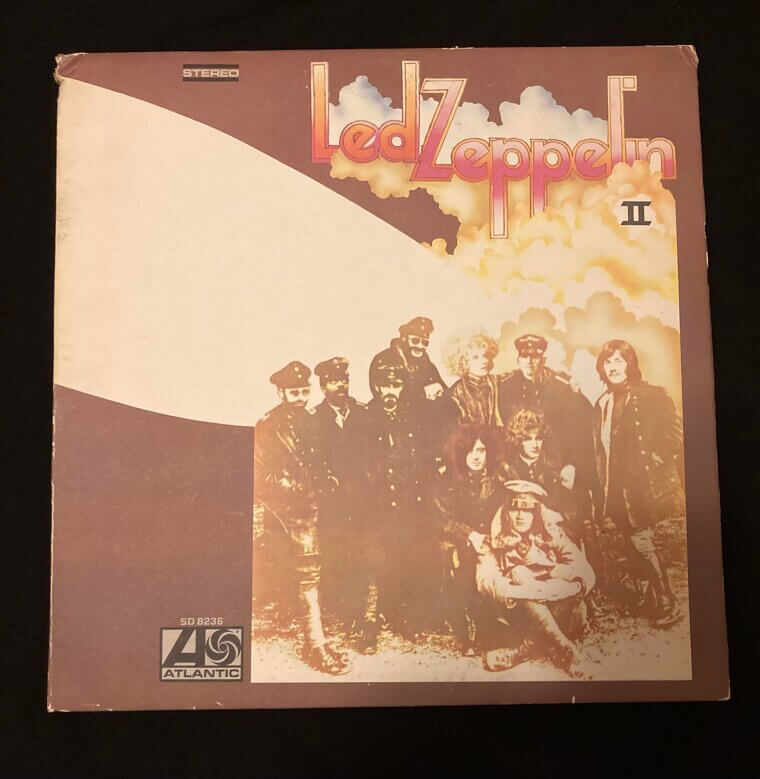
Thoroughly inspecting the hue of the text on your vintage copy could reveal a surprisingly valuable artifact from the late sixties. Condition is paramount, as worn edges or scratched vinyl will significantly reduce the final appraisal price.
Bleach, 1989, Nirvana: $2,500
Before changing the landscape of alternative rock music in the early nineties, this influential grunge band released their gritty debut full-length project on a small independent label based in the Pacific Northwest. To generate interest among local record buyers, the very first printing of the vinyl was limited to exactly 1,000 copies manufactured on striking white wax, and each one included an exclusive fold-out poster. These initial pressings quickly sold out at early underground shows and local independent shops, making them extremely difficult to locate in the modern collecting landscape. The historical significance of the group only amplifies the demand.
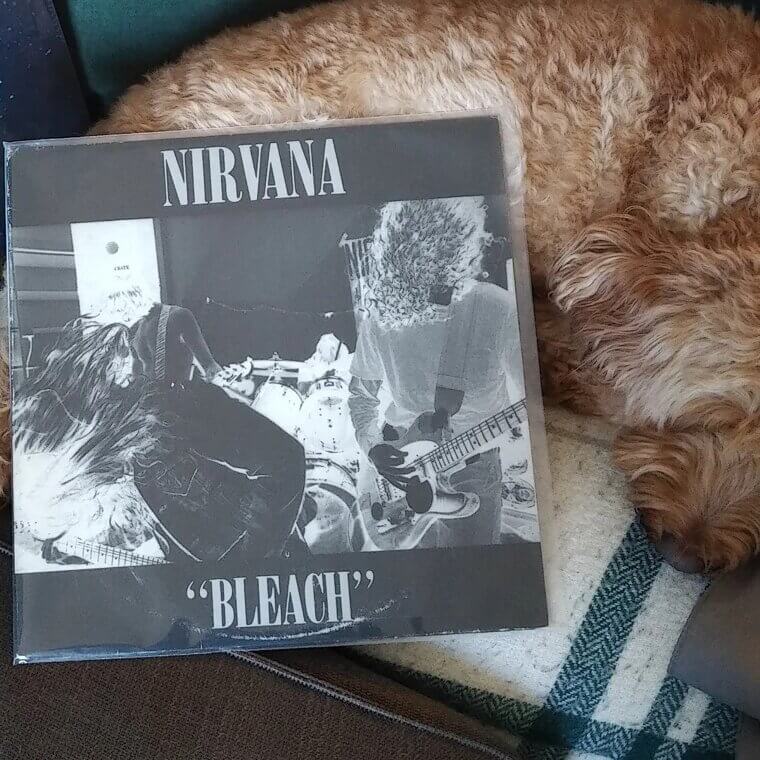
Uncovering one of these early colored variants buried in a collection of older punk records is a dream scenario for many modern enthusiasts. Preserving the delicate original inserts is vital for maintaining the highest possible market valuation.
Street Fighting Man, 1968, The Rolling Stones: $17,000
The original picture sleeve for this classic rock single featured a controversial photograph depicting police officers struggling with protestors during a riot. Following widespread civil unrest in major cities around the globe, the record company allegedly grew nervous about the provocative imagery and demanded the immediate destruction of the covers just days before they reached major retail outlets. It is estimated that fewer than twenty copies escaped the corporate purge, making this specific item one of the rarest commercially intended releases in the entire history of popular music. The surviving artifacts offer a unique glimpse into the turbulent political climate of the era.
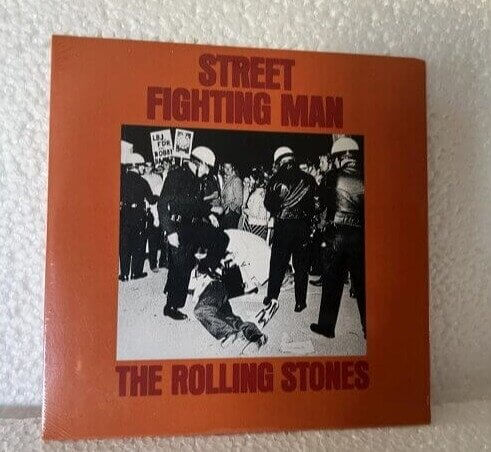
Finding this elusive sleeve tucked away inside a dusty box of seven-inch singles would be a monumental discovery. Authentic copies are aggressively authenticated by industry experts to prevent high-end counterfeits from flooding the marketplace.
God Save the Queen, 1977, Sex Pistols: $20,000
This notorious punk anthem was originally slated for distribution by A&M Records, but the label famously fired the controversial band and ordered the destruction of nearly all 25,000 pressed copies within a week of signing them. A handful of perceptive employees reportedly snuck a few surviving singles out of the pressing plant before the massive inventory was crushed and discarded. These rare survivors feature the specific A&M logo on the center label, distinguishing them from the widely available versions released by Virgin Records shortly afterward. It stands as a monumental piece of rebellion captured on physical media.
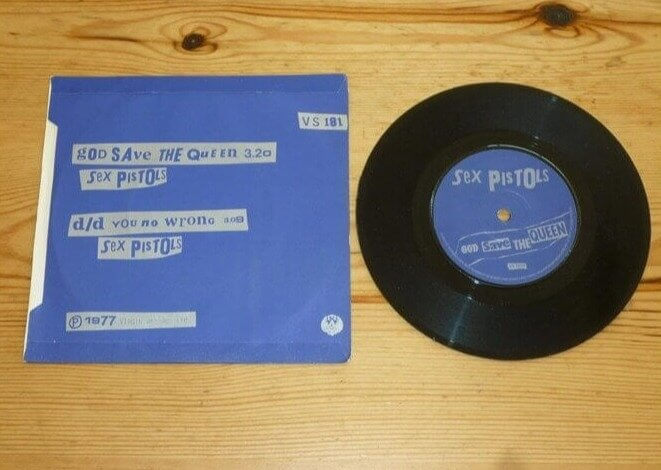
Collectors are willing to pay astronomical sums to acquire this legendary piece of music industry lore. It represents a fascinating moment where corporate panic directly created a modern financial treasure for vintage vinyl enthusiasts.
Bohemian Rhapsody, 1978, Queen: $5,000
To celebrate the band receiving a prestigious industry award in the late seventies, EMI Records commissioned a special limited edition pressing of their magnum opus on beautiful blue vinyl. These unique copies were never sold in retail stores; instead, they were exclusively gifted to company executives, members of the band, and select VIP guests who attended a lavish corporate dinner event. Each record was accompanied by special commemorative packaging, further elevating its status as a premium collectible meant only for inner-circle industry professionals. The striking visual aesthetic perfectly complements the grand theatricality of the song itself.
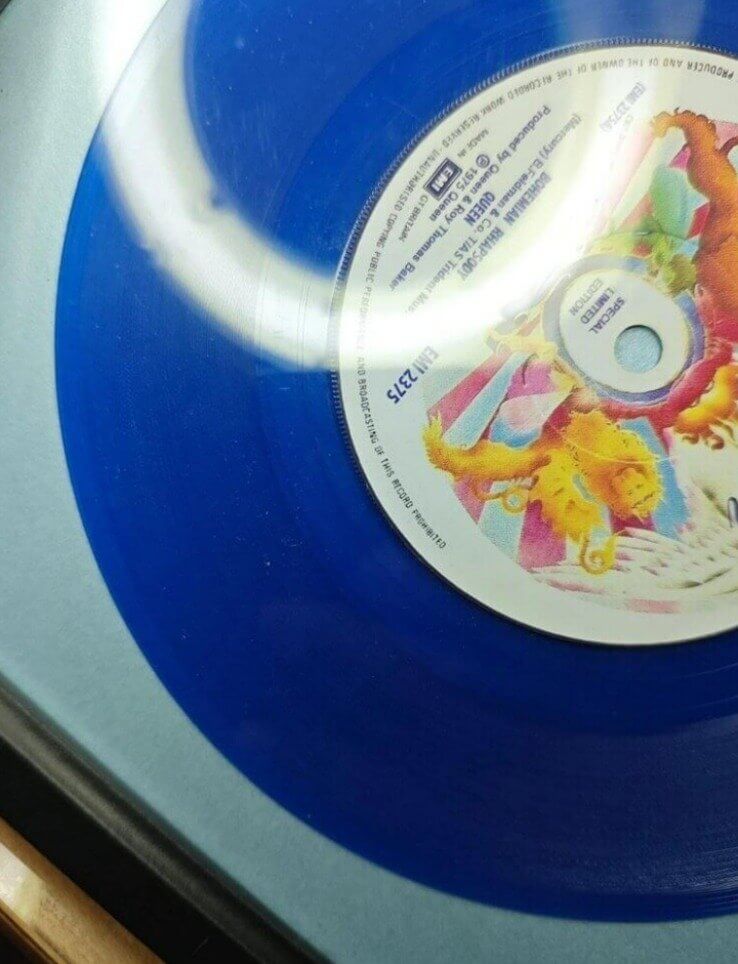
Locating a complete set with all the original event invitations and customized outer sleeves is exceptionally difficult. The vibrant color of the disc combined with the legendary status of the track ensures its enduring monetary worth.
Please Please Me, 1963, The Beatles: $10,000
When this beloved British invasion debut first arrived in stores, the record label utilized a distinct black and gold design for the center sticker on the vinyl itself. This specific aesthetic choice was rapidly phased out in favor of a bright yellow and black scheme that became synonymous with the band's subsequent releases throughout the decade. Because the original color pattern was only used for a matter of weeks, stereo copies featuring the black and gold labels are extraordinarily scarce and represent a premium target for serious collectors. It is a subtle detail that drastically alters the financial landscape of the item.
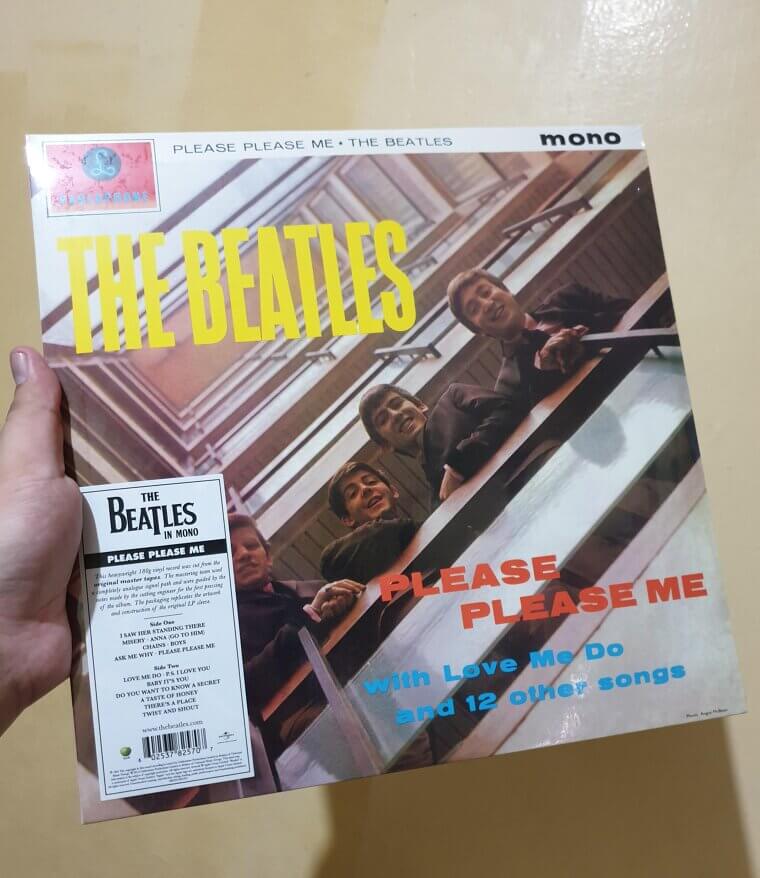
Identifying this particular variation requires a careful examination of the disc, rather than just glancing at the outer cardboard sleeve. Finding a well-preserved stereo edition is often considered a crowning achievement for dedicated music archivists.
Diamond Dogs, 1974, David Bowie: $3,500
The initial gatefold artwork for this conceptual glam rock masterpiece featured a sprawling painting of the artist depicted as a half-man, half-dog creature. Prior to the official retail launch, executives reportedly grew uncomfortable with the graphic anatomical details present on the canine portion of the creature and demanded the image be heavily airbrushed. A tiny fraction of the original, unedited covers managed to bypass the quality control team and enter the consumer market. These uncensored jackets are currently viewed as highly desirable rarities that showcase the creator's uncompromised artistic vision before corporate intervention took place.
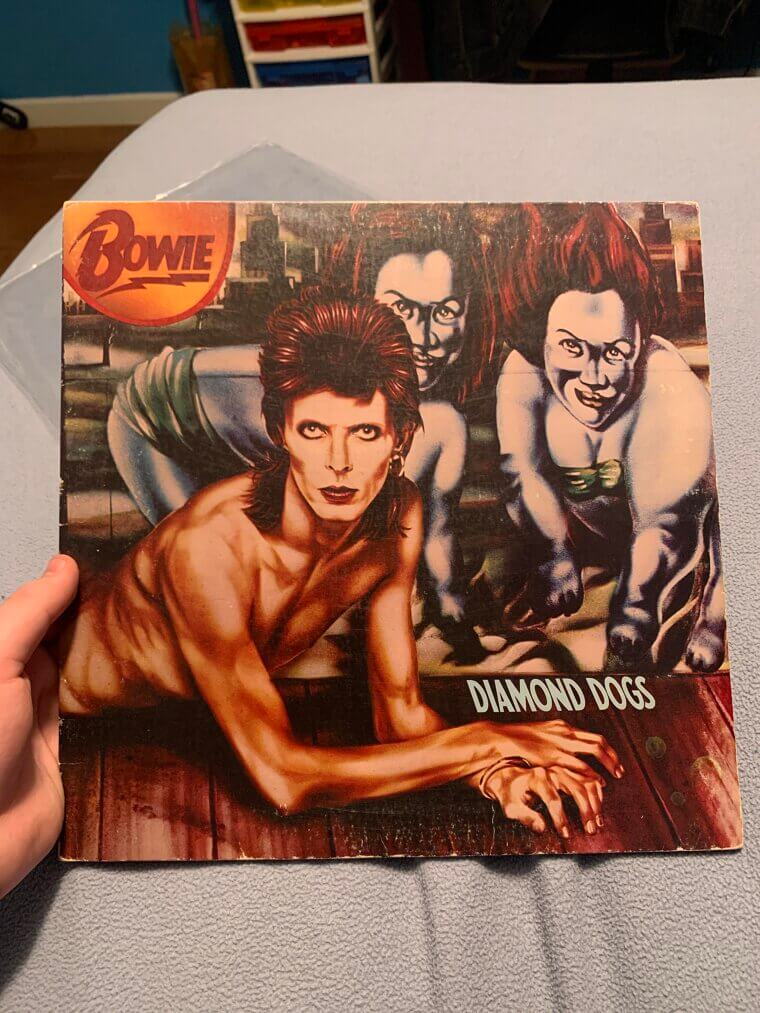
Stumbling upon the unaltered gatefold sleeve requires a keen eye and a bit of luck when digging through old collections. It serves as a fascinating example of how artistic censorship can inadvertently generate immense future value.
My Happiness, 1953, Elvis Presley: $300,000
This one-of-a-kind acetate recording represents the very first time the legendary King of Rock and Roll ever stepped into a professional studio to capture his voice on tape. He reportedly paid a small fee to record the track as a birthday gift for his mother, unwittingly laying the foundational groundwork for a cultural revolution that would sweep the globe. Because it was a personal vanity project, only a single physical copy was ever cut, making it arguably the most important artifact in the history of American popular music. It eventually surfaced decades later and was purchased by a prominent modern musician.
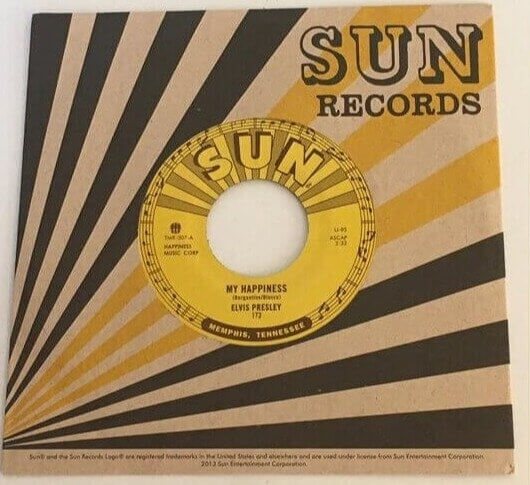
While you will not find this exact disc in an attic, similar personal acetates from lesser-known artists of the era can still hold surprising value. It highlights the incredible historical importance of early, undocumented studio sessions.
The Velvet Underground & Nico, 1966, The Velvet Underground & Nico: $25,000
Before officially signing a recording contract, this avant-garde ensemble pressed a small batch of demonstration acetates featuring early, raw mixes of the tracks that would later comprise their groundbreaking debut. These test discs were hand-delivered to various record executives and radio stations in an attempt to secure a proper distribution deal. The audio on these rare cuts differs significantly from the polished final release, offering a raw, unfiltered listening experience that fascinates historians and dedicated fans alike. One of these legendary acetates famously turned up at a neighborhood street sale for less than a dollar before being authenticated.
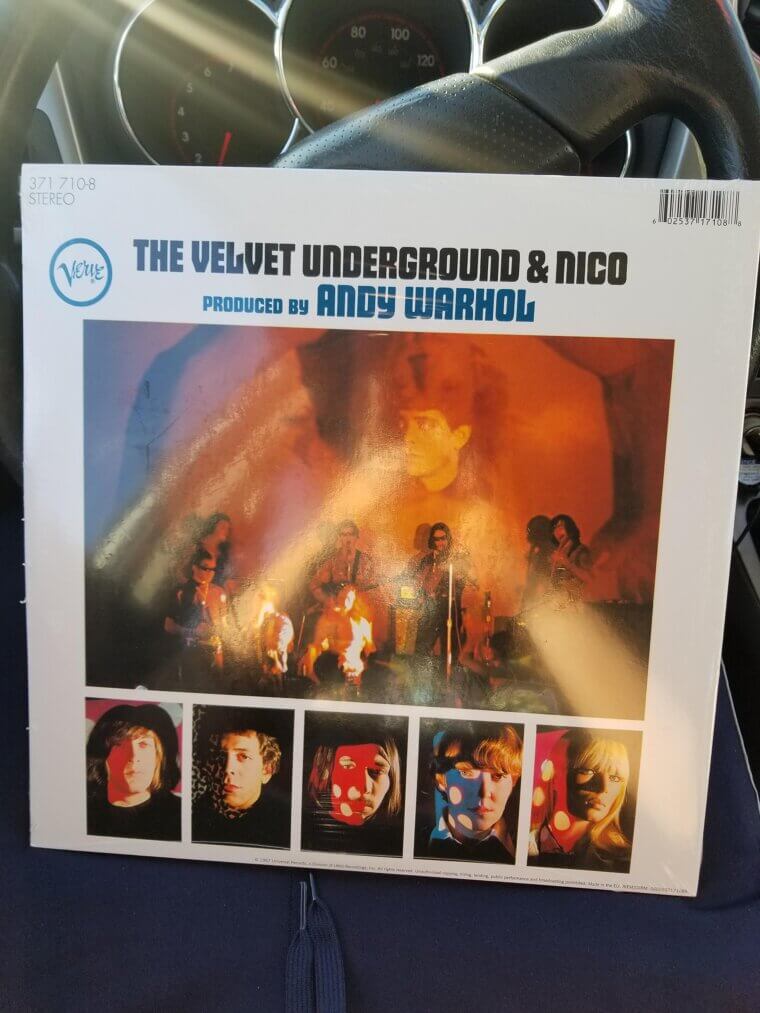
Discovering an unmarked acetate from the mid-sixties always warrants careful professional analysis to determine the artist and recording date. These fragile discs degrade quickly, meaning any surviving copies in playable condition are considered extraordinary finds.
The Soundhouse Tapes, 1979, Iron Maiden: $1,200
Acting as the inaugural release for the pioneers of the new wave of British heavy metal, this three-track extended play was independently financed and distributed by the band members themselves. They pressed exactly 5,000 copies to sell at local pub gigs and through mail-order advertisements in underground music magazines. Because the project was completely DIY, the packaging was relatively simple, making it easy for modern counterfeiters to produce convincing unauthorized replicas that frequently fool novice buyers. Authentic original pressings are revered as foundational documents of the genre, capturing a raw energy that propelled the group to international stardom.
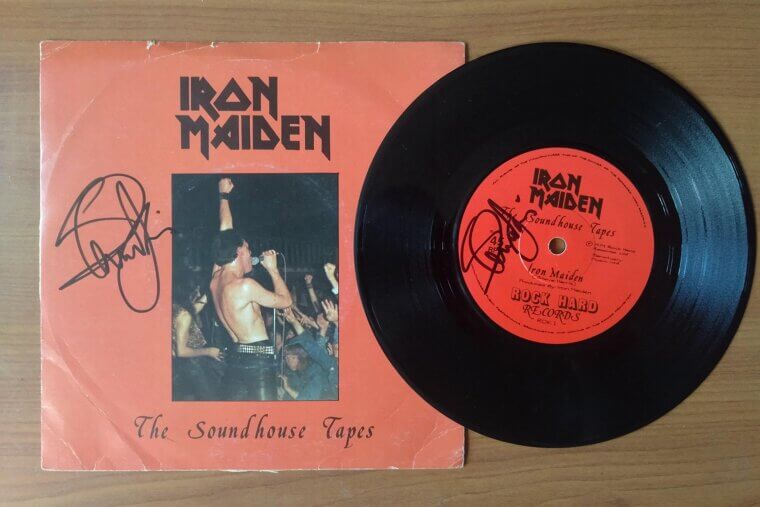
Verifying the authenticity of this particular release requires measuring the precise dimensions of the sleeve and inspecting the run-out groove etchings. Unearthing a legitimate copy is a thrilling prospect for any serious metal enthusiast.
Spirit in the Night, 1973, Bruce Springsteen: $5,000
To help promote the debut album of the future rock icon, the record label issued a special promotional seven-inch single distributed exclusively to regional radio station programmers. The standard commercial release of the single performed poorly, meaning very few copies of any variation were manufactured or saved by the general public. The promotional version is distinguished by its unique white center labels and lack of standard barcode identifiers. Because the artist later achieved monumental global success, these early, ignored promotional items have skyrocketed in desirability among his massive, dedicated fanbase who seek to complete their exhaustive collections.
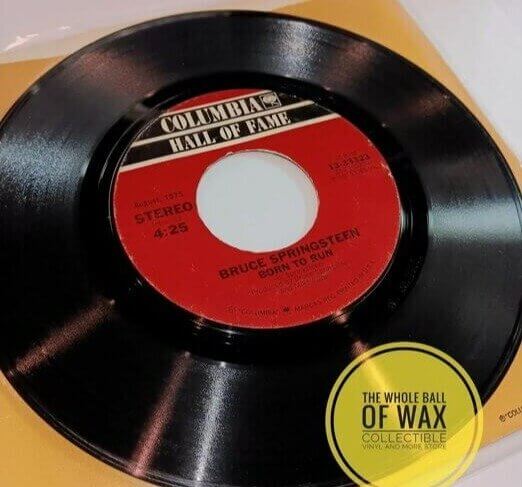
Radio station promos from the early seventies are frequently found bundled together in cardboard storage boxes. Identifying this specific track among piles of forgotten singles could result in a highly profitable appraisal.
Pride (In the Name of Love), 1984, U2: $9,000
During the promotional cycle for this soaring rock anthem, an incredibly limited run of twelve-inch singles was pressed onto translucent, uncolored vinyl specifically for the Australian market. Reportedly, only about fifty copies were ever produced before the manufacturing plant inexplicably halted the run and switched to standard black materials. This bizarre geographic anomaly has fascinated international collectors for decades, driving prices higher whenever one miraculously surfaces on the open market. The stark visual contrast of the clear disc paired with the classic cover art creates a striking display piece for high-end audio archives.
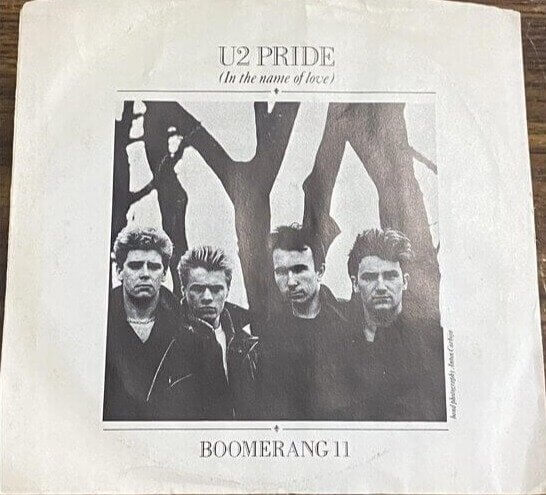
Regional oddities like this demonstrate why meticulous research is essential when evaluating a vintage collection. You never know when a seemingly standard international pressing hides a rare, limited-run secret.
12 of the Best, 1978, AC/DC: $3,000
This proposed compilation album was officially announced and manufactured by the band's record label in Australia, but the entire project was abruptly scrapped just weeks before it was scheduled to hit store shelves. The record company decided to prioritize a different live album instead, ordering the immediate destruction of the already printed sleeves and vinyl discs. A small handful of promotional copies had already been mailed out to journalists and industry insiders, creating an instant rarity that fans have obsessed over for generations. The tracklist offers a unique snapshot of the group's early creative output before their massive international breakthrough.
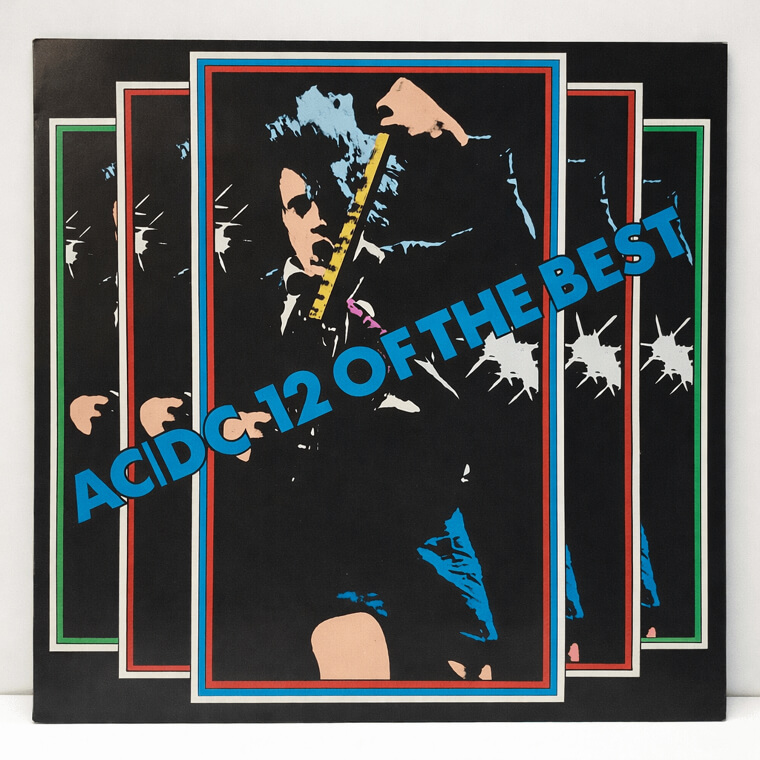
Unreleased compilation albums frequently create massive waves in the collecting community due to their inherent scarcity. Locating one of the surviving promo copies is a legendary achievement in the world of hard rock memorabilia.
My Generation, 1965, The Who: $1,500
The very first pressing of this explosive mod-rock debut on the Brunswick label is highly coveted for its heavy, high-quality vinyl and aggressive monaural audio mix. Audiophiles widely agree that the original mono presentation perfectly captures the chaotic, distorted energy of the band's live performances far better than the subsequent stereo reissues. Finding a copy that has not been heavily played or scratched by teenage fans in the mid-sixties is a daunting task, as these records were meant to be enjoyed loudly at parties rather than preserved behind glass. The iconic cover photograph featuring the band standing amongst industrial barrels remains instantly recognizable.
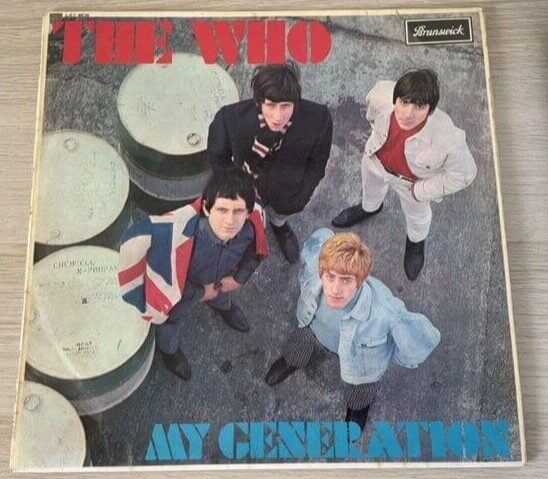
Pristine copies of this influential release command premium prices at dedicated music auctions. It remains a cornerstone artifact for anyone studying the evolution of aggressive British rock music during the 1960s.
Are You Experienced, 1967, The Jimi Hendrix Experience: $2,000
The original UK Track Records pressing of this groundbreaking psychedelic masterpiece features a completely different cover design and tracklist compared to the widely recognized North American version. Collectors specifically hunt for the early monaural mixes, which highlight the legendary guitarist's innovative studio techniques and blistering solos in a dense, powerful sonic format. The fragile nature of the laminated cardboard sleeves means that finding one without severe creasing or edge wear is remarkably difficult today. It serves as a stunning introduction to an artist who fundamentally redefined the possibilities of the electric guitar in a remarkably short period.
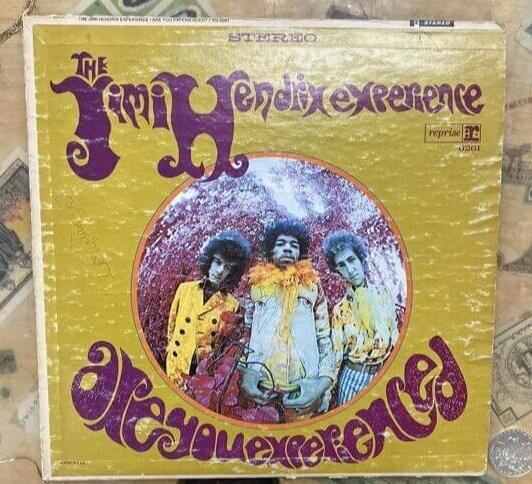
If you uncover a vintage copy with the alternative UK artwork, you should handle it with extreme care. The condition of the glossy front cover drastically dictates the final monetary valuation.
The Piper at the Gates of Dawn, 1967, Pink Floyd: $1,500
This whimsical debut album represents the only full-length project guided entirely by the band's original visionary frontman before his tragic departure from the group. The earliest UK pressings on the Columbia label are legendary for their intricate monaural soundscape, which emphasizes different instrumentation and vocal effects than the more common stereo versions. Dedicated fans consider the mono mix to be the definitive representation of the group's early psychedelic experimentation. The delicate rear sleeve, featuring a brief written essay and early photographs, is particularly prone to ring wear and discoloration after decades of improper storage.
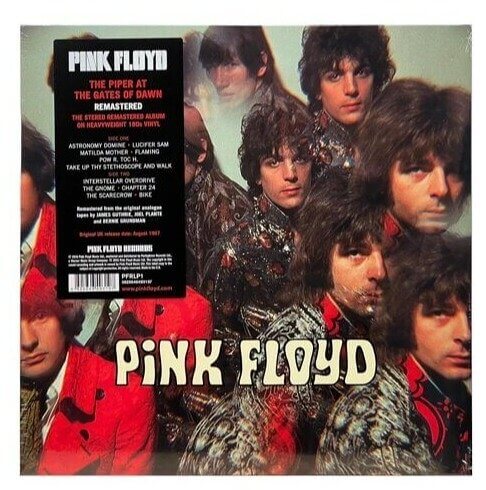
Securing a remarkably clean first edition is a major milestone for any serious progressive rock collector. It captures a fleeting, magical moment in the history of British underground music.
Rumours, 1977, Fleetwood Mac: $1,000
While this pop-rock juggernaut is one of the best-selling albums of all time, early test pressings cut at 45 revolutions per minute were created exclusively for audio engineers to evaluate the mastering quality. These special studio discs were never intended for public consumption and were usually discarded after the final production parameters were approved by the producers. Audiophiles prize these rare cuts because the faster playback speed allows for superior dynamic range and higher fidelity sound reproduction compared to the standard retail copies. They offer an unparalleled listening experience for those seeking the ultimate sonic clarity.
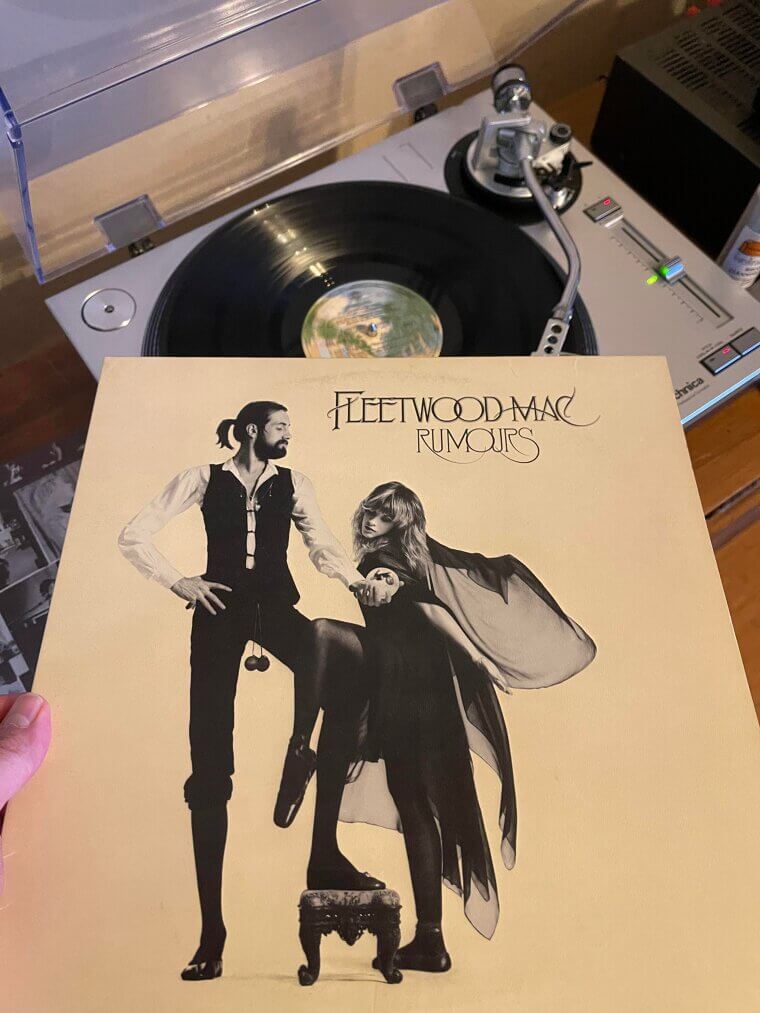
Test pressings are usually packaged in generic white cardboard sleeves with handwritten notes from the studio staff. Identifying them requires a thorough understanding of matrix numbers and audio mastering history.
Their Satanic Majesties Request, 1967, The Rolling Stones: $2,000
The initial manufacturing run for this divisive psychedelic experiment featured a groundbreaking lenticular image securely glued to the front of the gatefold jacket, creating a mesmerizing 3D effect when tilted in the light. Because the production process was incredibly expensive and time-consuming, the record label quickly abandoned the extravagant artwork in favor of a standard printed photograph for all later reissues. The glued-on plastic panels are notorious for warping, cracking, or simply falling off entirely due to age and temperature fluctuations. Finding a pristine, fully functional 3D cover is a massive challenge for dedicated vintage media hunters.
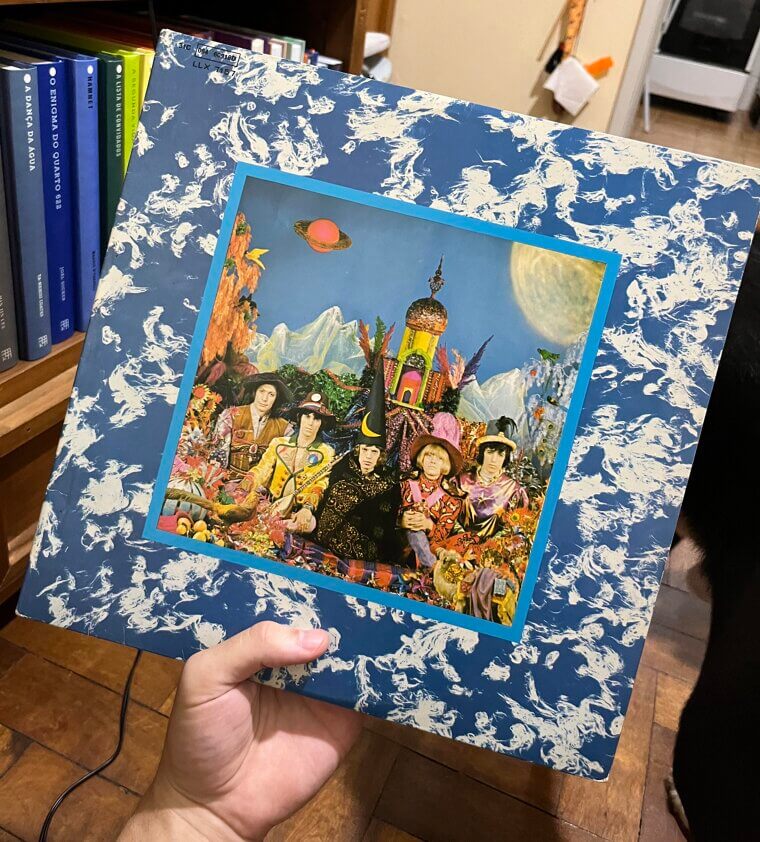
The novelty of the packaging significantly elevates the desirability of this specific pressing. It remains a fascinating relic of the brief era when bands aggressively competed to create the most elaborate album art.
Black Sabbath, 1970, Black Sabbath: $1,500
The very first UK pressings of this heavy metal cornerstone were released on the iconic Vertigo label, featuring their mesmerizing swirl logo covering the entire a-side label. In addition to the distinctive center sticker, the earliest copies incorrectly credited the band's publishing company in the fine print on the inner gatefold, an error that was swiftly corrected in subsequent batches. The combination of the large swirl design and the specific textual misprint signifies a true first edition, which is heavily sought after by fans of the dark, doom-laden genre. The ominous cover photograph perfectly complements the revolutionary, heavy music contained within the grooves.
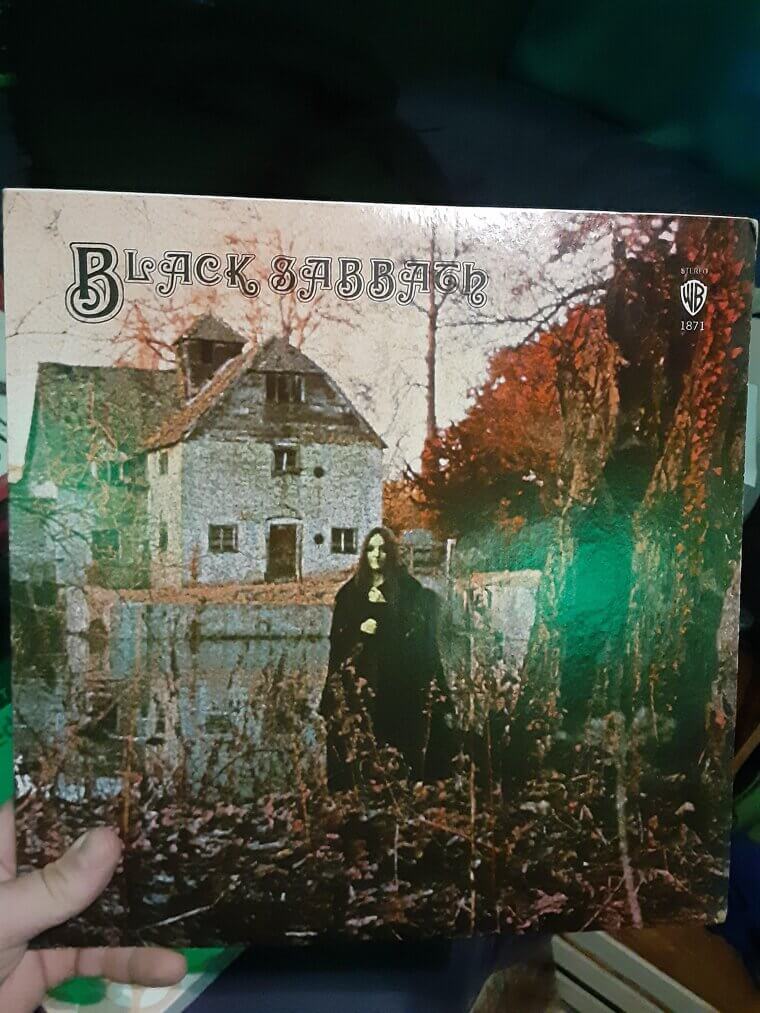
Inspecting the specific typography on the center label is crucial when identifying this valuable variation. The market for early heavy metal artifacts has surged dramatically in recent years, pushing prices to new heights.
The Kinks Are the Village Green Preservation Society, 1968, The Kinks: $2,500
Shortly before its scheduled release, the band's primary songwriter abruptly halted production to rework the tracklist, adding three new songs and altering the overall sequence. However, a small batch of records featuring the original twelve-track lineup had already been manufactured and accidentally shipped to a handful of retail stores in Europe. These incredibly rare twelve-track mispressings offer a fascinating alternative glimpse into the creation of this quintessential British pop masterpiece. The album was largely ignored upon its initial release, making early copies of any variation relatively scarce in today's active vintage marketplace.
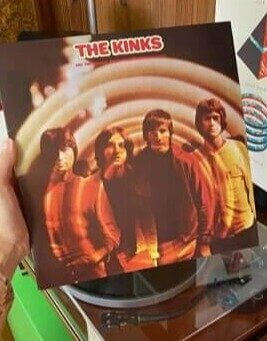
Carefully counting the physical track bands visible on the vinyl surface is the easiest way to identify the withdrawn version. It stands as a prime example of an artist changing their mind at the last possible second.
Disraeli Gears, 1967, Cream: $1,200
This vibrant psychedelic blues-rock triumph is famous for its Day-Glo artwork and blistering guitar solos, but audiophiles specifically hunt for the original UK Reaction Records monaural pressings. The mono mix is widely praised for its punchy, cohesive sound that pushes the heavy rhythm section to the forefront, contrasting sharply with the often disjointed early stereo panning techniques of the era. The front cover is fully laminated, a delicate manufacturing choice that easily shows scratches and creases after decades of handling. Finding a brilliant, glossy copy that plays without significant background noise requires immense patience and deep pockets.
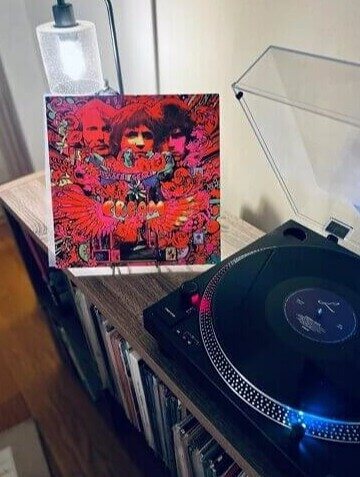
Dedicated listeners often argue fiercely about the superiority of the mono presentation for this specific release. It represents a thrilling bridge between traditional electric blues and the burgeoning hard rock movement.
Roger the Engineer, 1966, The Yardbirds: $1,000
As the only studio album featuring all original material by this influential British blues-rock outfit, early pressings hold immense historical significance for fans of the genre. The original UK Columbia editions, particularly those presented in the monaural format, are highly prized for capturing the blistering, innovative guitar work that would subsequently influence countless heavy metal musicians. The quirky, hand-drawn cover art adds to the distinctive charm of the release, but the un-laminated cardboard is incredibly susceptible to staining and severe edge wear. It is a vital transitional record that documents the rapid evolution of rock music in the mid-sixties.
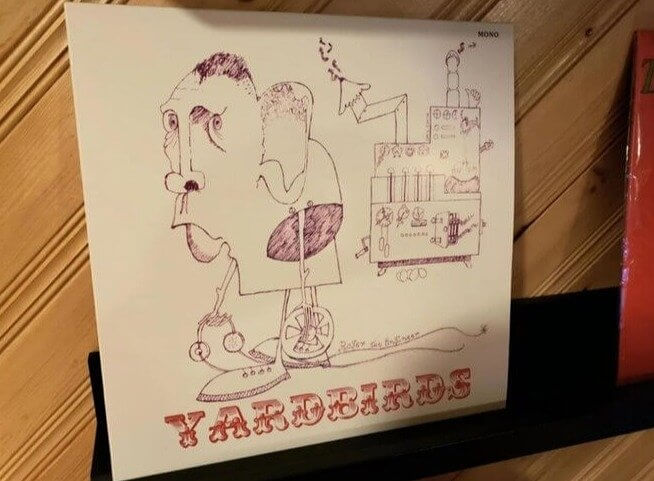
Securing a clean copy of this influential record provides a direct sonic link to the origins of modern hard rock. The blistering musicianship contained within the grooves remains genuinely breathtaking decades later.
The Doors, 1967, The Doors: $1,000
The inaugural release from this legendary Los Angeles rock group contains some of their most iconic and enduring hits, making it a staple in millions of record collections worldwide. However, serious archivists specifically target the very first mono pressings released on the gold Elektra Records label, as they offer a uniquely powerful and concentrated sonic experience. The dedicated mono mix brings the mesmerizing keyboard work and haunting vocals into a tighter, more aggressive focus that many argue suits the dark lyrical themes perfectly. The sheer popularity of the album means most surviving early copies are completely worn out from repeated listening.
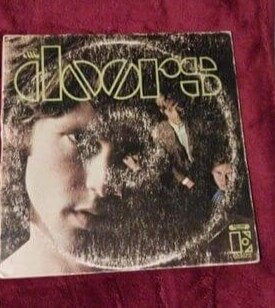
Finding a well-preserved mono edition allows listeners to experience the dark, theatrical energy of the band exactly as they originally intended. It is a cornerstone piece for any comprehensive collection of American psychedelic music.
A Night at the Opera, 1975, Queen: $1,500
Before this grandiose theatrical rock masterpiece was mass-produced for the global market, the record company manufactured a tiny number of white-label test pressings to ensure the complex audio engineering translated properly to physical media. Because the album features incredibly dense vocal harmonies and intricate studio trickery, the mastering process was notoriously difficult, making these early evaluation discs historically fascinating. These plain-sleeved records were distributed solely to the producers and the band members themselves for final approval. They represent the absolute earliest physical manifestation of an album that would permanently alter the landscape of popular music.
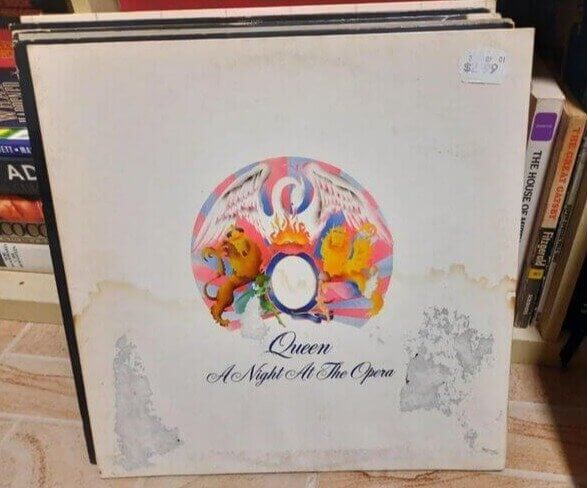
Collectors revere test pressings because they are the closest a fan can get to the actual recording studio environment. Their immense rarity guarantees a high appraisal value at specialized music auctions.
An Ideal for Living, 1978, Joy Division: $2,000
Serving as the very first physical release for the highly influential post-punk pioneers, this independent seven-inch extended play was personally funded by the band members and strictly limited to 1,000 copies. The group famously folded the oversized paper sleeves themselves in a rushed DIY fashion, leading to frequent tears and creases even when the items were brand new. The controversial cover artwork, featuring a drawing of a Hitler Youth member beating a drum, caused immediate backlash and added to the infamous lore surrounding the debut. It is an essential, raw document of a band that would tragically end far too soon.
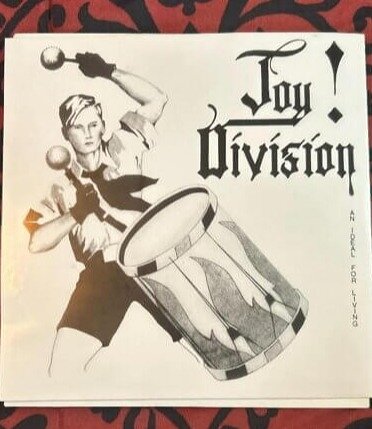
Due to the fragile nature of the oversized packaging, locating a completely undamaged copy is exceptionally rare. It perfectly encapsulates the bleak, powerful aesthetic of the late-seventies independent music scene.
The Def Leppard E.P., 1979, Def Leppard: $1,000
Before achieving massive international stadium success in the 1980s, this British rock quintet self-released their debut three-track extended play on their own independent label, Bludgeon Riffola. The initial pressing was restricted to just 1,000 copies, and the band famously glued the sleeves together themselves, resulting in numerous crooked seams and messy edges. They manually delivered the records to local shops and radio stations in a desperate bid for exposure, slowly building a loyal grassroots following. The raw, unpolished sound of this early recording stands in stark contrast to the slick, heavily produced anthems that would later define their multi-platinum career.
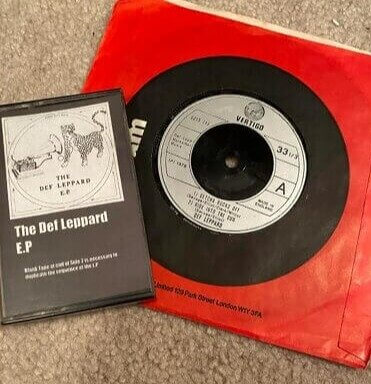
The DIY nature of the packaging provides a tangible connection to the humble origins of a future global phenomenon. Authentic first pressings feature a distinct red label that is frequently targeted by counterfeiters.
Hand in Glove, 1983, The Smiths: $1,500
The debut single from this iconic Manchester alternative rock group was issued by the independent label Rough Trade, featuring provocative cover art that immediately established their unique aesthetic. The absolute earliest pressings of this seven-inch record feature a solid center, whereas the vast majority of subsequent copies were manufactured with a standard push-out center hole. Furthermore, the run-out groove of the genuine first edition contains a specific etched message that was removed from all later batches. These subtle manufacturing differences are fiercely documented by the band's obsessive fanbase, driving the price of the solid-center variants into the thousands.
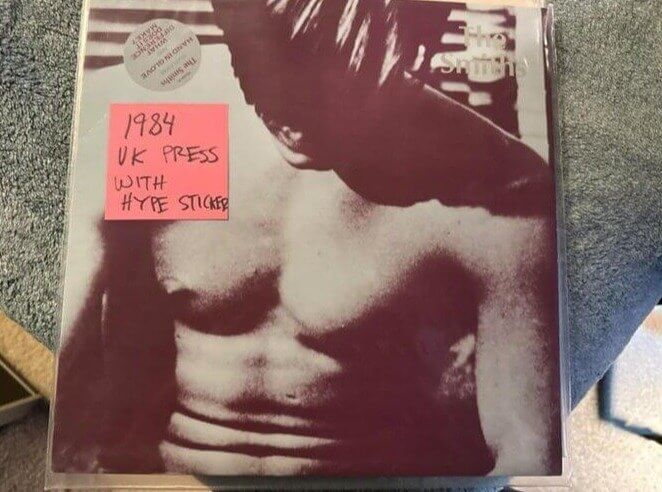
Meticulously checking the center spindle hole and the etched matrix codes is mandatory when evaluating this elusive debut. It is a stunning artifact from a band that redefined independent pop music.
The Clash, 1977, The Clash: $1,000
To generate hype for this monumental punk rock debut, CBS Records distributed a small quantity of promotional copies featuring a distinctive, custom-stamped outer sleeve to radio DJs and music journalists. These promo-stamped versions often include an exclusive press kit containing glossy photographs, biographical essays, and early sticker sheets that were never made available to the general public. Because the raw, politically charged music was initially deemed uncommercial by some executives, many of these promotional packages were simply thrown in the trash by confused radio programmers. Surviving complete sets are incredibly scarce and offer a fascinating glimpse into early music marketing strategies.
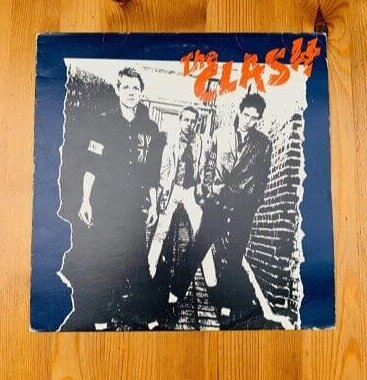
Finding the vinyl itself is difficult, but locating the complete promotional folder with all the original paperwork is a monumental task. It vividly captures the chaotic energy surrounding the birth of the punk movement.
200 Motels, 1971, Frank Zappa: $1,500
This surreal avant-garde soundtrack album was famously accompanied by a bizarre, limited-edition promotional package sent strictly to high-profile industry insiders and select journalists. The elaborate promotional kit reportedly included a giant, fold-out movie poster, bizarre novelty items related to the film's chaotic plot, and a beautifully pressed white-label version of the double LP. Because the artist's work was highly polarizing, many of these extensive kits were dismantled or discarded shortly after they arrived in the mail. The sheer amount of fragile paperwork included in the original package ensures that finding a complete, mint-condition set today is practically impossible.
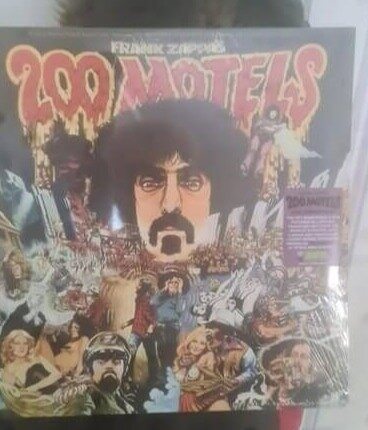
Assembling all the bizarre promotional inserts is a lifelong quest for dedicated fans of the eccentric composer. The expansive package perfectly reflects the ambitious, uncompromised vision of the sprawling cinematic project.
Rush, 1974, Rush: $1,500
Prior to signing a major international record deal, this legendary progressive rock trio independently financed and released their heavy, blues-influenced debut album on their own proprietary Moon Records label. They pressed roughly 3,500 copies of this initial run, which features a slightly different audio mix and notably darker cover art compared to the ubiquitous Mercury Records reissue that followed shortly after. The band's massive, fiercely loyal global fanbase considers this original independent pressing to be the ultimate holy grail of their extensive discography. It captures the raw, energetic origins of a group that would eventually become technical masters of their craft.
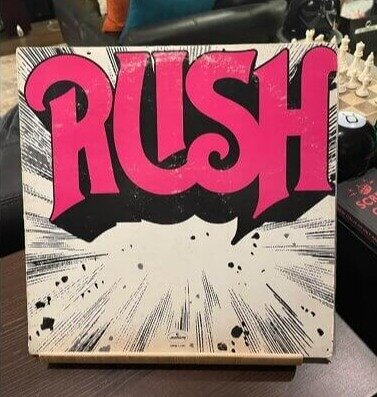
Identifying the subtle color differences on the Moon Records logo is the key to verifying this valuable debut. It represents the humble beginnings of a wildly successful, decades-long musical journey.
The Silent Sun, 1968, Genesis: $1,000
The very first single released by this legendary progressive rock institution is a fascinating anomaly, as it was intentionally written to mimic the popular pop stylings of the Bee Gees in a desperate attempt to secure a hit. The track failed to chart, and the record label quickly gave up on the promotion, meaning very few copies were ever sold to the public. Original UK pressings on the Decca label are notoriously difficult to track down, as most were simply discarded by unenthusiastic radio stations. It is a wildly uncharacteristic debut from a band that would soon become famous for sprawling, complex musical epics.
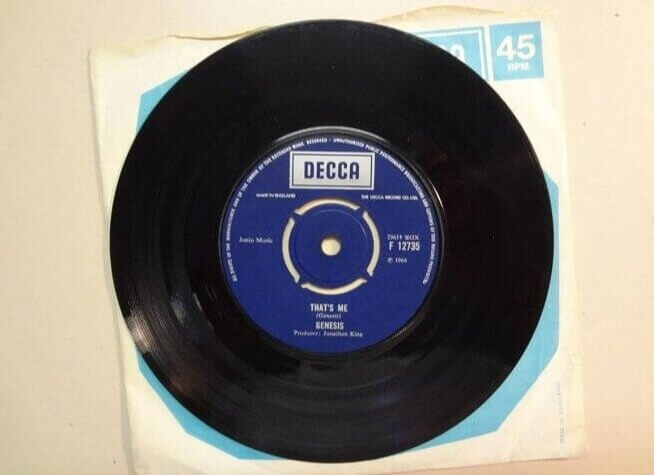
The historical irony of this straightforward pop song acting as the genesis for a complex progressive rock giant makes it highly desirable. Finding a clean copy with an intact center label is a notable achievement.
Arnold Layne, 1967, Pink Floyd: $2,000
This quirky, psychedelic debut single regarding a notorious local thief introduced the world to the eccentric songwriting genius of the band's original leader. While standard commercial copies are highly sought after, the absolute rarest variation is the original EMI promotional disc, easily identifiable by its large green and white demonstrational labels. These specific records were strictly manufactured for radio airplay and were explicitly stamped with a warning that they were not meant for public resale. Because the song was briefly banned by a prominent national broadcaster, many early promo copies were intentionally destroyed by nervous radio station managers.
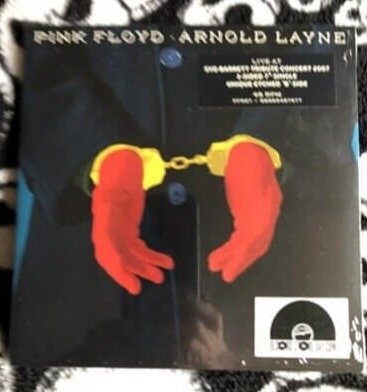
Securing a surviving demonstration copy provides a direct link to the very beginning of the psychedelic underground movement in London. It is a fragile piece of musical history that commands intense respect from serious historians.