
Are you ready to groove? We've rounded up the greatest bass players who ever laid down a rhythm. From rock legends to funk masters, these brilliant musicians created the soundtracks of our lives. Click through to see if your favorites made the list!
Mike Dirnt (Green Day) - The Melodic Anchor of Modern Punk
Mike Dirnt has spent decades providing the foundational rumble for Green Day, helping define the modern punk rock sound. His driving, energetic style is famously highlighted in tracks where his walking bass lines became a generation's anthem. Dirnt brings a unique blend of aggressive picking and surprising melodic sensibility to the trio, allowing the massive choruses to soar while staying firmly grounded. He grew up heavily influenced by classic rock, seamlessly blending the two genres into something entirely his own.
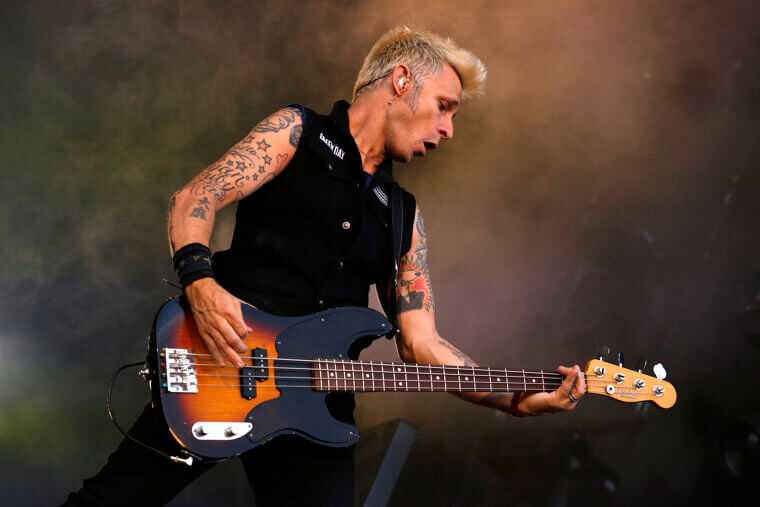
Over the years, his stage presence and reliable musicianship have made him a staple in the rock community. Beyond just playing fast, he understands how to serve the song perfectly. His contributions have reportedly influenced countless young musicians to pick up the instrument.
Robert Trujillo (Metallica, Suicidal Tendencies) - A Versatile Heavy Metal Groove Machine
Robert Trujillo brought a fierce, finger-plucking intensity to the world of heavy metal, redefining what the instrument could do in a thrash setting. Before joining his most famous group, he honed his formidable skills blending funk and hardcore, creating a rhythmic signature that is instantly recognizable to fans. His crab-walking stage antics are matched only by his incredible technical proficiency and stamina during marathon live performances. Trujillo seamlessly locks in with rapid-fire double-kick drums, providing a thick, muscular undercurrent.
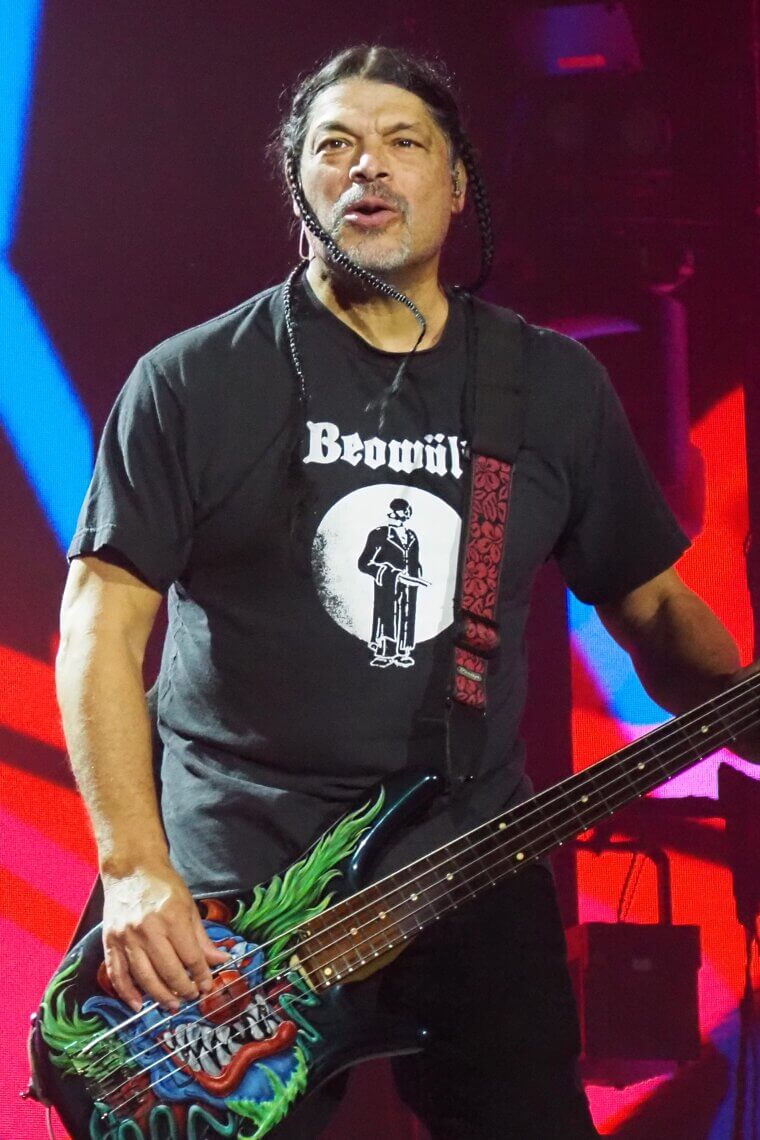
Fans often marvel at his ability to adapt his unique style to fit decades of established material while still leaving his own distinct mark on the newer compositions. He reportedly spends hours refining his tone to ensure it cuts through the dense wall of distorted guitars.
Krist Novoselic (Nirvana) - The Towering Foundation of Grunge
Krist Novoselic provided the essential low-end weight that allowed Nirvana to change the musical landscape of the early nineties. His playing favored strong, memorable root notes and catchy counter-melodies that perfectly supported Kurt Cobain's frantic guitar work. Novoselic possessed an intuitive understanding of dynamics, knowing exactly when to pull back during quiet verses and when to unleash maximum distortion for explosive choruses. This quiet-loud formula became the definitive sound of an entire era of alternative rock and influenced many.
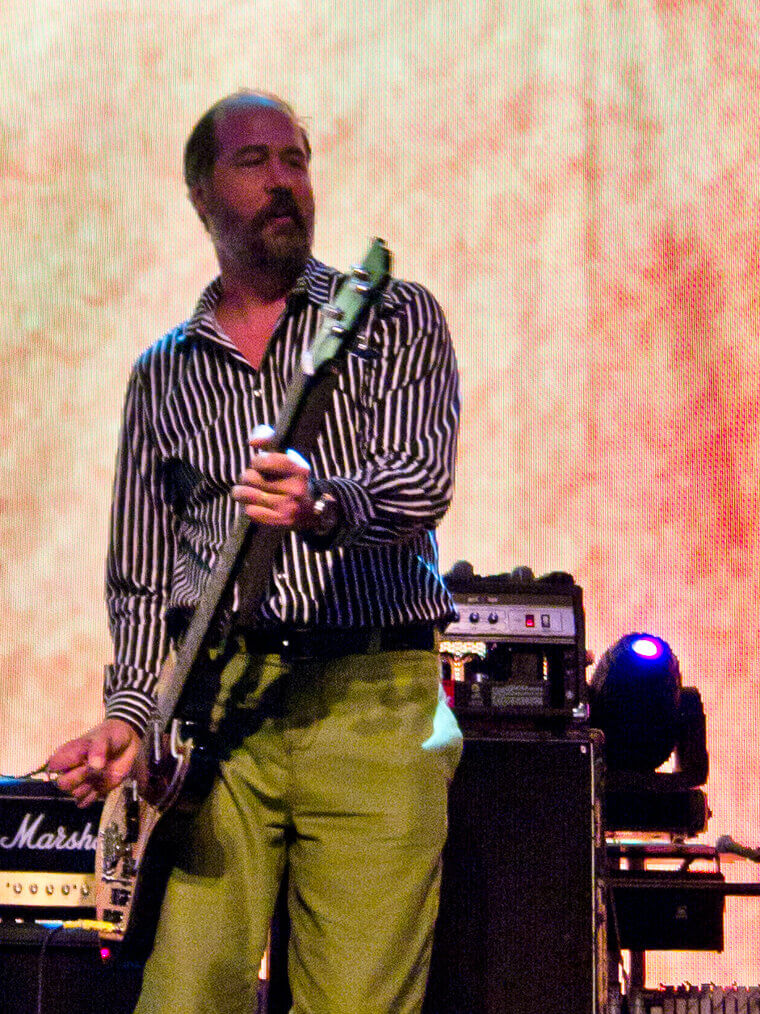
His towering physical presence on stage was matched by the massive tone he coaxed from his instrument, often tuning down to achieve an even sludgier rumble. He reportedly favored simple, effective lines over flashy solos, proving that serving the song always comes first.
Bill Wyman (The Rolling Stones) - The Stoic Rhythm Master of British Rock
Bill Wyman served as the unflappable anchor for The Rolling Stones during their most legendary and creative decades. While his bandmates famously commanded the spotlight with flamboyant antics, Wyman remained perfectly still, focusing entirely on laying down an impenetrable groove. His playing was heavily rooted in classic rhythm and blues, bringing an authentic swing to the band's rock and roll sound. He often utilized a short-scale bass, which allowed him to execute swift, walking lines with remarkable ease and precision.
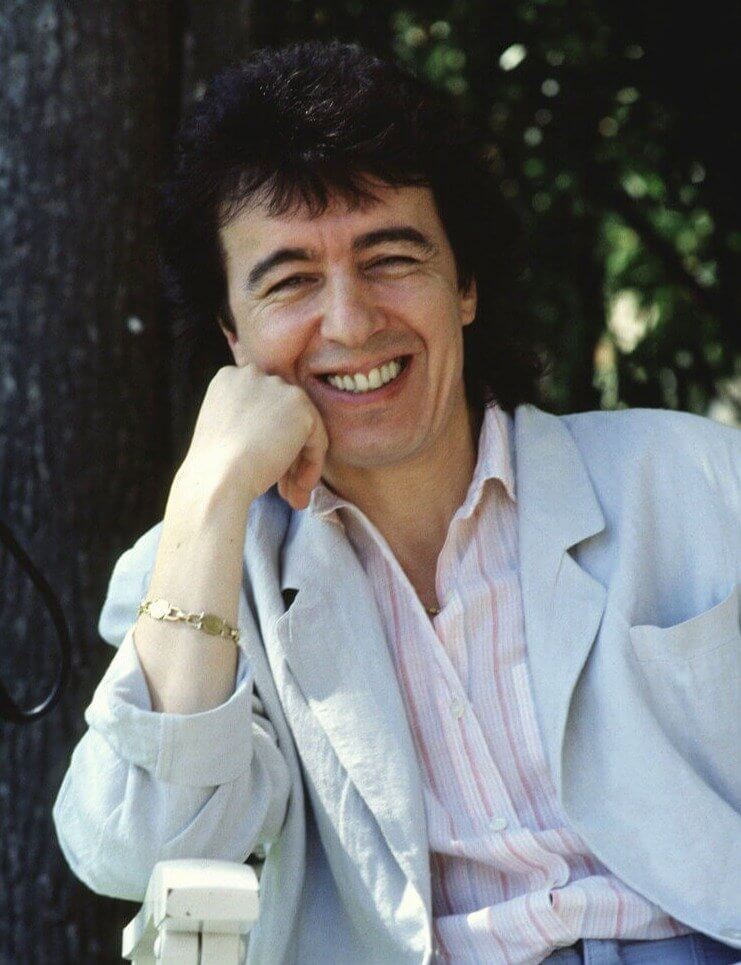
His ability to lock in with the drums created a uniquely loose yet driving feel that defined the band's golden era. He reportedly preferred a warm, vintage tone that filled out the bottom end without clashing with the chaotic twin-guitar attack of his bandmates.
John McVie (Fleetwood Mac) - The Blues-Rock Cornerstone With an Impeccable Feel
John McVie has been the steady heartbeat of Fleetwood Mac through their numerous stylistic shifts and legendary internal dramas. Originally making his mark in the British blues explosion, his playing is characterized by a deep, resonant tone and an unshakeable sense of timing. He provided the vital rhythmic glue that held together the band's sprawling, multi-layered pop masterpieces during their commercial peak. McVie possesses a rare talent for crafting bass lines that are incredibly melodic yet never distract from the lead vocals.
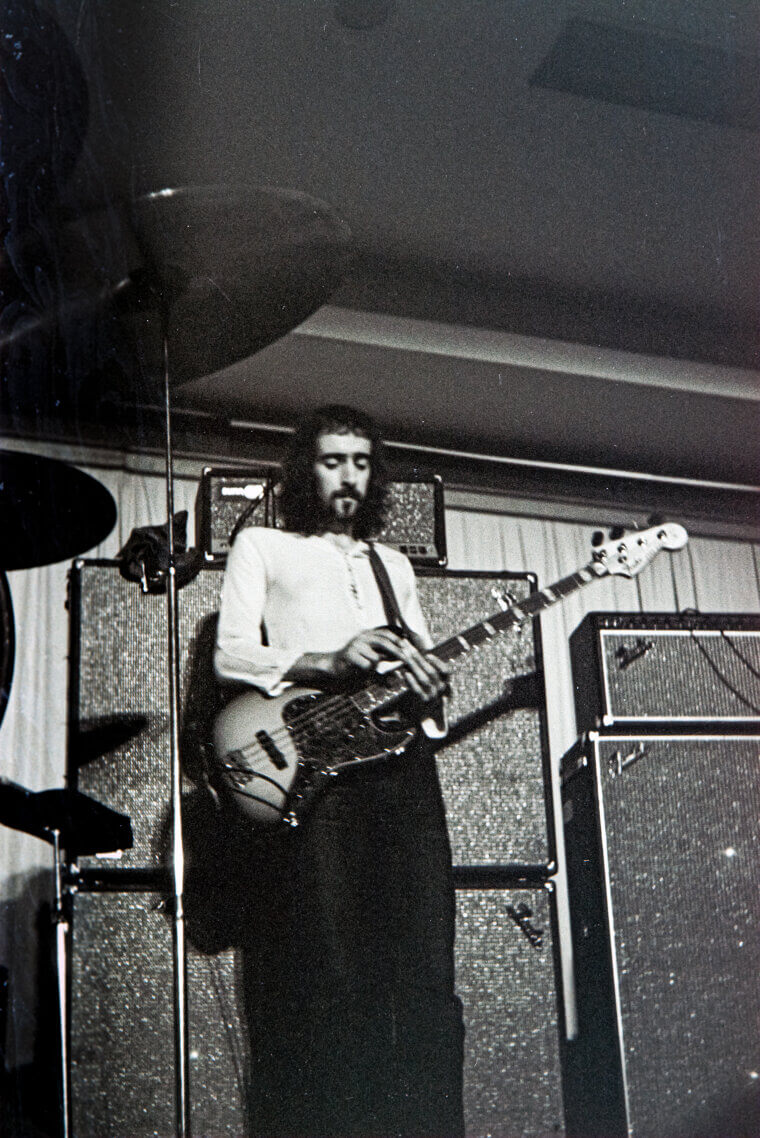
His enduring partnership with the drummer formed one of the most celebrated rhythm sections in popular music history. He reportedly approaches his instrument with a workmanlike dedication, consistently delivering flawless performances that prioritize the emotional core of the song above all else.
John Deacon (Queen) - The Quiet Architect of Stadium Rock Anthems
John Deacon brought a profound pop sensibility and rhythmic sophistication to Queen's bombastic theatrical rock. He was responsible for penning and driving some of the band's most massive worldwide hits, proving his immense value as both a songwriter and a musician. His playing seamlessly incorporated elements of funk, disco, and hard rock, showcasing an incredible versatility that helped the band conquer multiple genres. Deacon favored a punchy, articulate tone that cut through the densely layered vocal harmonies and soaring guitar solos.
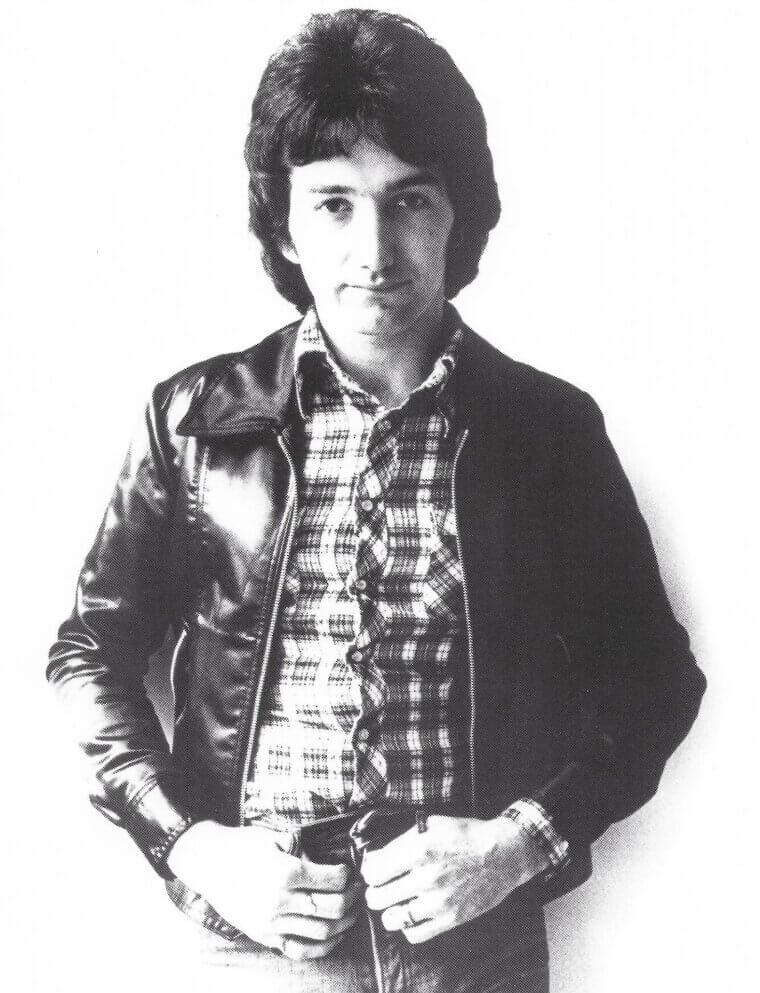
Despite being the quietest member of the group, his inventive bass lines often served as the defining hook of the track. He reportedly retired from the music industry entirely following the loss of his bandmate, leaving behind an untouchable legacy of timeless classics.
Aston "Family Man" Barrett (Bob Marley & The Wailers) — Deceased - The Pioneering Architect of Reggae Bass
Aston Barrett was absolutely fundamental in establishing the thick, hypnotic pulse that defined roots reggae music for the entire world. His bass lines were not just supporting elements; they were often the central melodic focus of the song, weaving complex, syncopated rhythms that compelled audiences to move. He possessed an extraordinary ability to create massive, sub-heavy tones that seemed to physically vibrate the listener's chest. Barrett's partnership with his drumming brother created an impenetrable rhythm section that remains the gold standard for the genre.
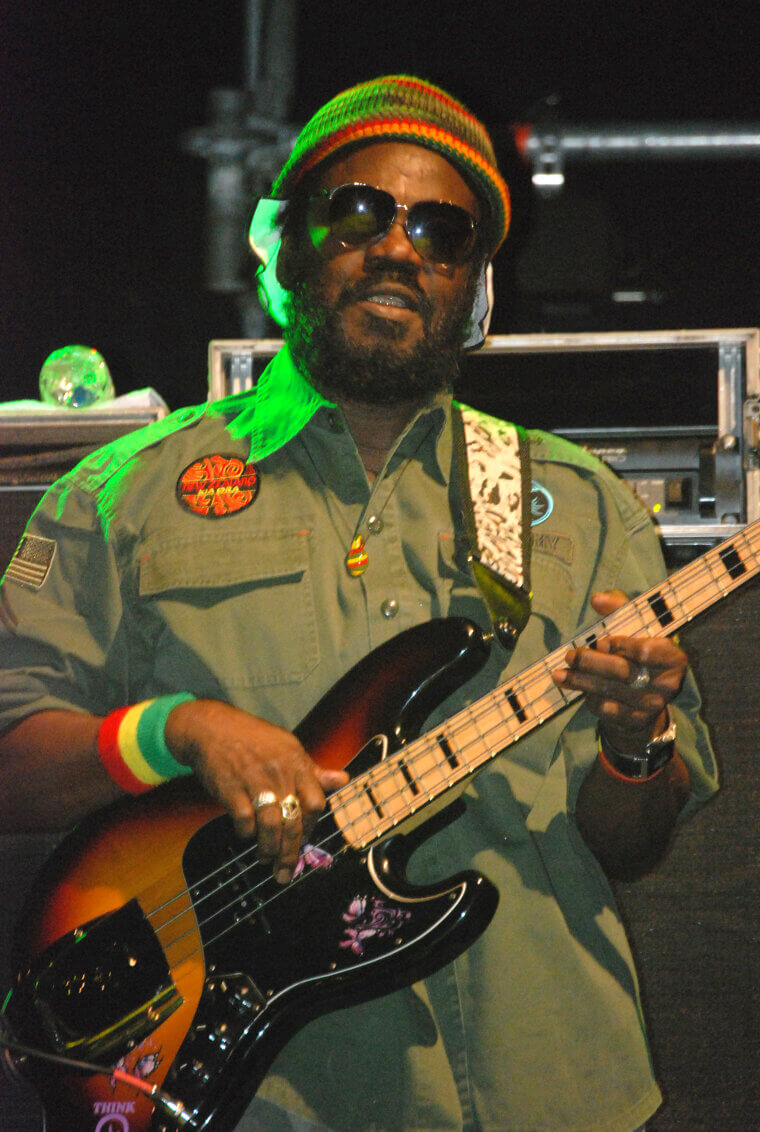
His innovative approach to arranging and producing helped elevate the music from local sound systems to international prominence. He reportedly built his own amplifiers and speaker cabinets to handle the extreme low frequencies required for his revolutionary playing style.
Tina Weymouth (Talking Heads) - The Minimalist Groove Pioneer of New Wave
Tina Weymouth brought a refreshing, self-taught creativity to the bass that perfectly suited the quirky, nervous energy of Talking Heads. Her playing was characterized by a brilliant use of space, often relying on repetitive, bouncing ostinatos that drew heavy inspiration from funk and early hip-hop. She eschewed traditional rock clichés in favor of clean, staccato notes that interlocked flawlessly with the band's polyrhythmic percussion. Weymouth proved that you didn't need flashy technique to create bass lines that were undeniably catchy and endlessly danceable.
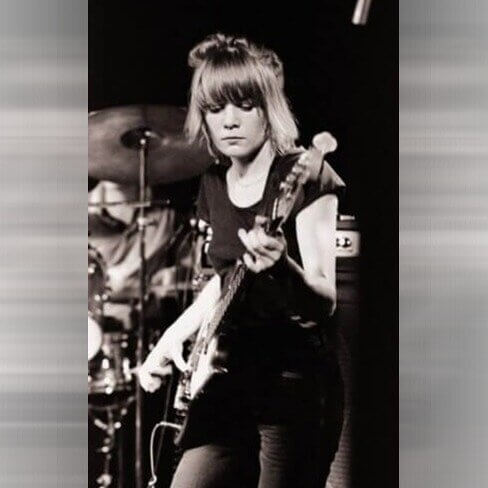
Her iconic lines served as the undeniable backbone for some of the most innovative pop music of the late seventies and eighties. She reportedly developed her unique fingerstyle technique simply out of necessity, resulting in a sound that was entirely her own.
Charles Mingus (Jazz Legend) — Deceased - The Volatile Genius of Jazz Composition
Charles Mingus was a towering figure in jazz, renowned equally for his ferocious bass playing and his groundbreaking, complex compositions. His instrumental technique was astonishingly powerful, marked by a percussive attack and a relentless swing that pushed his ensembles to their absolute limits. He viewed the bass not just as a rhythmic timekeeper, but as a fully expressive solo instrument capable of conveying deep emotional turmoil and fierce joy. Mingus frequently utilized aggressive plucking and sliding techniques to extract a wide array of sounds from his upright bass.
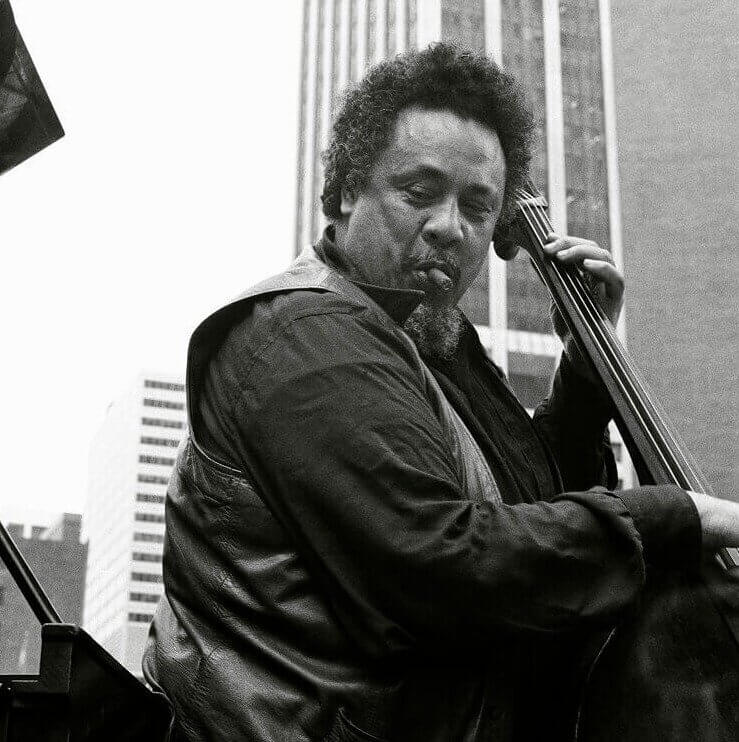
His demanding leadership style and fiery temperament were legendary, often resulting in notoriously intense live performances. He reportedly expected absolute perfection from his bandmates, driving them to match his own unparalleled level of improvisational brilliance.
Charlie Haden (Ornette Coleman Quartet) — Deceased - The Lyrical Pioneer of Free Jazz Bass
Charlie Haden revolutionized the role of the bass in jazz by abandoning strict chord changes in favor of open, melodic improvisation. His warm, resonant tone and deeply intuitive sense of harmony allowed him to anchor the most avant-garde musical explorations without ever sounding chaotic. Haden possessed a rare gift for playing the exact right note at the perfect time, demonstrating a profound understanding of space and silence. His playing was heavily influenced by the folk and country music of his youth, bringing a deeply soulful Americana quality to his jazz improvisations.
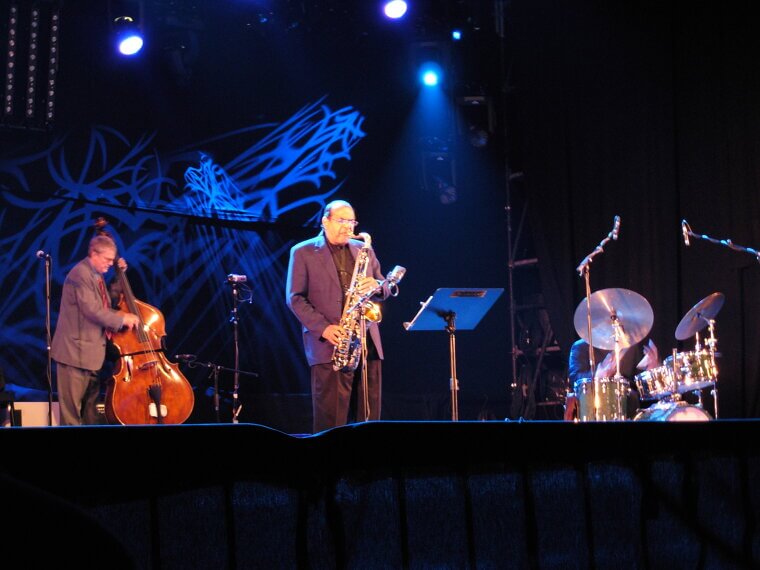
He spent his career championing social justice and musical freedom, collaborating with a staggering array of international artists. He reportedly believed that music should always strive to elevate the human spirit, a philosophy evident in every note he played.
John Myung (Dream Theater) - The Quiet Virtuoso of Progressive Metal
John Myung is celebrated for his jaw-dropping technical prowess and his ability to execute mind-bendingly complex passages with seemingly effortless precision. As a founding member of Dream Theater, he has spent decades navigating dizzying time signatures and lightning-fast unison runs alongside his fellow virtuosos. His playing requires immense stamina and unparalleled finger dexterity, often utilizing six-string basses to cover an incredibly wide melodic range. Myung is a master of blending classical music techniques with the sheer aggression and power of modern heavy metal.
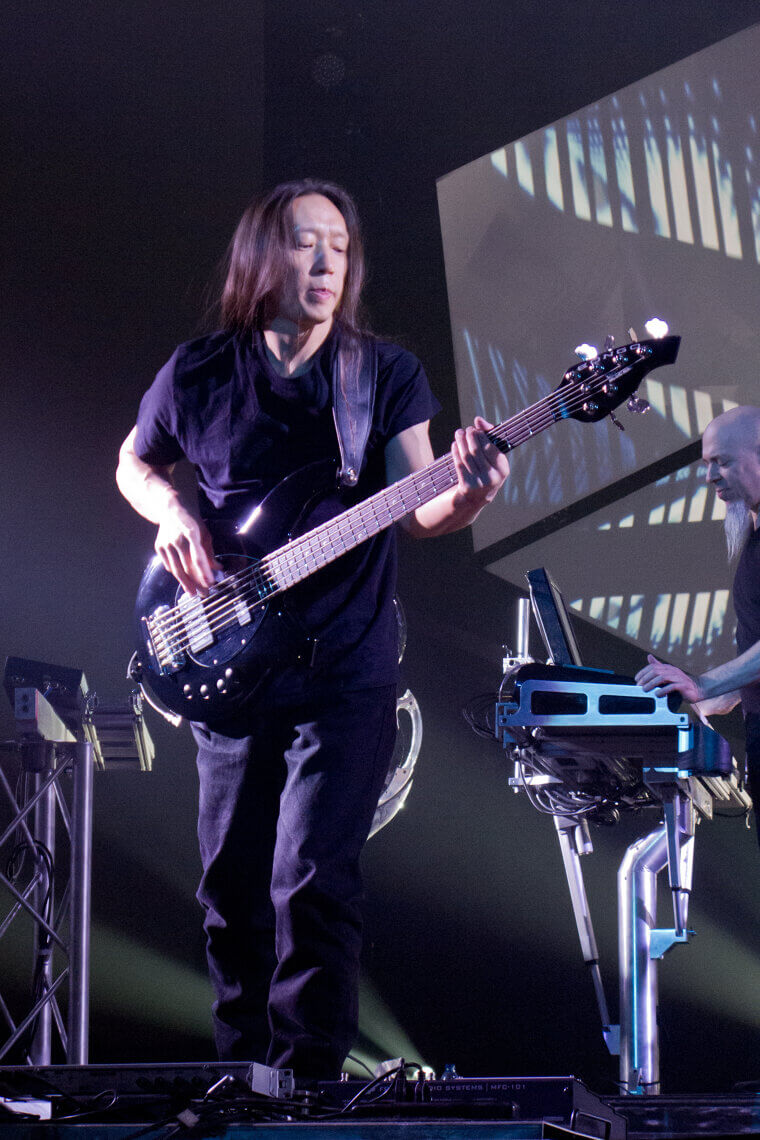
Despite his immense talent, he maintains a famously mysterious and reserved stage presence, letting his spectacular playing do all the talking. He reportedly practices for countless hours every single day to maintain his flawless technique and continue pushing the boundaries of progressive music.
Justin Chancellor (Tool) - The Atmospheric Architect of Alternative Metal
Justin Chancellor brought a lush, cinematic quality to Tool's sound, utilizing an array of effects pedals to transform his bass into a textural powerhouse. His playing frequently employs intricate picking patterns and heavy rhythmic syncopation, creating a hypnotic, swirling foundation for the band's extended, progressive epics. Chancellor is a master of using modulation and delay to craft tones that blur the line between bass and lead guitar. He often utilizes a highly aggressive picking technique that yields a sharp, metallic clank, cutting perfectly through the dense musical arrangements.
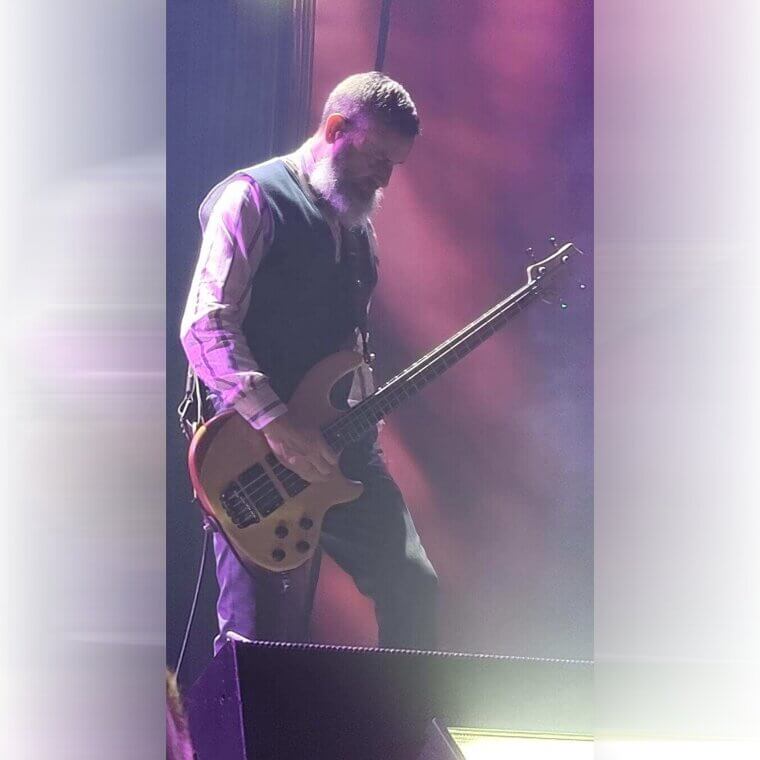
His ability to lock in with the band's complex polyrhythms while maintaining a strong melodic identity is truly remarkable. He reportedly spends extensive time experimenting with different gear combinations to achieve his uniquely immersive and otherworldly soundscapes.
Pino Palladino (Session Legend, The Who, D'Angelo) - The Ultimate Chameleon of the Low End
Pino Palladino is widely regarded as one of the most versatile and sought-after session bassists in the history of recorded music. He first gained fame for his incredibly expressive fretless playing in the eighties, bringing a vocal-like quality to massive pop hits. Palladino later completely reinvented himself, adopting a raw, laid-back groove that became the defining sound of modern neo-soul and R&B. His impeccable timing and deep understanding of harmony allow him to seamlessly adapt to virtually any musical genre or artist.
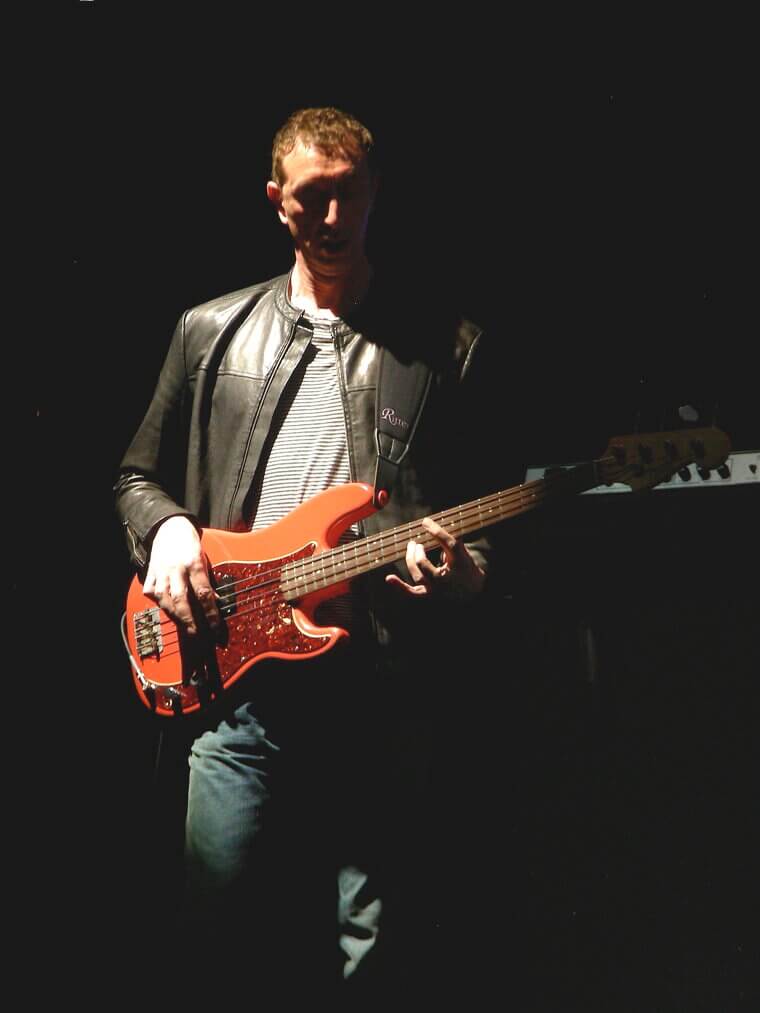
Whether playing arenas with legendary rock bands or laying down delicate grooves in the studio, his feel remains totally unmatched. He reportedly possesses an uncanny ability to hear exactly what a song needs on the very first listen, making him a producer's dream collaborator.
Tim Commerford (Rage Against the Machine, Audioslave) - The Explosive Engine of Rap-Metal
Tim Commerford provided the massive, distorted muscle that drove some of the most politically charged rock music of the nineties. His tone is famously aggressive and punchy, locking in flawlessly with heavy hip-hop beats to create an undeniably powerful groove. Commerford frequently utilizes a fingerstyle technique that hits the strings with incredible force, resulting in a percussive clack that defines his signature sound. His bass lines are often built around heavily syncopated, repetitive riffs that serve as the driving force behind the band's explosive anthems.
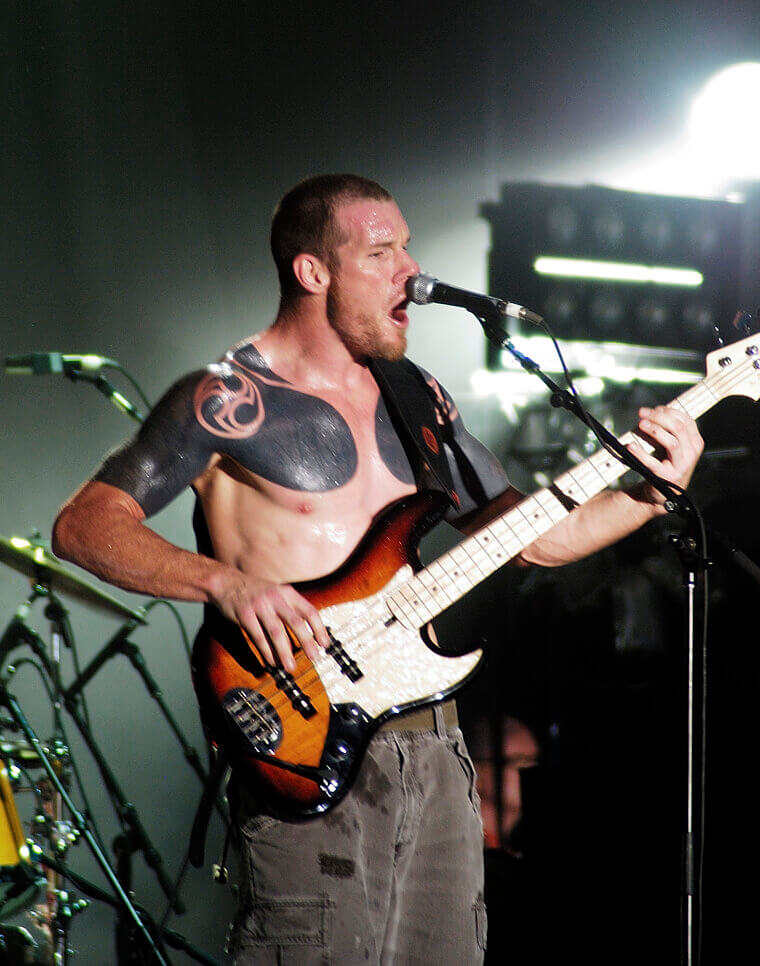
His commanding stage presence and heavily tattooed physique perfectly matched the confrontational nature of the music he helped create. He reportedly builds and modifies his own effects pedals to achieve his notoriously thick and grinding bass tone.
Phil Lesh (Grateful Dead) — Deceased - The Improvisational Pioneer of Psychedelic Rock
Phil Lesh completely redefined the role of the bass in a rock context, treating it as a lead instrument capable of endless melodic exploration. His playing was heavily influenced by classical counterpoint and avant-garde jazz, constantly weaving intricate, improvised lines around the guitars. Lesh rarely played traditional, repetitive bass patterns, instead opting to create fluid, ever-changing melodies that gave the band's extensive jams their unique flavor. His massive, custom-built sound system allowed his articulate, rumbling tone to be heard clearly even in massive outdoor stadiums.
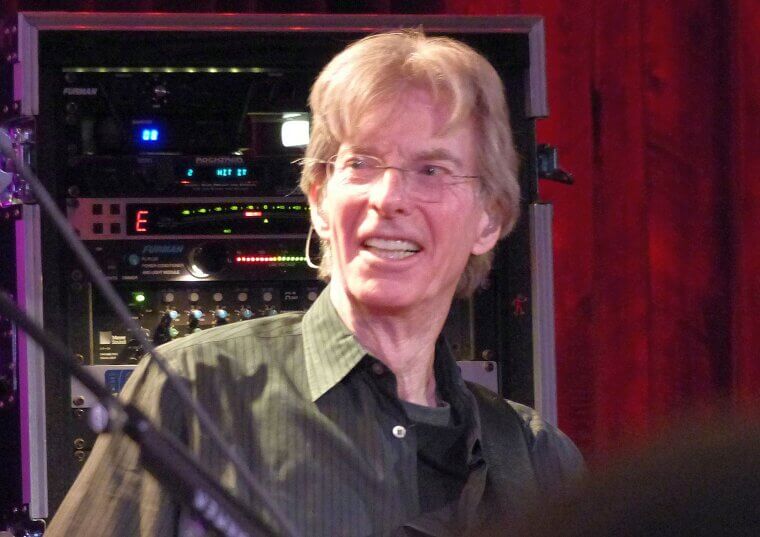
He was a crucial intellectual force within the band, helping to steer their musical direction into uncharted territories. He reportedly viewed every live performance as a unique musical conversation, constantly reacting and adapting to the choices of his fellow musicians in real-time.
Donald "Duck" Dunn (Booker T. & the M. G. 's, Session Legend) — Deceased - The Soulful Bedrock of Stax Records
Donald Dunn provided the essential, deep-pocket groove for some of the most legendary soul and R&B recordings of the 1960s. His playing was characterized by a warm, round tone and an impeccable sense of time that effortlessly propelled the music forward without ever overcomplicating things. Dunn possessed a remarkable ability to craft bass lines that were instantly memorable yet perfectly supportive of the lead vocalists. He famously used a flatwound-strung bass and a heavy right-hand attack to achieve his signature punchy, vintage sound.
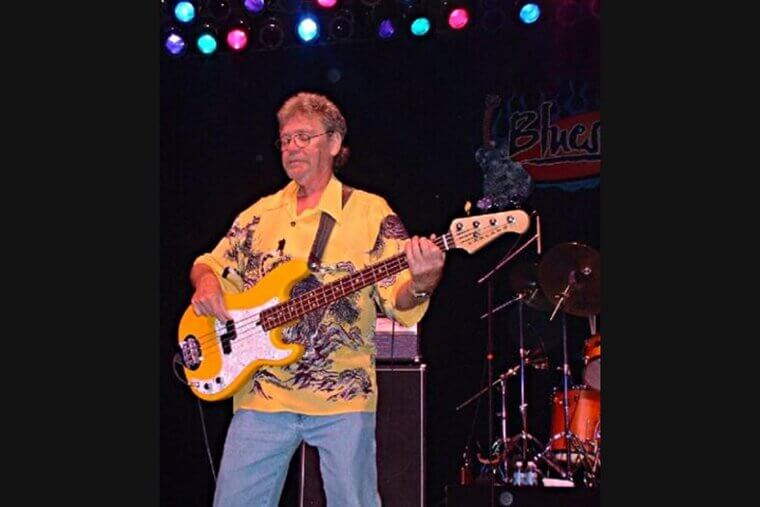
His contributions as a session player helped define the gritty, authentic sound of Southern soul music. He reportedly played entirely by ear, relying on his incredible instincts and deep musical vocabulary to find the perfect groove for any given session.
Jack Casady (Jefferson Airplane, Hot Tuna) - The Heavy-Toned Pioneer of Psychedelic Blues
Jack Casady brought a booming, exploratory approach to the bass that became a hallmark of the San Francisco psychedelic rock sound. His playing seamlessly blended the driving energy of rock and roll with the improvisational freedom of jazz and the raw emotion of traditional blues. Casady favored hollow-body basses that produced a massive, resonant tone, often driving his amplifiers into beautiful, natural distortion. He was known for playing intricate, wandering counter-melodies that constantly interacted with the lead guitar rather than simply holding down the root notes.
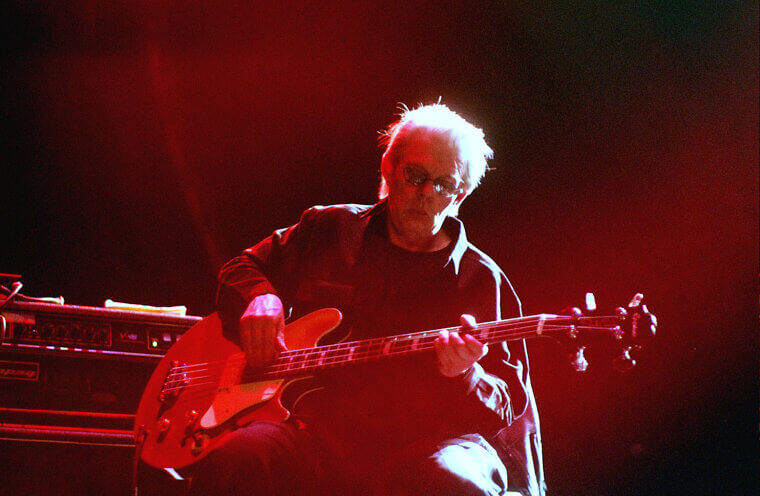
His dynamic performances helped elevate his band's extended live jams into legendary musical journeys. He reportedly spent years modifying his instruments and electronics to achieve a specific, harmonically rich tone that continues to influence players today.
Lemmy Kilmister (Motörhead) — Deceased - The Relentless Warlord of Heavy Metal Bass
Lemmy Kilmister completely shattered conventional ideas of bass playing, wielding his instrument like a rhythm guitar to create a deafening wall of sound. His signature style involved aggressive strumming of chords through heavily distorted guitar amplifiers, resulting in a gritty, mid-heavy roar that became instantly iconic. Lemmy's playing was relentless and driving, providing the furious motor that propelled his band's high-speed, punk-infused brand of heavy metal. He famously positioned his microphone unusually high, forcing him to sing with his head tilted back in a uniquely commanding posture.
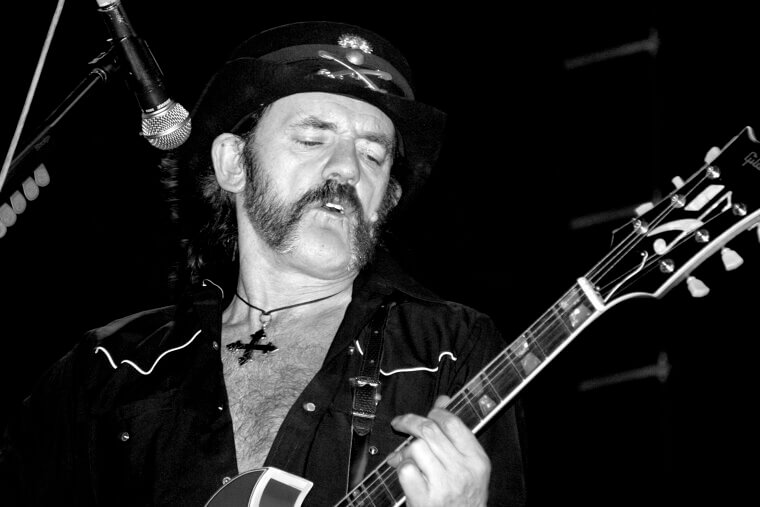
His uncompromising attitude and grueling tour schedule made him a universally respected figure across all genres of heavy music. He reportedly refused to ever change his playing style or tone, remaining fiercely dedicated to his distinct sonic vision until his passing.
Steve Harris (Iron Maiden) - The Galloping Architect of British Heavy Metal
Steve Harris is the primary songwriter and driving rhythmic force behind one of the most successful heavy metal bands in history. His instantly recognizable galloping fingerstyle technique provides the relentless momentum for the band's epic, historically themed anthems. Harris utilizes a fiercely aggressive attack, striking the strings with such force that the percussive clack against the frets has become an integral part of his tone. He frequently employs complex time changes and intricate, progressive song structures that showcase his formidable compositional skills.
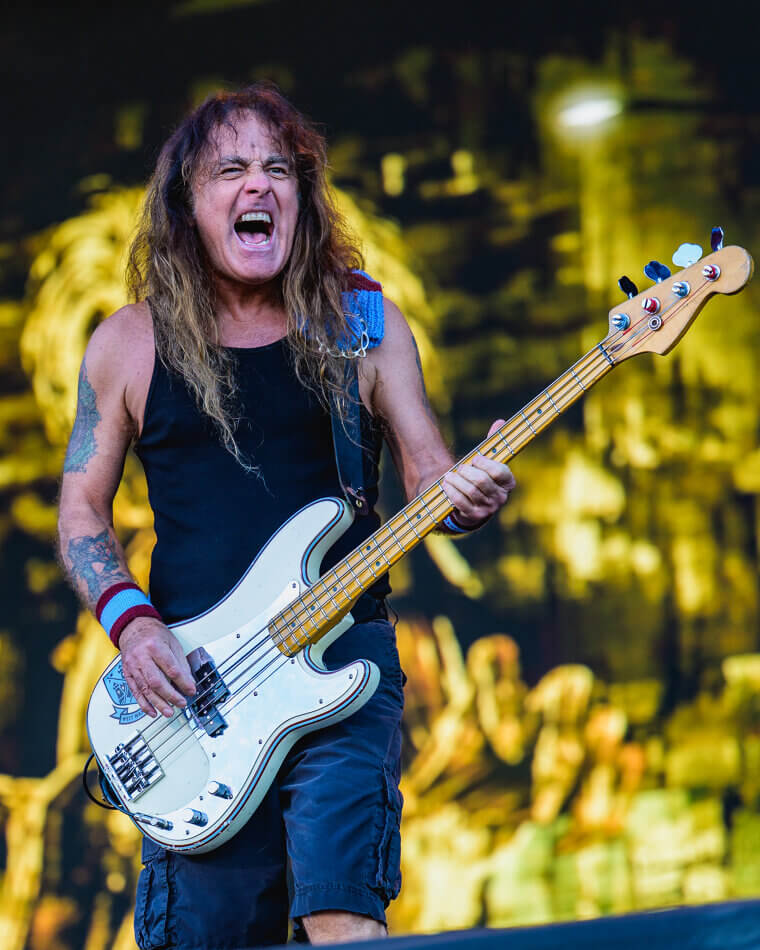
His tireless stage energy and passionate dedication to his fans have made him a true legend in the metal community. He reportedly acts as the band's strict musical director, overseeing every aspect of their recording and grueling international touring operations.
Geezer Butler (Black Sabbath) - The Doom-Laden Pioneer of Heavy Metal Bass
Geezer Butler provided the dark, sludgy foundation that essentially birthed the entire genre of heavy metal music in the late sixties. His heavy, blues-based riffing perfectly matched the ominous, distorted guitars, creating a massive, terrifying sound that shocked the musical establishment. Butler frequently utilized aggressive finger-plucking and deep string bending to add a distinctly expressive, almost vocal quality to his sinister bass lines. He was also the band's primary lyricist, penning occult-themed and socially conscious words that perfectly complemented their doomy aesthetic.
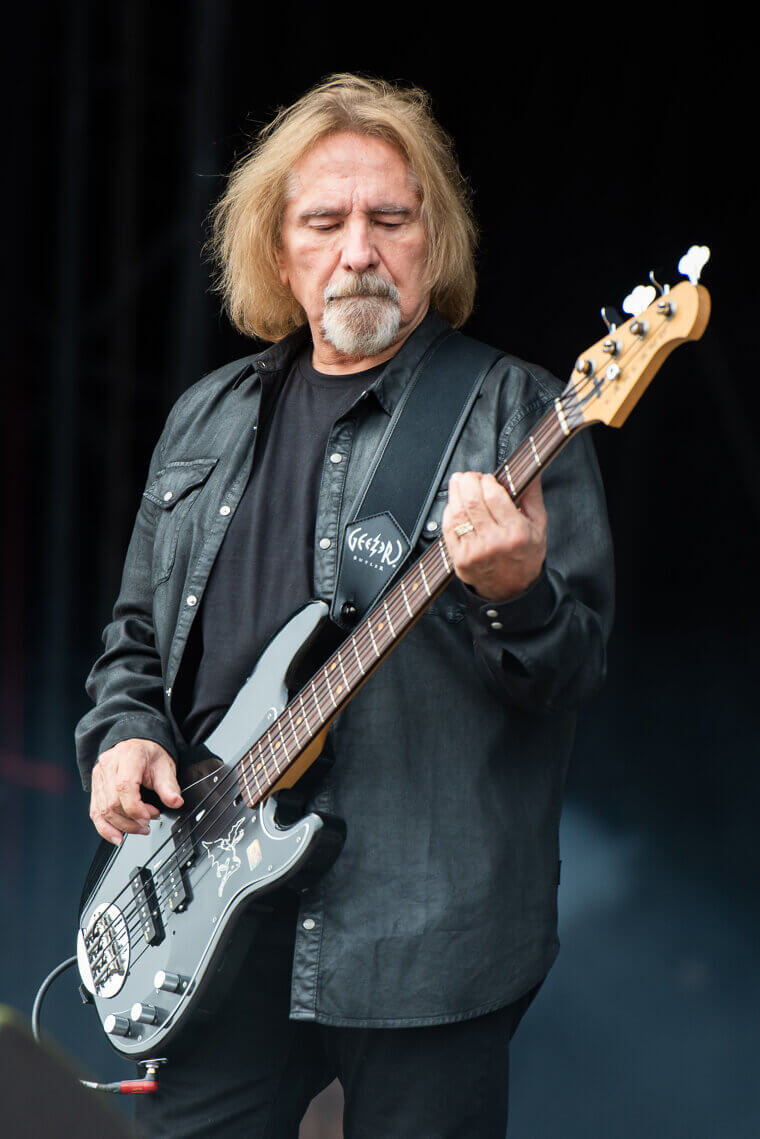
His pioneering use of wah-wah pedals and other effects on the bass opened up entirely new sonic possibilities for the instrument in a heavy rock context. He reportedly drew heavy inspiration from classic literature and horror films, infusing his playing with a profound sense of theatrical dread.
Cliff Burton (Metallica) — Deceased - The Classically-Trained Innovator of Thrash Metal
Cliff Burton brought an unprecedented level of musical sophistication and technical brilliance to the early days of thrash metal. His playing was heavily influenced by classical composers and progressive rock, introducing complex harmonies and melodic soloing to a genre previously known for raw aggression. Burton famously used heavy distortion and a wah-wah pedal to create searing, guitar-like lead lines that completely redefined the role of the bass in heavy music. His relentless headbanging and wild stage presence perfectly embodied the fierce energy of the Bay Area thrash scene.
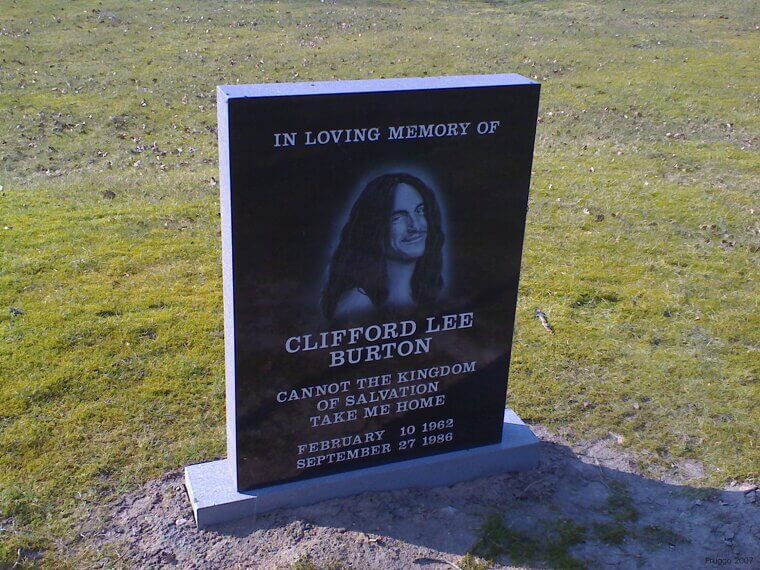
Tragically, his life was cut short, but his incredible musical contributions continue to inspire generations of heavy metal musicians. He reportedly insisted on pushing the band's musical boundaries, constantly introducing them to new theories and unconventional playing techniques.
Marcus Miller (Miles Davis, Solo) - The Slap-Bass Virtuoso of Modern Jazz Fusion
Marcus Miller is a titan of contemporary jazz and R&B, renowned for his incredibly crisp, articulate, and fiercely funky slap technique. He possesses a jaw-dropping level of technical facility, seamlessly blending lightning-fast thumb strikes with complex fingerstyle runs and deeply expressive melodies. Miller served as a crucial collaborator and producer for jazz royalty, helping to modernize the genre with his sophisticated arrangements and state-of-the-art production sensibilities. His signature tone is bright and punchy, utilizing active electronics to ensure every nuance of his playing cuts through the mix.
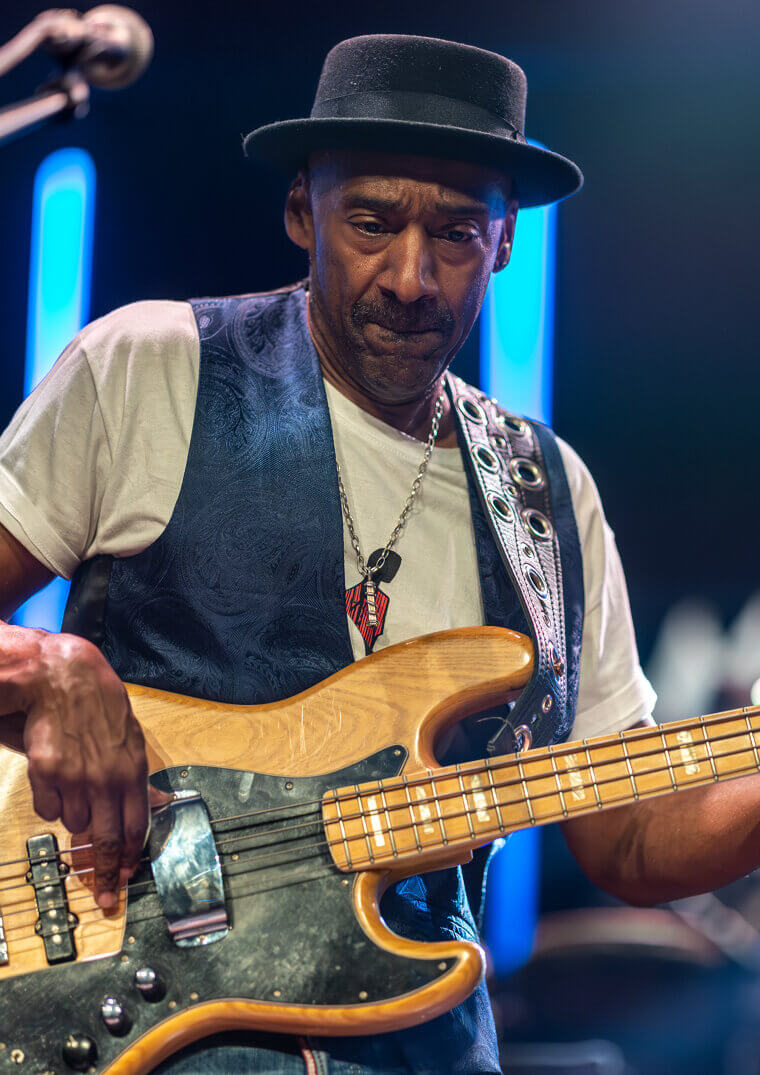
Beyond his instrumental prowess, he is a highly respected composer who has scored numerous films and penned hits for major pop artists. He reportedly approaches the bass as a complete orchestral instrument, capable of carrying both the deep groove and the primary melody simultaneously.
Billy Sheehan (Mr. Big, David Lee Roth) - The Shred-Bass Pioneer of Hard Rock
Billy Sheehan essentially invented the concept of shred guitar applied to the bass, utilizing an array of staggering techniques to achieve dizzying speeds. His playing incorporates extensive two-handed tapping, rapid-fire three-finger plucking, and wide vibrato, allowing him to match pace with the world's fastest guitarists. Sheehan frequently splits his signal into multiple amplifiers, utilizing heavy distortion on the high frequencies while maintaining a clean, solid low end for maximum impact. He is a master of creating incredibly complex, unison runs that drop jaws at rock arenas around the globe.
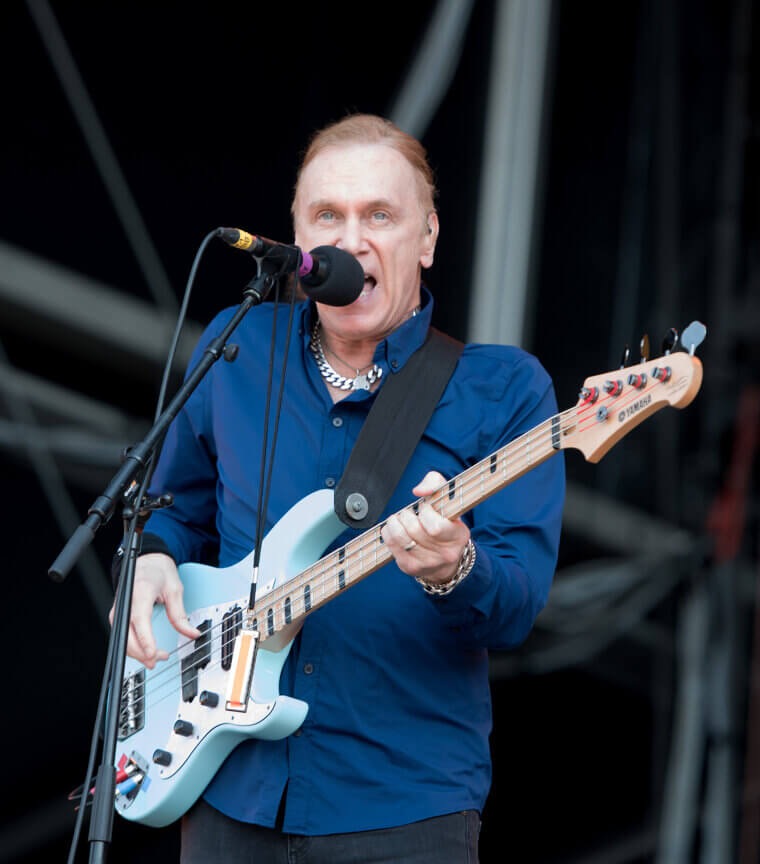
Despite his overwhelming technical abilities, he remains deeply committed to providing a solid rock groove when the song requires it. He reportedly spends hours daily maintaining his calluses and refining his groundbreaking mechanics to ensure flawless live execution.
Tony Levin (King Crimson, Peter Gabriel) - The Progressive Pioneer of the Chapman Stick
Tony Levin is a relentlessly innovative musician known for his masterful use of unconventional instruments and striking, percussive techniques. He popularized the Chapman Stick, a multi-stringed instrument played entirely by tapping, which allowed him to cover both bass and guitar parts simultaneously. Levin also famously invented 'Funk Fingers,' modified drumsticks attached to his fingers that produce a sharply aggressive, percussive attack on the strings. His playing is characterized by a deep, resonant groove and a willingness to constantly experiment with strange, avant-garde textures.
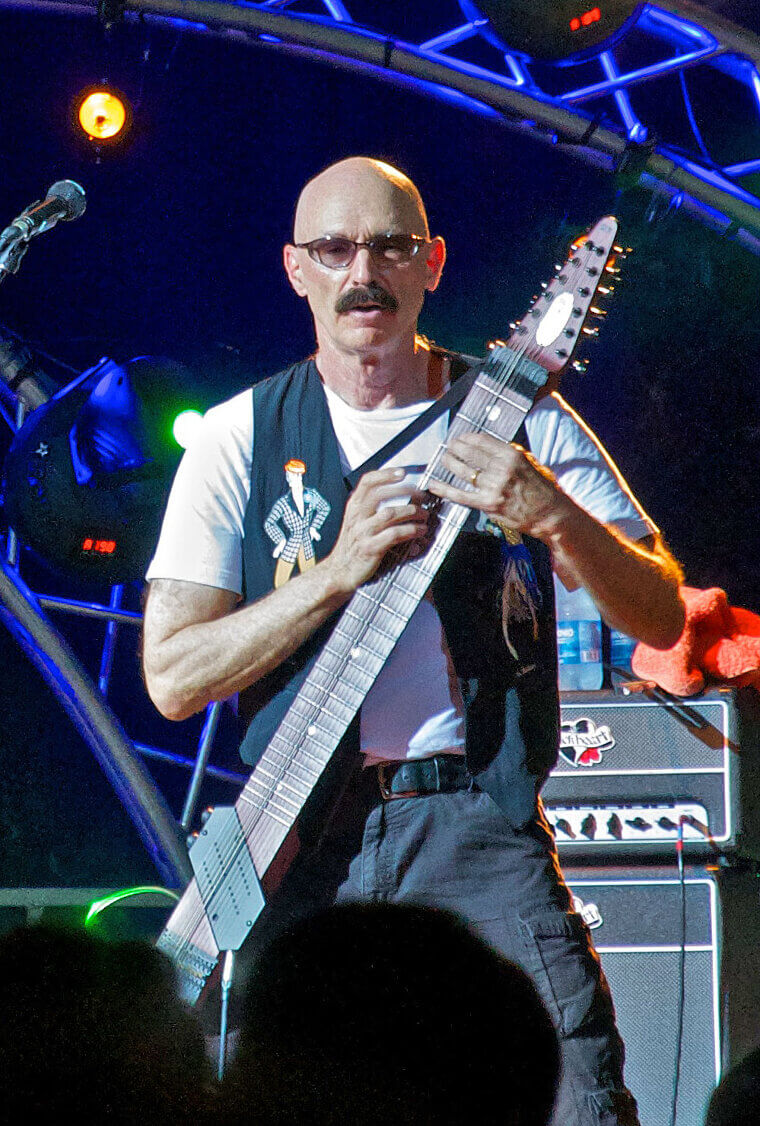
His extensive session work has graced countless iconic pop and progressive rock albums, making his distinct sound instantly recognizable to millions. He reportedly embraces technology and new gear with open arms, constantly searching for fresh ways to expand the sonic vocabulary of his instrument.
Thundercat (Solo, Kendrick Lamar) - The Virtuosic Bridge Between Jazz and Hip-Hop
Thundercat has brought a dizzying level of jazz fusion virtuosity to the forefront of modern hip-hop and alternative R&B. Playing massive, six-string basses, he executes incredibly fast, complex chordal movements and blistering solos that defy conventional categorization. His tone often features heavy use of envelope filters and modulation, creating a squelchy, spaced-out sound that perfectly complements his falsetto vocals and surreal lyrical themes. Thundercat possesses a deep, undeniable groove that seamlessly anchors his most chaotic and exploratory musical flights.
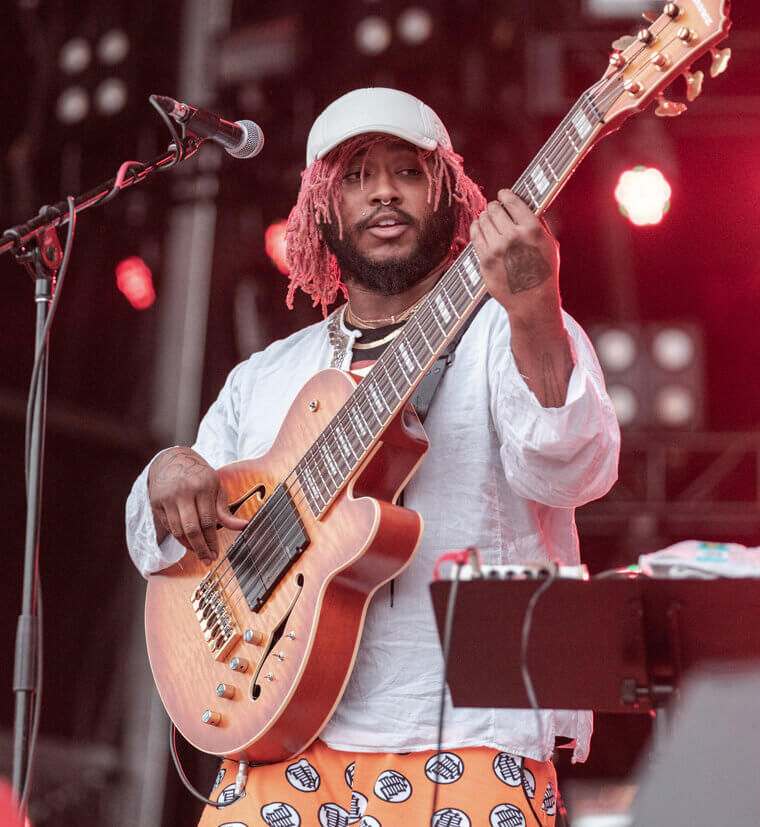
His crucial contributions to landmark hip-hop albums have helped introduce complex jazz harmony to a massive new generation of listeners. He reportedly draws heavy inspiration from video game soundtracks and anime, infusing his spectacular musicianship with a playful, wildly eccentric personality.
Stanley Clarke (Return to Forever) - The Acoustic and Electric Titan of Jazz Fusion
Stanley Clarke was instrumental in bringing the electric bass to the forefront of the jazz fusion movement in the 1970s as a true solo instrument. He revolutionized slap bass technique, utilizing a fierce, aggressive approach that allowed him to play with the speed and dexterity of a horn player. Clarke is equally masterful on the acoustic upright bass, demonstrating profound classical technique and a gorgeous, woody tone that remains universally respected. His compositions often feature complex, heavily syncopated unison lines that require staggering precision to execute.
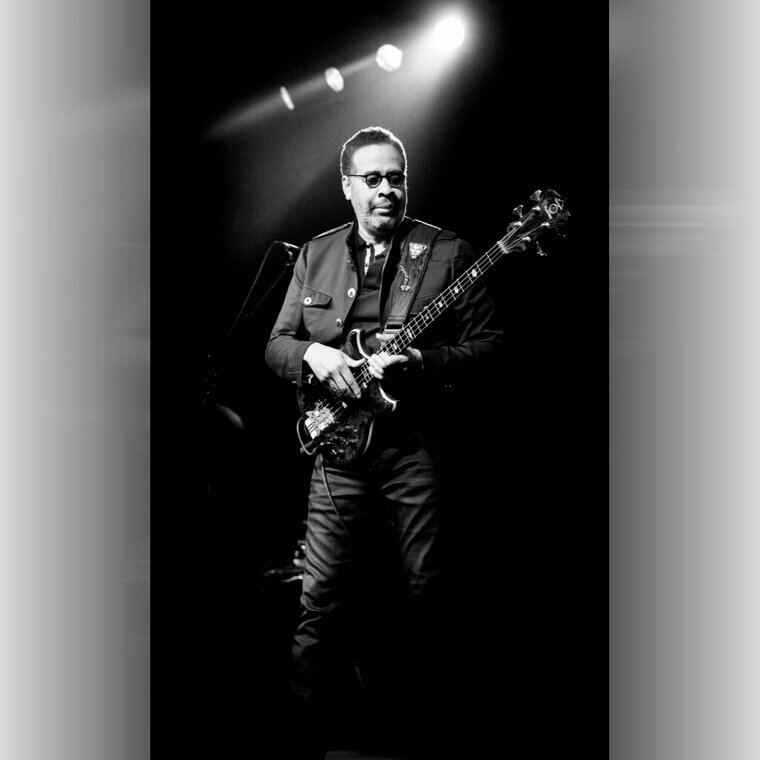
As a prolific film composer, he has brought his sophisticated musical sensibilities to the cinematic world with great success. He reportedly practices relentlessly on both acoustic and electric instruments to maintain his unparalleled level of dual mastery.
Chris Squire (Yes) — Deceased - The Aggressively Melodic Powerhouse of Progressive Rock
Chris Squire completely redefined the role of the bass in progressive rock, adopting a bright, grinding tone that commanded the center of the mix. He famously used a pick and fresh roundwound strings to achieve his signature aggressive clank, which brilliantly complemented the band's complex vocal harmonies and soaring keyboards. Squire's lines were incredibly intricate and melodic, often serving as the primary musical hook rather than simply outlining the chord progression. He was a master of using effects like tremolo and chorus to add massive depth and texture to his already huge sound.
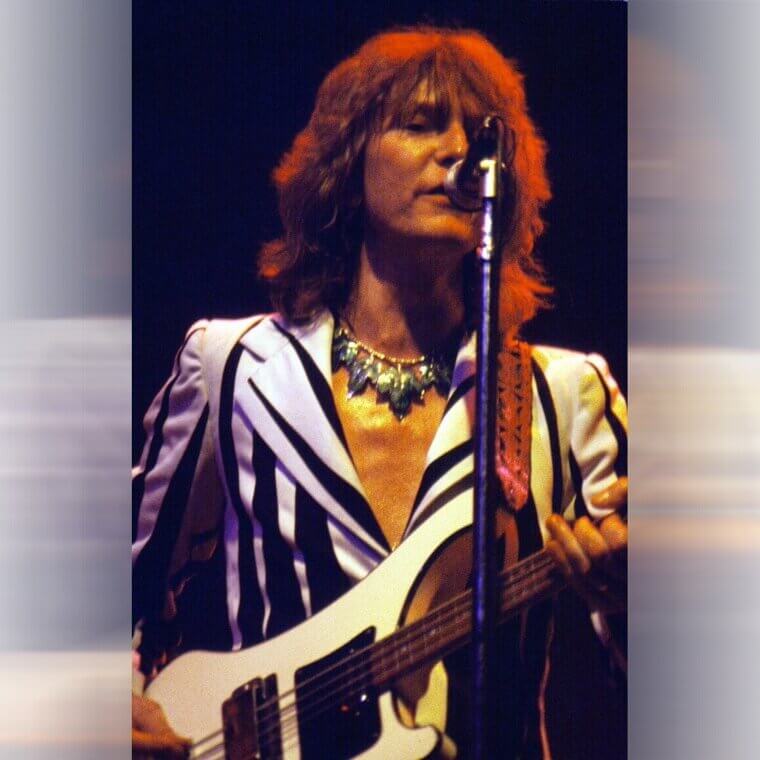
He was the only consistent member of his legendary band throughout their entire chaotic history, serving as their unshakable musical anchor. He reportedly spent endless hours in the studio layering multiple amplifiers to perfectly craft his revolutionary, biting tone.
Jack Bruce (Cream) — Deceased - The Improvisational Force of Classic Blues-Rock
Jack Bruce was a fiercely talented musician who brought a heavy jazz influence and a soaring vocal ability to the foundational era of hard rock. His playing in his famous power trio was constantly busy and exploratory, constantly pushing his bandmates into thrilling, uncharted improvisational territory. Bruce favored short-scale basses pushed through heavily overdriven amplifiers, resulting in a thick, singing tone that perfectly matched the massive volume of the era. He was a master of playing complex, tumbling riffs that drove the music forward with an unstoppable, urgent energy.
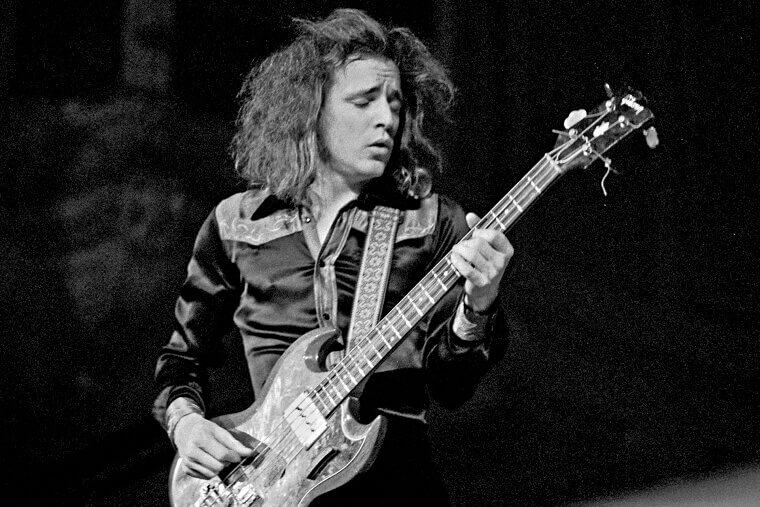
As a prolific songwriter, he penned some of the most enduring and recognizable riffs in the history of rock music. He reportedly viewed his instrument as an equal voice in the band, refusing to ever be relegated to the background.
Victor Wooten (Béla Fleck and the Flecktones) - The Philosophical Guru of Extreme Bass Technique
Victor Wooten is widely celebrated as one of the most technically gifted and uniquely innovative bassists to ever walk the earth. He popularized the double-thumbing technique, allowing him to strike the strings with lightning speed in both directions like a heavy metal guitarist's pick. Wooten's playing incorporates jaw-dropping rhythmic complexity, lush chordal tapping, and a deeply funky pocket that defies logic and human anatomy. Despite his overwhelming chops, his music remains incredibly joyous, accessible, and deeply rooted in a profound sense of groove.
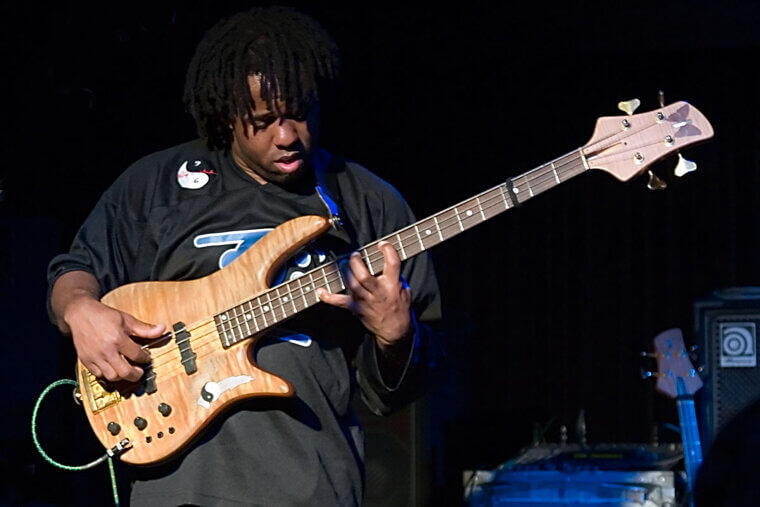
He is a highly respected educator, often using nature and philosophy to explain complex musical concepts at his popular camps. He reportedly believes that music is a fundamental human language, and technique is simply a tool used to express deeper emotional truths.
Bootsy Collins (Parliament-Funkadelic, James Brown) - The Flamboyant Superstar of Psychedelic Funk
Bootsy Collins established the absolute gold standard for heavy, deeply syncopated funk bass during his legendary tenure with the genre's greatest pioneers. His playing heavily utilizes a Mutron envelope filter, creating the iconic, squelchy 'space bass' sound that has been sampled by countless hip-hop producers. Collins is a master of 'The One,' ensuring that the first beat of every measure hits with an earth-shattering, undeniable force that forces crowds to dance. His heavily adorned, star-shaped basses and outrageous stage costumes perfectly matched his larger-than-life, cartoonish musical persona.
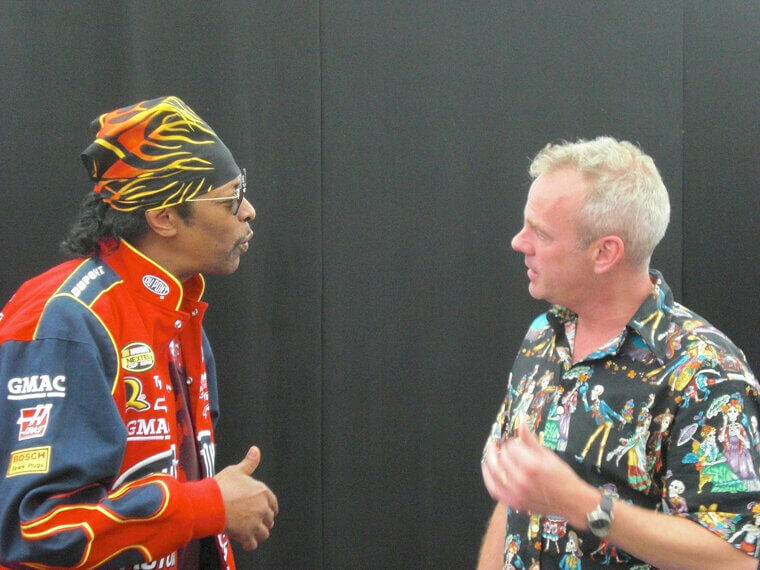
His infectious charisma and relentlessly joyful approach to the instrument have made him a beloved cultural icon across multiple generations. He reportedly learned his incredible rhythmic discipline directly from the hardest-working man in show business before taking funk to outer space.
Larry Graham (Sly and the Family Stone) - The Groundbreaking Inventor of the Slap Technique
Larry Graham is universally credited with inventing the slap-and-pop technique, a revolutionary percussive approach that forever altered the course of modern music. He developed the style simply to replace a missing drummer in his early bands, using his thumb to mimic the kick drum and his fingers for the snare. Graham's aggressive, thumping groove provided the joyous, undeniable engine for some of the most important and socially conscious funk anthems of the era. His heavy use of fuzz pedals later in his career created a massive, buzzing tone that influenced an entire generation of rock and funk players.
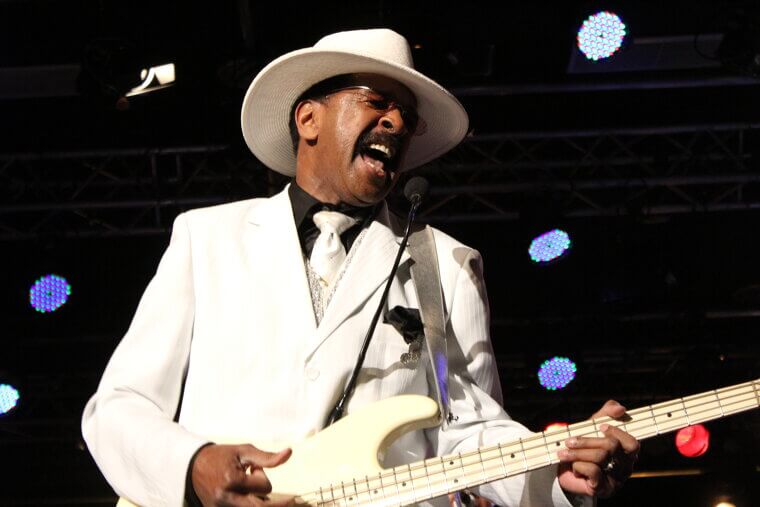
His charismatic stage presence and powerful baritone vocals made him a formidable frontman in his own right. He reportedly remains fiercely dedicated to the pure, driving funk sound that he single-handedly helped introduce to the world.
John Paul Jones (Led Zeppelin) - The Versatile Musical Genius of Hard Rock
John Paul Jones provided the immensely powerful and incredibly sophisticated foundation for the most legendary hard rock band of the 1970s. His deep background as a session arranger allowed him to bring a profound understanding of music theory and harmony to the band's heavy blues sound. Jones frequently locked into incredibly complex, funk-inspired grooves with his drummer, creating a massive, swaggering rhythm section that has never been duplicated. He was a master of restraint, knowing exactly when to play a simple, heavy root note and when to unleash a lightning-fast, melodic run.
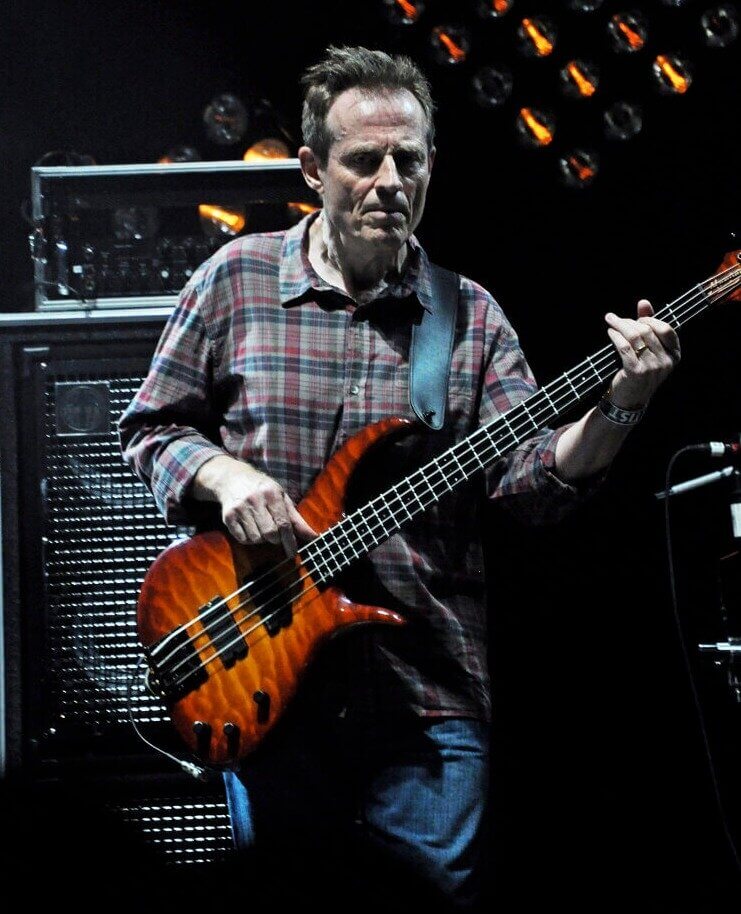
His multi-instrumental abilities on keyboards and mandolin were absolutely crucial in expanding the band's sonic palette beyond standard rock and roll. He reportedly preferred to stay out of the spotlight, quietly directing the musical flow of their legendary, sprawling live performances.
Les Claypool (Primus) - The Delightfully Bizarre Master of the Slap-Bass
Les Claypool took the instrument into completely uncharted, beautifully absurd territory with his dizzying array of unorthodox tapping, slapping, and strumming techniques. His playing is heavily characterized by lightning-fast flamenco-style rolls and aggressively percussive thumps that create a manic, incredibly dense rhythmic wall. Claypool seamlessly blends heavy funk, progressive rock, and avant-garde weirdness to create a musical genre that is entirely his own. He frequently utilizes heavily modified, multi-stringed instruments, including fretless basses that allow him to execute wild, sliding glissandos and microtonal bends.
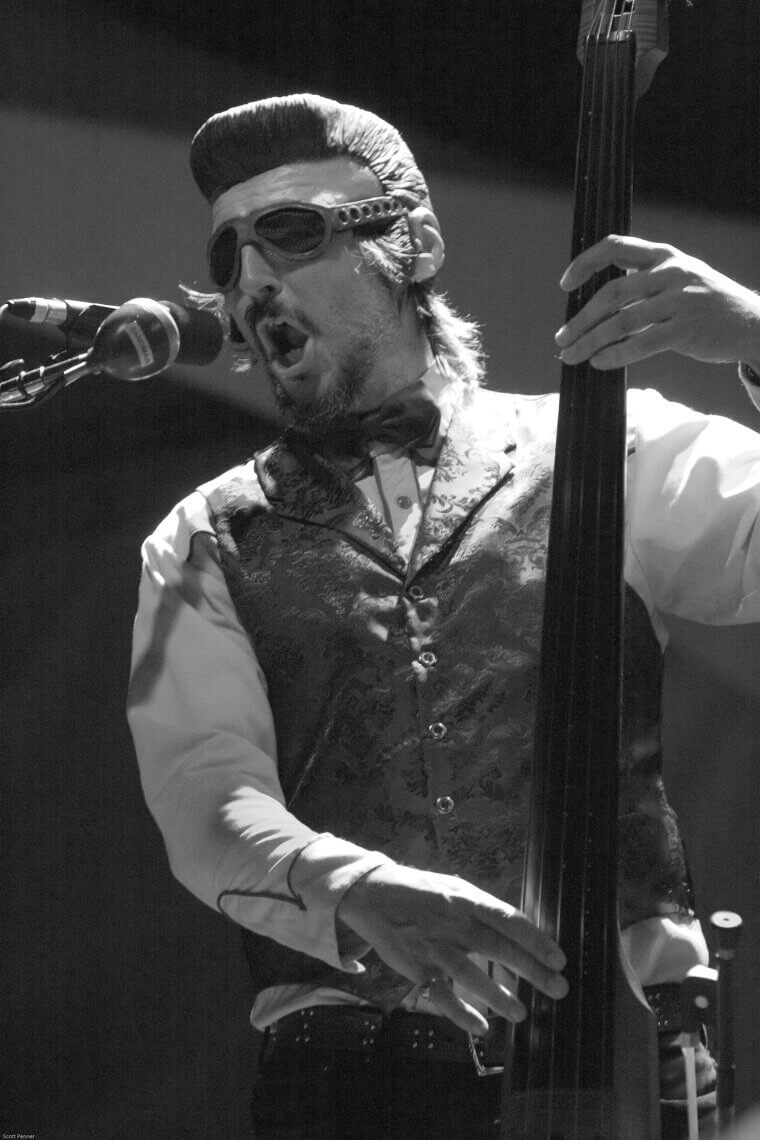
His surreal, cartoonish lyrical themes and nasal vocal delivery perfectly complement the quirky brilliance of his staggeringly difficult bass compositions. He reportedly insists on maintaining a fiercely independent artistic vision, constantly collaborating with a wide variety of experimental musicians across different genres.
Flea (Red Hot Chili Peppers) - The Kinetic Engine of Alternative Funk-Rock
Flea essentially defined the sound of alternative funk-rock in the 1990s with his aggressively fast slap technique and boundless physical energy. His early playing was characterized by a frantic, punk-infused aggression that hit the strings with staggering force and blistering speed. Over the decades, his style has matured beautifully, incorporating deep, soulful melodic sensibilities and a profound understanding of space and harmony. Flea's tone is instantly recognizable, typically featuring a bright, biting attack that cuts brilliantly through the mix while maintaining a massively thick low end.
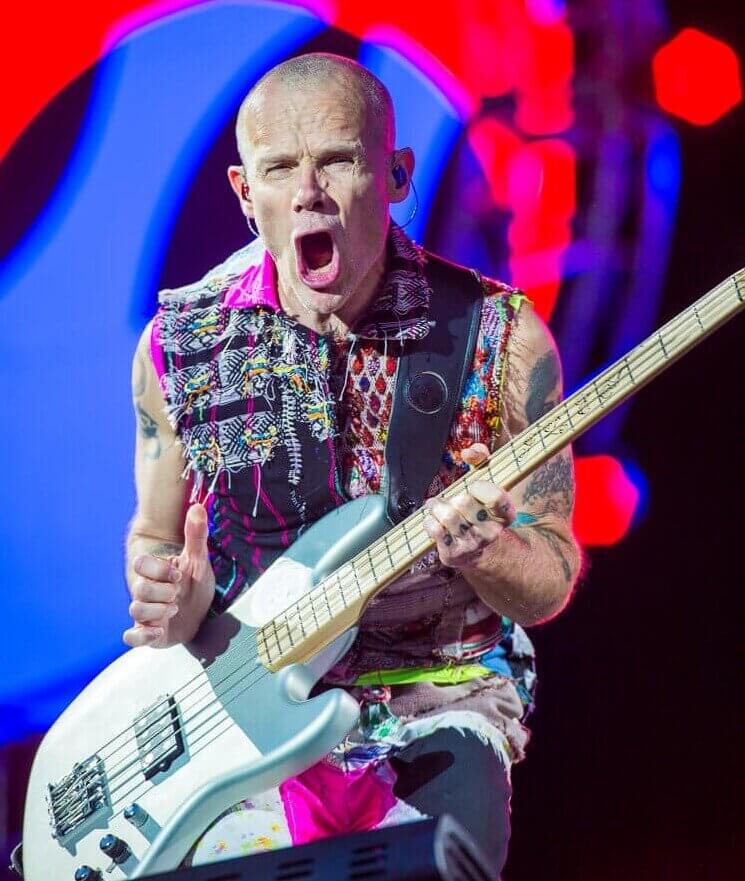
His deeply emotional connection to music is evident in every note he plays and his famously athletic, airborne stage performances. He reportedly studies music theory extensively, constantly striving to evolve his playing and bring new, sophisticated elements to his band's massive stadium anthems.
Geddy Lee (Rush) - The Multitasking Virtuoso of Progressive Rock
Geddy Lee accomplished the seemingly impossible task of playing incredibly complex, virtuosic bass lines while simultaneously singing lead vocals and triggering synthesizers. His playing is characterized by a blistering fingerstyle technique that rivals the speed and precision of the most accomplished shred guitarists. Lee favors a heavily overdriven, incredibly punchy tone that aggressively commands the high-midrange, filling out the sonic space in the famous power trio. He frequently utilizes complex time signatures and rapidly shifting musical sections, demonstrating an unbelievable level of stamina and concentration.
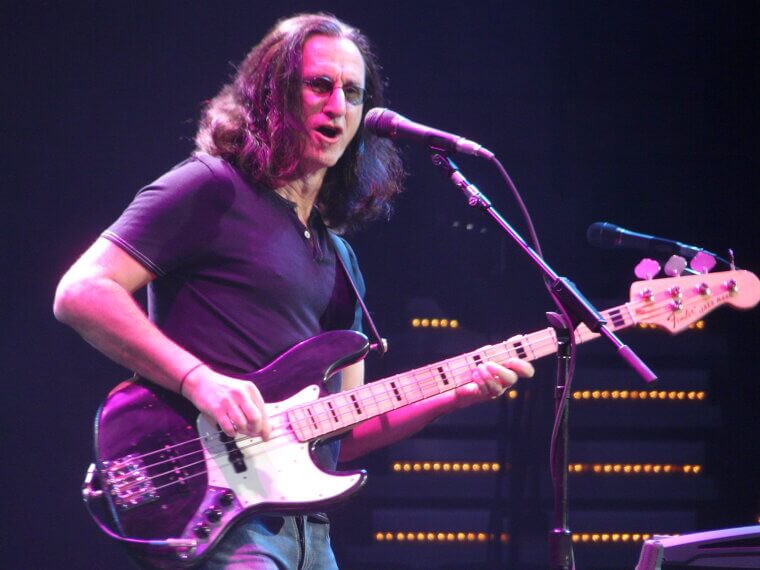
His melodic sensibilities often carry the primary hooks of the band's epic, sci-fi-tinged progressive rock masterpieces. He reportedly spends extensive time curating and studying vintage instruments, ensuring that his live tone remains as massive and articulate as his legendary studio recordings.
Paul McCartney (The Beatles) - The Ultimate Melodic Pioneer of the Electric Bass
Paul McCartney forever changed the way the instrument was perceived, transforming it from a simple background rhythm keeper into a prominent, heavily melodic voice. His incredibly inventive lines often functioned as secondary melodies, weaving beautiful, bouncing counterpoint beneath the band's legendary vocal harmonies. McCartney utilized a unique, pick-heavy technique and a notoriously warm, round tone that perfectly suited the incredible stylistic evolution of his legendary group. He possessed an uncanny ability to craft bass parts that were deeply sophisticated yet instantly hummable by casual listeners.
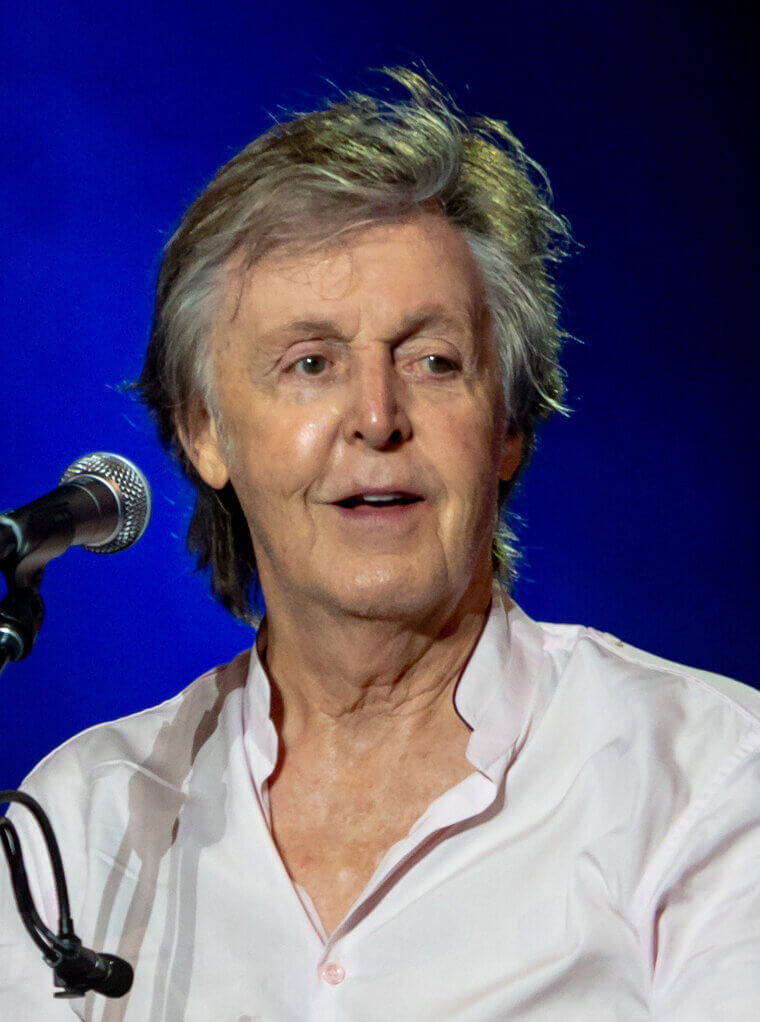
His pioneering work in the studio helped push the boundaries of recording technology, heavily influencing how the low end was captured on tape. He reportedly relied on his flawless musical intuition rather than formal training, creating a timeless, hugely influential vocabulary for pop and rock bassists.
John Entwistle (The Who) — Deceased - The Thunderous Inventor of Lead Bass
John Entwistle essentially invented the concept of 'lead bass,' playing with a staggering volume and dizzying speed that rivaled his band's frantic guitarist. He utilized a fiercely aggressive, typewriter-style finger-tapping technique that allowed him to execute blistering pentatonic runs and massive, rumbling chords. Entwistle famously split his signal into towering walls of amplifiers, creating a brilliantly distorted, incredibly bright 'treble-bass' tone that cut through the chaos of their legendary live shows. His stoic, motionless stage presence stood in hilarious contrast to the explosive sonic destruction he was constantly unleashing.
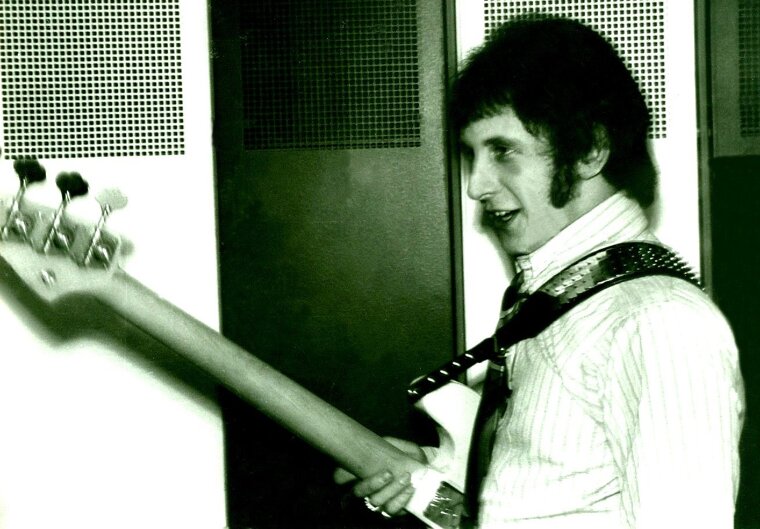
His incredibly complex, heavily overdriven solos established a completely new paradigm for what the instrument was capable of in a hard rock setting. He reportedly spent endless hours modifying his gear and designing custom instruments to perfectly accommodate his truly revolutionary, thunderous playing style.
Jaco Pastorius (Weather Report, Solo) — Deceased - The Revolutionary Genius of the Fretless Bass
Jaco Pastorius completely rewrote the rulebook for the electric bass, bringing an unprecedented level of harmonic sophistication and lyrical beauty to the fretless instrument. His signature tone was incredibly bright and singing, utilizing the bridge pickup and a fierce finger-style attack to achieve his legendary 'mwah' sound. Pastorius seamlessly blended dizzying bebop jazz lines, rich chordal harmonies, and heavily syncopated funk grooves into a style that remains entirely unmatched. He possessed a dazzling technique involving complex natural harmonics, creating bell-like melodies that expanded the instrument's range into the stratosphere.
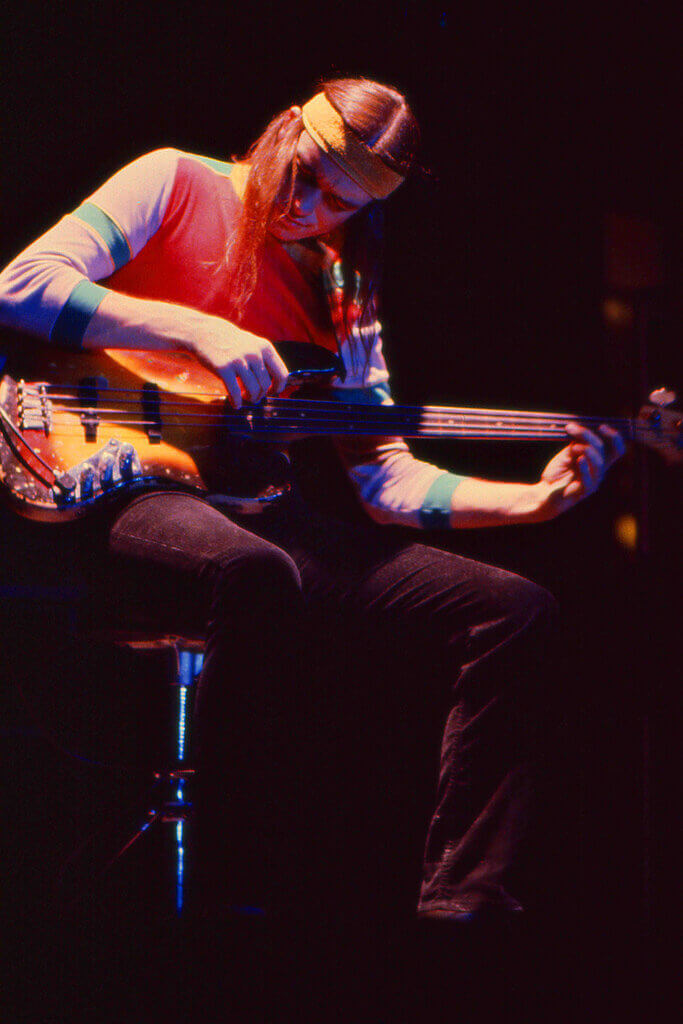
His flamboyant stage persona and undeniable swagger helped elevate the bass player to the status of a true, undisputed superstar. He reportedly approached the instrument with the fearless attitude of a horn player, forever changing the musical landscape before his tragic, untimely passing.